Проверка
Проверка
Проверка
Проверка
Проверка
Проверка
In the intricate world of industrial automation, where machinery operates with relentless precision, the margin for error is virtually zero. A single misstep in movement, an over-extension of an actuator, or an uncontrolled traverse can lead to catastrophic equipment failure, costly downtime, and significant safety hazards. This is where the unassuming yet critical component, the final limit switch, proves its indispensable value. Far more than a simple on/off trigger, a modern final limit switch is the definitive sentinel, providing the ultimate boundary control for mechanical systems.
The core function of a final limit switch is to detect the presence or absence of an object, or to monitor the extreme positions of moving parts. When a machine component—such as a robotic arm, a conveyor cart, or a elevator cabin—reaches its predetermined terminal point, it physically actuates the switch. This action sends a definitive electrical signal to the control system, commanding it to halt movement, reverse direction, or initiate the next sequence in a programmed operation. This hard-wired, physical intervention serves as the last line of defense, operating independently of higher-level software controls to prevent mechanical overtravel.
Consider a high-speed packaging line. A robotic palletizer arm stacks boxes with rhythmic accuracy. The final limit switches installed at the arm's rotational and extension limits ensure that every movement stays within its engineered physical envelope. Without them, a software glitch or encoder miscalibration could cause the arm to slam into its frame or attempt to move beyond its mechanical stops, resulting in immediate damage. Similarly, in overhead crane systems, final limit switches on the bridge and hoist travel paths are mandatory safety features. They prevent the crane from colliding with the runway ends or overwinding the cable, protecting both the infrastructure and personnel below.
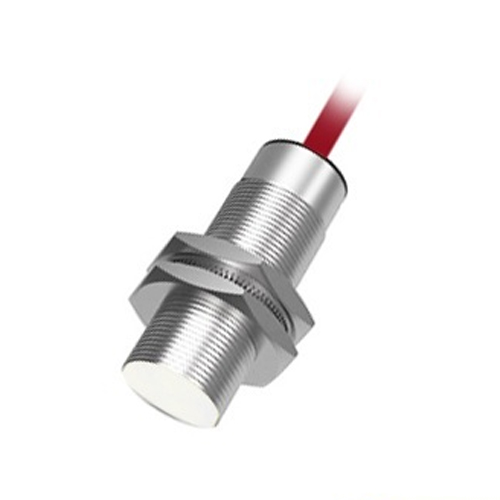
The reliability of these switches is paramount. They are engineered for durability in harsh industrial environments. Robust housings, often rated IP67 or higher, protect against dust, moisture, and chemical exposure. The internal switching mechanisms, whether using rugged mechanical contacts, solid-state electronics, or proximity sensing technology, are designed for millions of cycles of faultless operation. This resilience ensures that the safety signal is always available when needed most, even in settings filled with vibration, temperature fluctuations, and electromagnetic interference.
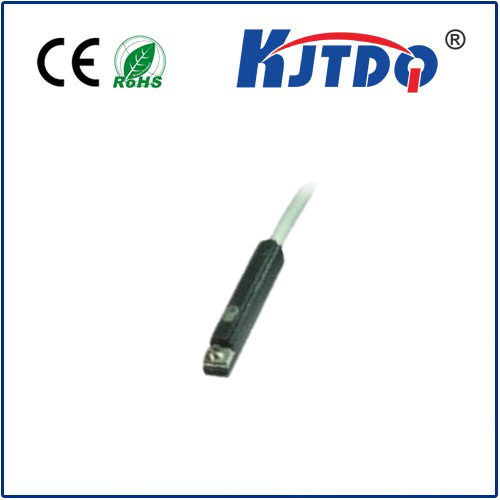
Modern advancements have expanded the capabilities of final limit switches beyond basic mechanical levers. Magnetic reed switches offer contactless operation for cleaner sensing. Rotary cam limit switches provide multi-point control within a single unit, perfect for complex sequential operations. The integration of diagnostic LEDs and direct communication via IO-Link or other industrial protocols allows for predictive maintenance. Technicians can monitor switch health and receive early warnings of potential failures, transitioning from reactive repairs to proactive system management.
Selecting the right final limit switch requires careful analysis. Factors include the required actuation force, repeat accuracy, switching capacity (voltage and current), environmental protection rating, housing material (metal or polymer), and the type of actuator (roller lever, plunger, or flexible wand). Proper installation and regular functional testing are equally crucial. A switch out of alignment or a loose mounting bracket can fail to actuate, rendering the safety system useless.
In essence, the final limit switch is a cornerstone of both operational efficiency and workplace safety. It provides the tangible, physical feedback that digital control systems rely upon to interact safely with the physical world. By delivering unambiguous signals at critical boundaries, it enables machinery to operate at peak performance with confidence, safeguarding valuable assets and, most importantly, human operators. In the relentless drive of industry, the final limit switch stands as a quiet guardian, ensuring that every motion has a definitive and safe conclusion.