Проверка
Проверка
Проверка
Проверка
Проверка
Проверка
In the intricate world of electronic components, where reliability and precision are non-negotiable, the DC micro switch stands as a fundamental yet often overlooked pillar. These compact, snap-action switches are engineered to operate with minimal physical force, making them indispensable in applications demanding exacting control and feedback. Unlike their larger counterparts, DC micro switches are designed for low-current, low-voltage DC circuits, offering a unique blend of sensitivity, durability, and longevity that is critical in modern technology.
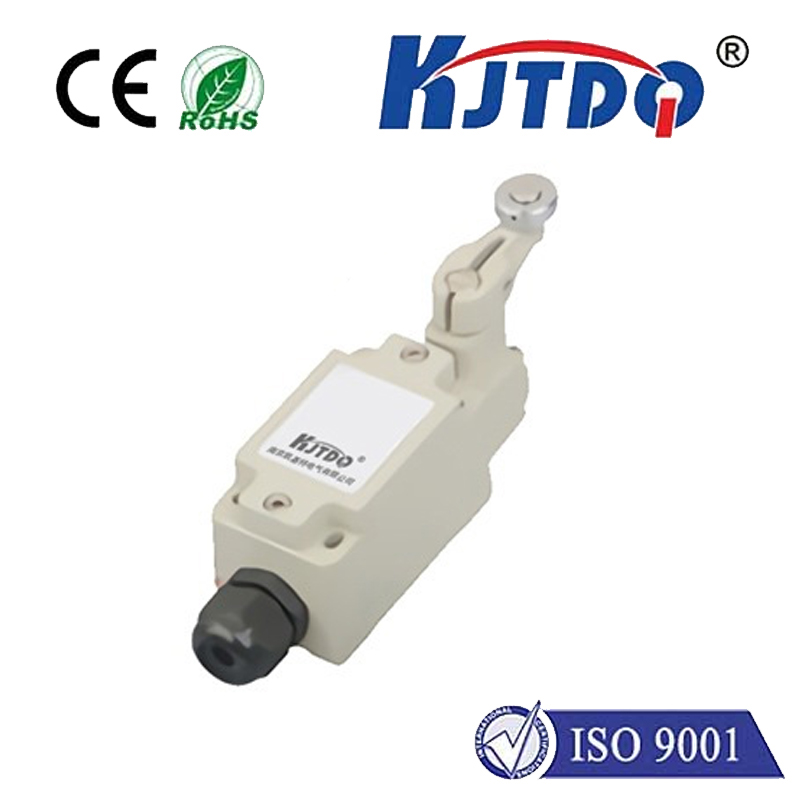
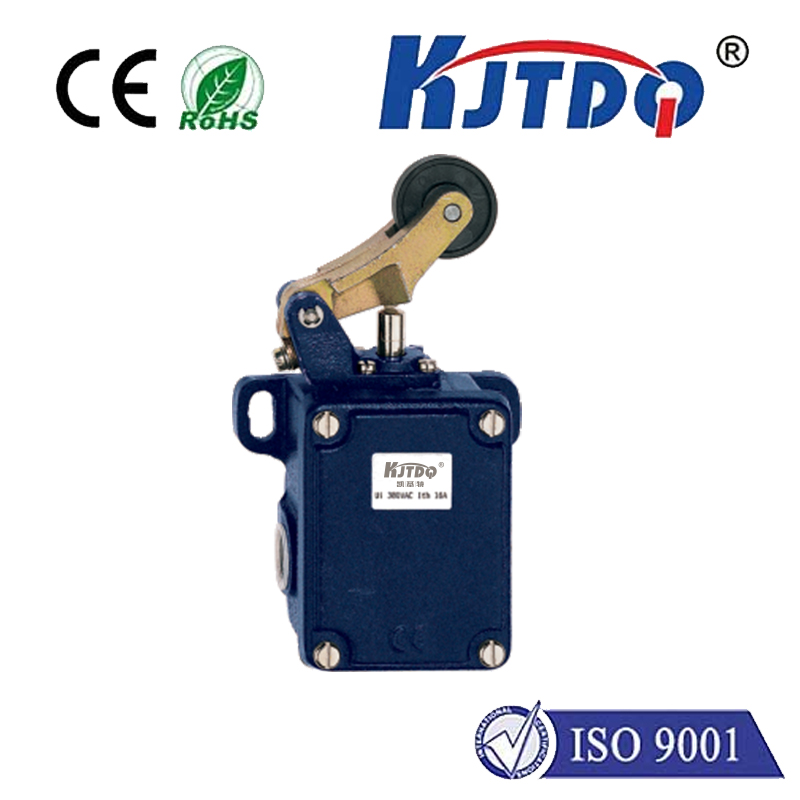
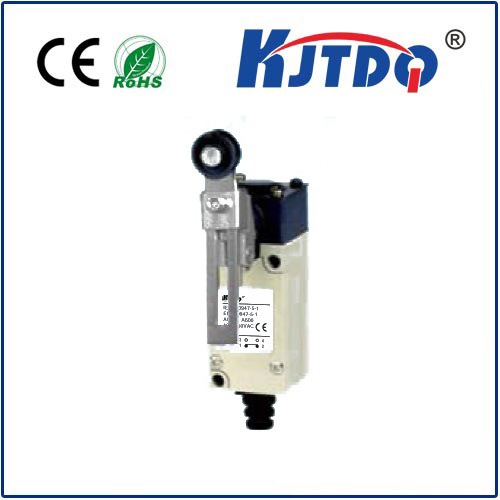
The operational principle of a DC micro switch is a marvel of mechanical simplicity and electrical efficiency. At its core, a spring-loaded actuator, which can be a lever, roller, or button, is connected to a set of internal contacts. When an external force reaches a specific threshold—the "operating point"—it triggers a rapid, "snap-action" movement. This instantaneous transition opens or closes the electrical circuit with remarkable consistency. This fast switching action, known for its crisp tactile feedback, minimizes electrical arcing, a key factor in extending the switch's operational life, especially in DC applications where contact wear can be a concern.
The true value of the DC micro switch is unlocked across a staggering array of industries. In the realm of automotive electronics, they serve as silent sentinels, detecting the position of gear selectors, confirming door and trunk closure for interior lighting systems, and ensuring safety in power window mechanisms. Within home appliances, from microwave ovens and washing machines to coffee makers, these switches provide essential limit and interlock functions, ensuring devices operate only under correct and safe conditions. The world of industrial automation relies heavily on them for precision positioning in machinery, conveyor belt sequencing, and as safety interlocks on guards and access panels. Furthermore, they are integral to medical devices, vending machines, and even aerospace controls, where failure is not an option.
Selecting the appropriate DC micro switch for a project requires careful consideration of several technical parameters. The electrical rating, typically specified in amperes (A) at a specific DC voltage (e.g., 5A at 125VDC), must comfortably exceed the expected load to ensure safety and longevity. The mechanical life, often rated in millions of cycles, indicates durability under pure mechanical operation, while the electrical life, usually a lower figure, accounts for contact wear during actual current switching. Actuator type is another critical choice; a long lever arm offers high sensitivity for detecting small movements, while a pin plunger is suited for direct, short-travel applications. Environmental sealing, denoted by IP ratings, is vital for switches exposed to dust, moisture, or washdowns.
The evolution of DC micro switch technology continues to address the demands for miniaturization and enhanced performance. Modern designs incorporate precious metal alloy contacts, such as gold or silver, to ensure reliable low-level signal switching. Advanced thermoplastic housings provide superior dielectric strength and resistance to chemicals and high temperatures. Some variants now integrate rudimentary logic or basic amplification, blurring the line between a simple mechanical component and a smart sensor. This ongoing innovation ensures that the humble DC micro switch remains perfectly aligned with the trends toward smaller, smarter, and more connected devices.
Ultimately, the DC micro switch exemplifies engineering excellence through simplicity. Its ability to provide a reliable, precise, and cost-effective interface between a physical action and an electrical response makes it a cornerstone of control system design. For engineers and product developers, understanding its capabilities and specifications is not just about choosing a component; it's about building a foundation of reliability into the very heart of their creations. From ensuring a car door light turns off to guaranteeing the safe operation of complex industrial robots, the DC micro switch performs its duty with unwavering consistency, proving that the most critical roles are often played by the smallest components.