For makers and CNC enthusiasts, achieving consistent precision is a constant pursuit. The MPCNC (Mostly Printed CNC) platform has democratized access to capable CNC machines, but its true potential is unlocked through thoughtful calibration and the integration of essential safety components. Among these, the humble limit switch plays a pivotal role, acting as the machine's trusted sentinel. Far from being an optional accessory, a properly configured limit switch system is fundamental to protecting your investment, ensuring repeatable accuracy, and enabling advanced automated workflows.
At its core, a limit switch is a simple electromechanical device that sends a signal when a machine axis reaches a predefined physical boundary. For an MPCNC, this means defining the exact travel limits of the X, Y, and Z axes. The primary and most critical function is machine protection. Without limit switches, a missed step, a software glitch, or a design error can command the tool head to move beyond its mechanical range. The consequences can be severe: damaged stepper motors, bent lead screws, a torn-out spindle mount, or a shattered bit. Limit switches act as a fail-safe, immediately halting all motion upon contact, preventing catastrophic collisions and expensive repairs.
Beyond crash protection, limit switches are the cornerstone of repeatable homing. Homing is the process where the machine moves each axis to a known, consistent reference point—often the switch itself—at the start of a job. This process eliminates positional drift. If you power off your MPCNC or it loses steps, the machine's controller no longer knows the exact position of the tool head. Without a reference point, resuming a job becomes guesswork and leads to ruined workpieces. With limit switches, a simple G-code command (likeG28) sends each axis to its limit switch, resetting the coordinate system to a perfect zero every single time. This guarantees that a job started today will align perfectly with one run yesterday or tomorrow.
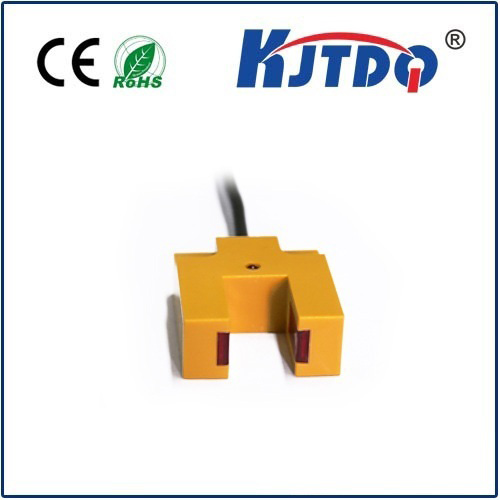
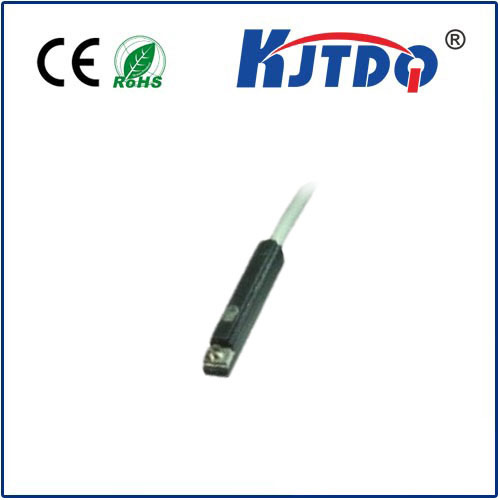
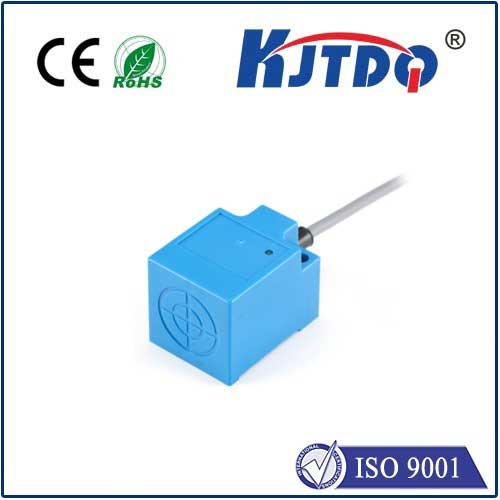
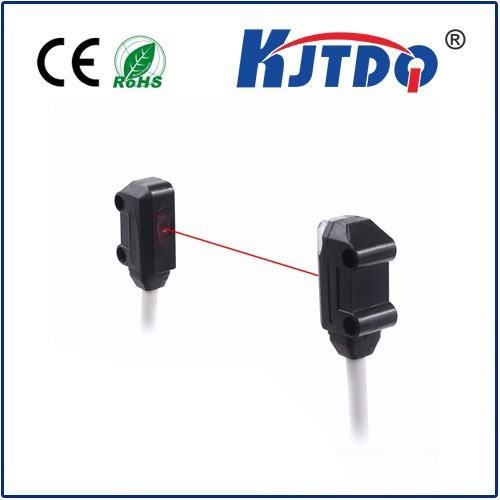
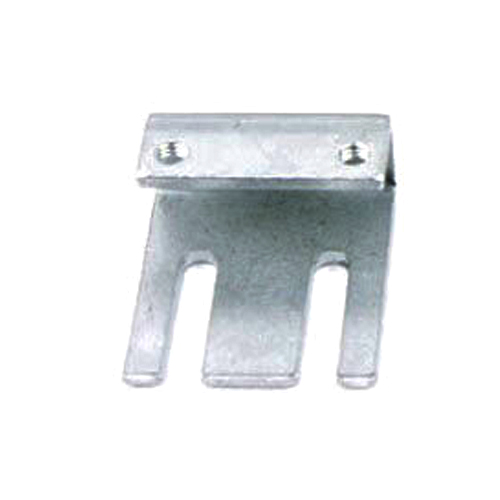
Implementing a robust limit switch system on your MPCNC requires careful planning. First, switch selection is key. While basic mechanical micro-switches are cost-effective and straightforward, they can be prone to physical wear and bounce. Optical or magnetic Hall effect sensors offer contactless, high-precision triggering and are highly reliable for long-term use. Their immunity to dust and vibration makes them a superior choice for the dynamic environment of a CNC router. Second, physical placement and mounting must be rigid and precise. Switches should be mounted on a solid part of the frame, and the actuator (like a small bolt or flag on the moving gantry) must engage the switch consistently at the exact same point in its travel. Any flex or play will introduce homing inaccuracies.
Wiring is another crucial consideration. Switches are typically configured in a Normally Open (NO) state and wired in series to the controller's dedicated limit input pins. This creates a safe circuit: if any switch is triggered, the circuit closes and signals an immediate stop. Proper cable management is essential to prevent snags or interference with the machine's movement. Most popular controllers for MPCNCs, like the RAMPS or GRBL-based boards, have dedicated inputs and straightforward firmware configuration for enabling limit switch functionality.
The integration of limit switches seamlessly bridges hardware and software. In your control software (e.g., Universal G-code Sender, CNCjs, or a dedicated interface), you enable hard limits and define the homing sequence. The machine's firmware, once configured, monitors the switch inputs continuously. When a limit is triggered, it executes a programmed response—usually an immediate stop and a requirement for a homing cycle before further movement. This closed-loop feedback is what transforms a collection of motors and rails into a trustworthy, automated tool.
For users looking to push their MPCNC further, limit switches enable advanced features like auto-bed leveling and tool length probing. These processes often use the same or similar sensor inputs to map the unevenness of a spoil board or measure tool length automatically, compensating for variations and elevating print quality to professional levels. The initial setup of limit switches demands patience and meticulous adjustment, but this investment pays continuous dividends in saved time, material, and frustration.
In conclusion, viewing limit switches as merely optional safety devices for an MPCNC is a significant underestimation. They are, in fact, fundamental precision instruments. They provide the essential feedback that protects the machine's physical integrity and establishes the reliable coordinate system upon which all accurate machining depends. By investing in a quality limit switch setup—choosing robust sensors, securing them firmly, and configuring the software correctly—you are not just adding a feature; you are building a foundation of trust and repeatability into your CNC workflow. Your MPCNC becomes more than a project; it evolves into a dependable workshop partner, capable of producing precise, high-quality results time after time.