Проверка
Проверка
Проверка
Проверка
Проверка
Проверка
In industrial settings where overhead cranes are pivotal for moving heavy loads, safety and precision are non-negotiable. The limit switch for overhead cranes plays a critical role in achieving these goals, acting as a safeguard that prevents operational mishaps and enhances overall efficiency. This device, often overlooked, is integral to the crane's control system, ensuring smooth and secure material handling operations.
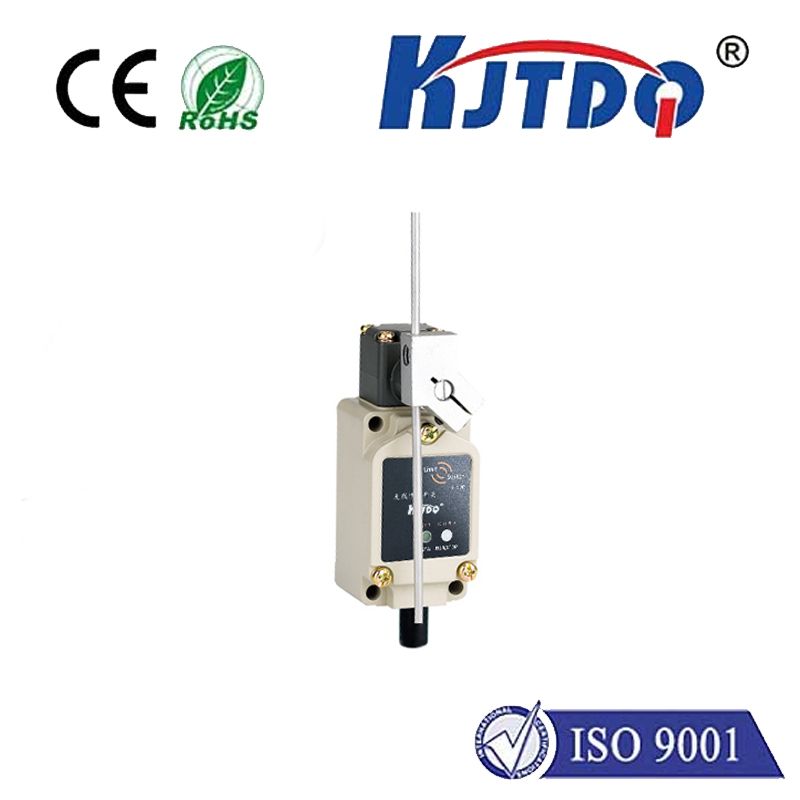
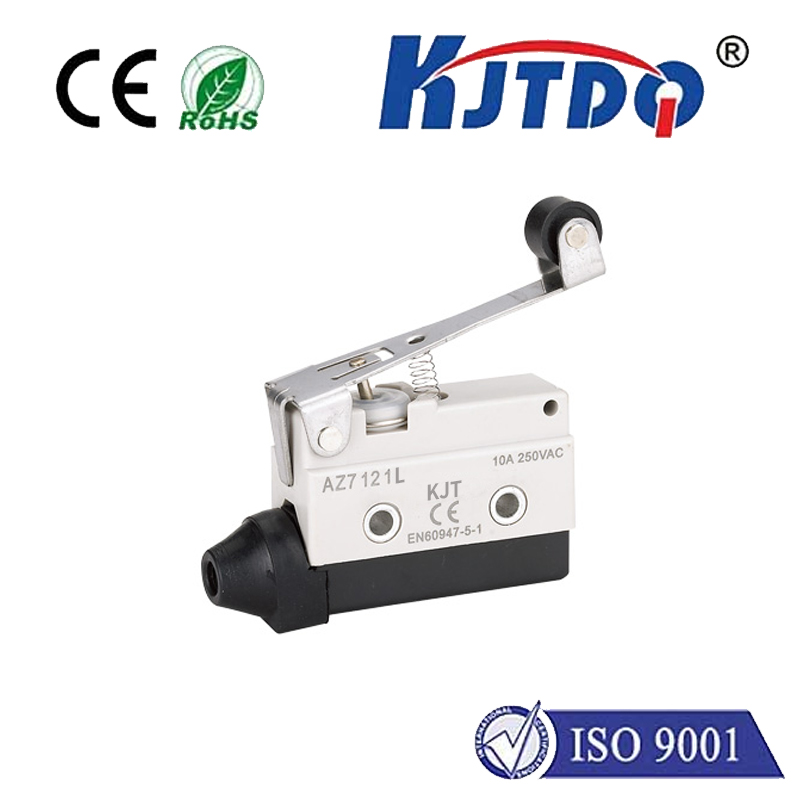
A limit switch on an overhead crane is designed to monitor the crane's movement and halt it at predetermined points. By detecting the position of the crane's hoist, trolley, or bridge, the switch triggers an automatic stop when the crane reaches its safe travel limits. This function is vital in preventing over-travel, which could lead to collisions, equipment damage, or even workplace injuries. For instance, in busy warehouses or manufacturing plants, where cranes operate in confined spaces, the limit switch ensures that the crane stops before hitting walls, other machinery, or personnel. This not only protects assets but also minimizes downtime caused by accidents.
The importance of a reliable limit switch extends beyond safety. It contributes to operational efficiency by enabling precise load positioning. In applications such as steel mills, construction sites, or shipping ports, where cranes handle delicate or expensive materials, accurate placement is crucial. The limit switch allows operators to program specific stopping points, reducing manual errors and speeding up workflows. This precision translates to higher productivity and cost savings, as tasks are completed faster with fewer interruptions.
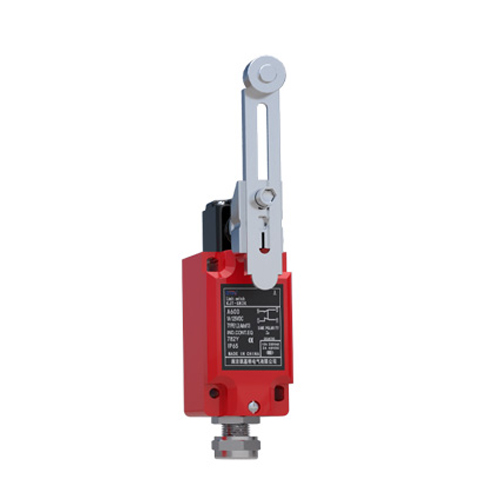
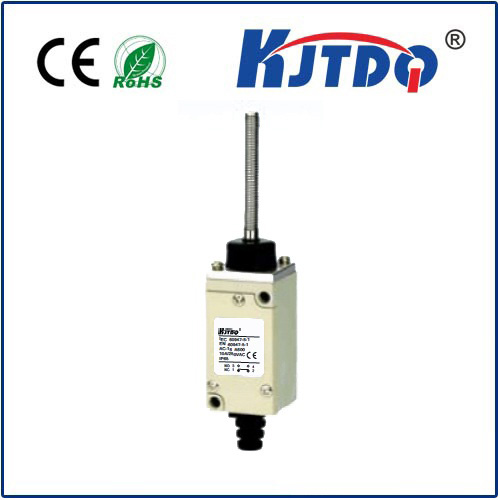
When selecting a limit switch for an overhead crane, several factors come into play. Durability is key, as these switches must withstand harsh industrial environments, including exposure to dust, moisture, and extreme temperatures. Look for switches with robust housings, such as those made from stainless steel or heavy-duty plastics, which offer resistance to corrosion and impact. Additionally, the switch's actuation mechanism—whether lever, roller, or plunger-type—should match the crane's movement patterns to ensure consistent performance. Regular maintenance is also essential; inspecting the switch for wear and tear, cleaning contacts, and testing its functionality can prevent unexpected failures and extend its lifespan.
Technological advancements have further enhanced limit switch capabilities. Modern versions often integrate with programmable logic controllers (PLCs) or wireless systems, allowing for remote monitoring and adjustments. This connectivity enables real-time data collection on crane operations, facilitating predictive maintenance and reducing the risk of sudden breakdowns. For businesses investing in Industry 4.0 initiatives, smart limit switches can be part of an interconnected safety network, improving overall plant automation and compliance with safety regulations like OSHA standards.
In practice, the installation and calibration of a limit switch require expertise. Proper alignment with the crane's travel path ensures accurate triggering, while incorrect setup may lead to false stops or failure to activate. It's recommended to involve certified technicians during installation and to follow manufacturer guidelines. Training operators on the switch's functions and limitations also boosts safety, as they can recognize warning signs, such as unusual noises or delayed responses, and report them promptly.
Case studies from various industries highlight the switch's impact. In a automotive assembly plant, integrating high-precision limit switches reduced crane-related incidents by 30% over a year, while in a logistics center, they cut loading times by 15% through optimized positioning. These examples underscore how a small component like a limit switch can drive significant improvements in both safety and productivity.
Ultimately, the limit switch for overhead cranes is more than just a safety device; it's a cornerstone of efficient material handling. By preventing accidents, enhancing precision, and supporting technological integration, it helps businesses maintain smooth operations and protect their workforce. As industries evolve toward greater automation, investing in quality limit switches becomes increasingly important for staying competitive and safe.