Проверка

Проверка
Проверка
Проверка
Проверка
Проверка
In the intricate world of industrial automation, precision and reliability are non-negotiable. Among the myriad components that ensure seamless operations, the limit switch stands out as a fundamental yet critical device. Often overlooked, this electromechanical component acts as a sentinel, controlling machinery by detecting the presence or absence of an object, or by monitoring positional limits. Its role is pivotal in enhancing safety, improving efficiency, and preventing costly equipment damage.
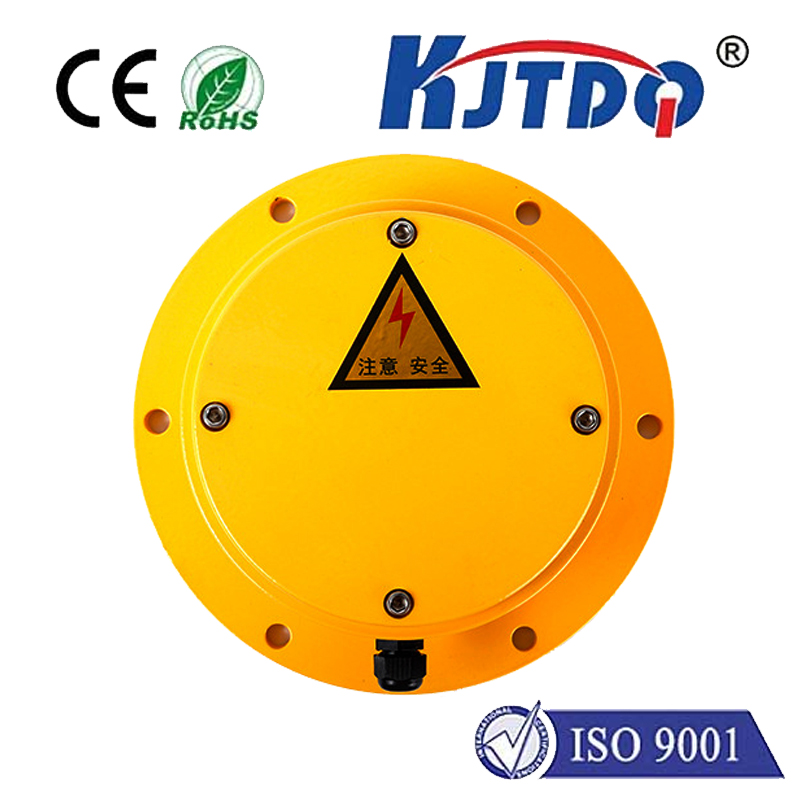
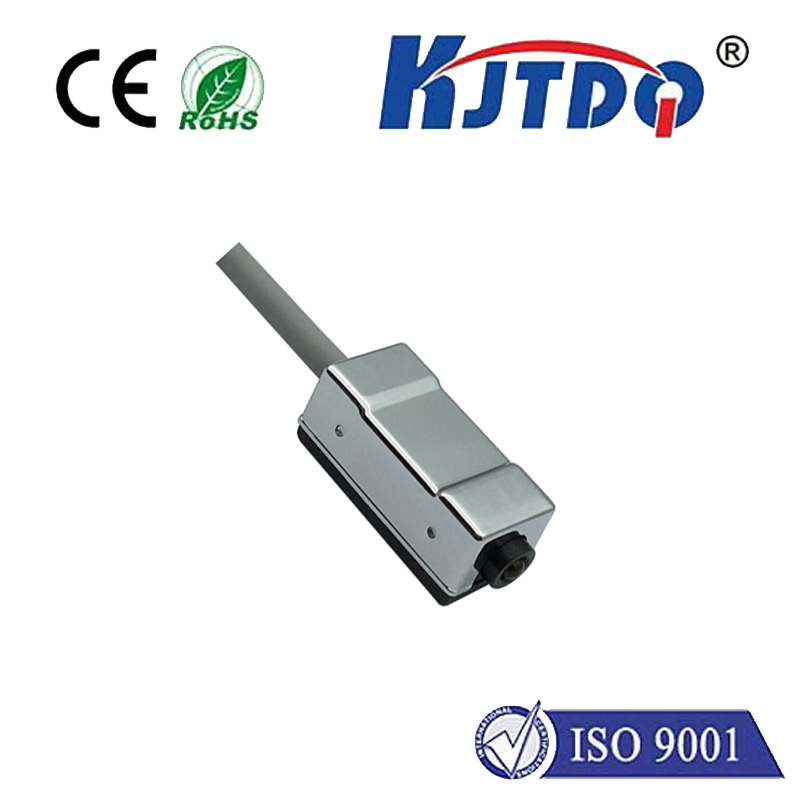
A limit switch in an industrial setting typically consists of an actuator mechanically linked to a set of contacts. When an object comes into contact with the actuator, it triggers the switch to either make or break an electrical connection. This simple action can initiate, halt, or sequence operations within a system. For instance, on a conveyor belt, a limit switch can stop the belt once a product reaches the end of the line, ensuring smooth handling and preventing jams. In robotic arms, these switches define the boundaries of movement, safeguarding against over-travel that could lead to mechanical failure.
The durability of industrial limit switches is paramount. Designed to withstand harsh environments—including exposure to dust, moisture, extreme temperatures, and vibrations—they are built with robust materials like stainless steel or thermoplastic housings. Sealed variants offer ingress protection, making them suitable for washdown areas in food processing or pharmaceutical industries. This resilience ensures consistent performance even under demanding conditions, reducing downtime and maintenance needs.
Various types of limit switches cater to specific applications. Basic plunger-style switches are common for linear motion detection, while roller lever switches suit applications requiring side-to-side movement. Rotary limit switches, on the other hand, are ideal for monitoring angular position, such as in crane rotation or valve control. The choice depends on factors like actuation force, travel distance, and environmental challenges. Selecting the right switch enhances system accuracy and longevity.
Integration with modern control systems, such as Programmable Logic Controllers (PLCs), has expanded the functionality of limit switches. They provide essential feedback to PLCs, enabling real-time monitoring and automated decision-making. This connectivity supports Industry 4.0 initiatives, where data from switches can be analyzed for predictive maintenance, optimizing production schedules and minimizing unexpected breakdowns. By contributing to smarter factories, limit switches evolve from mere safety devices to integral components of data-driven ecosystems.
Despite advancements in sensor technology, limit switches remain popular due to their simplicity, cost-effectiveness, and direct interface capabilities. They require no complex programming or calibration, offering a straightforward solution for position sensing. In emergency stop circuits or interlock systems, their fail-safe design ensures immediate response, protecting both personnel and machinery. This reliability makes them a staple in industries ranging from manufacturing and packaging to automotive and aerospace.
Regular inspection and maintenance are crucial to sustain limit switch performance. Over time, actuators may wear out, or contacts could accumulate debris, leading to false triggers or failures. Implementing routine checks—such as testing electrical continuity and cleaning components—can prevent operational hiccups. Upgrading to modern switches with self-diagnostic features further boosts reliability, aligning with proactive maintenance strategies.
In conclusion, the humble limit switch is a cornerstone of industrial automation, bridging mechanical motion with electrical control. Its ability to enforce precise limits and provide reliable feedback underpins efficient and safe manufacturing processes. As industries embrace automation and connectivity, the demand for robust, adaptable limit switches continues to grow, reinforcing their status as indispensable tools in the industrial landscape.