Проверка
Проверка
Проверка
Проверка
Проверка
Проверка
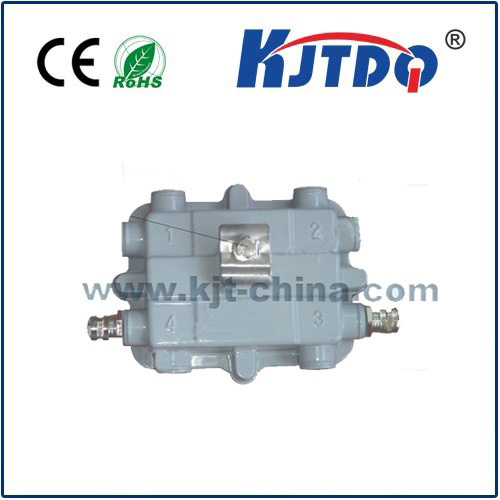
In industrial automation and machinery control, precision, safety, and reliability are non-negotiable. Among the myriad components that ensure seamless operation, the resettable limit switch stands out as a critical device for monitoring and controlling mechanical movement. Unlike standard limit switches that may require manual replacement or complex resetting after activation, a resettable limit switch is designed to automatically or manually return to its ready state once the actuating condition is removed. This functionality minimizes downtime, enhances operational efficiency, and provides an added layer of safety by preventing machine damage from over-travel or jamming.
The core principle of a resettable limit switch revolves around its ability to detect the presence or position of an object—typically through physical contact—and send a signal to the control system to stop, start, or change a machine's function. Once the triggering object retracts, an internal mechanism, often spring-based or magnetic, allows the switch to reset without intervention. This makes it ideal for repetitive processes in manufacturing lines, packaging systems, conveyor belts, and robotic arms where consistent performance is paramount. For instance, in a bottling plant, resettable limit switches can detect when bottles are misaligned, halt the conveyor, and reset automatically once the issue is corrected, ensuring continuous flow.
Durability is another hallmark of high-quality resettable limit switches. Constructed from robust materials like stainless steel or industrial-grade plastics, they withstand harsh environments involving dust, moisture, vibrations, and extreme temperatures. Many models feature sealed housings with IP67 or higher ratings, making them suitable for food processing, automotive assembly, or outdoor applications. The design often includes visual indicators, such as LED lights, to show operational status, aiding in quick troubleshooting. Additionally, these switches offer versatile mounting options and actuator types—from roller levers to plungers—allowing customization for specific mechanical setups.
From a safety perspective, resettable limit switches act as fail-safes. They prevent overloading by cutting power when a machine part exceeds its intended range of motion, reducing the risk of equipment failure or worker injury. In compliance with international standards like ISO 13849 for safety-related parts of control systems, they are integral to creating safer workplaces. Regular maintenance, including checking for wear on actuators and ensuring proper alignment, can extend their lifespan further.
Choosing the right resettable limit switch involves considering factors like electrical rating, actuation force, reset type (manual or automatic), and environmental resistance. Consulting with technical specialists or referring to manufacturer guidelines ensures optimal selection for your application. As industries advance toward smarter automation, integrating these switches with IoT-enabled systems can provide real-time diagnostics, predictive maintenance alerts, and enhanced data logging for improved productivity.
In summary, the resettable limit switch is a cornerstone of modern industrial control, blending simplicity with robust performance. Its ability to reset effortlessly after activation streamlines operations, cuts costs, and upholds safety standards, making it an indispensable tool for engineers and operators worldwide. Whether upgrading existing machinery or designing new systems, incorporating reliable resettable limit switches is a strategic move toward achieving uninterrupted, efficient, and secure manufacturing processes.