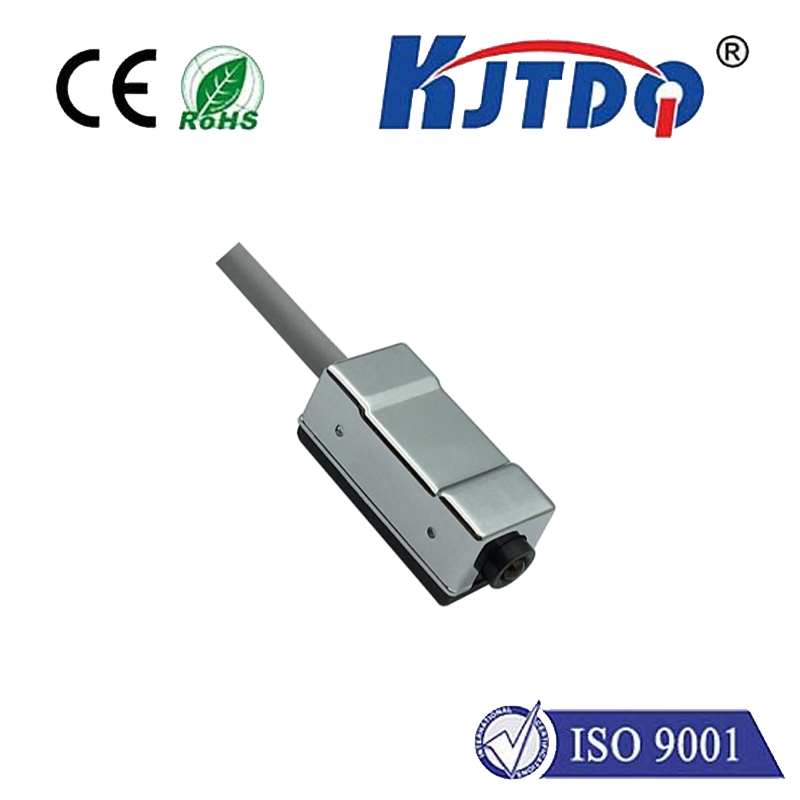
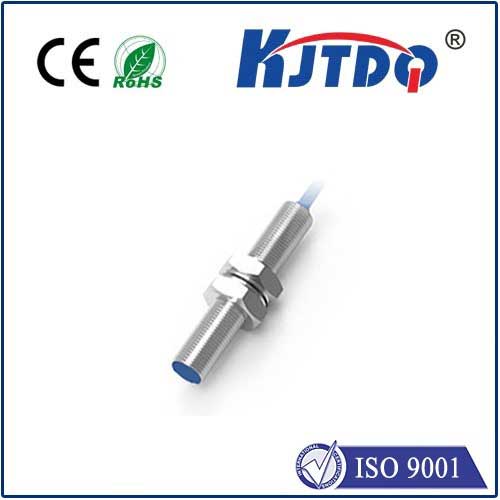
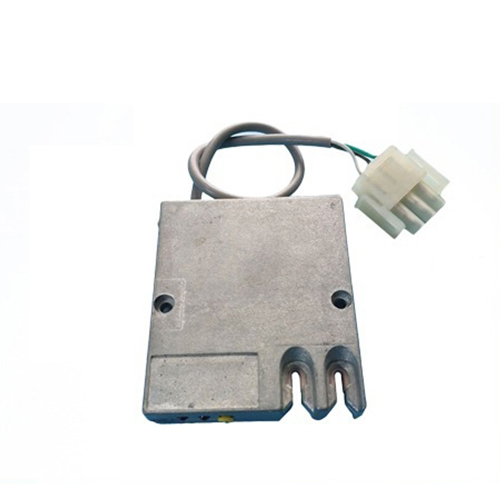
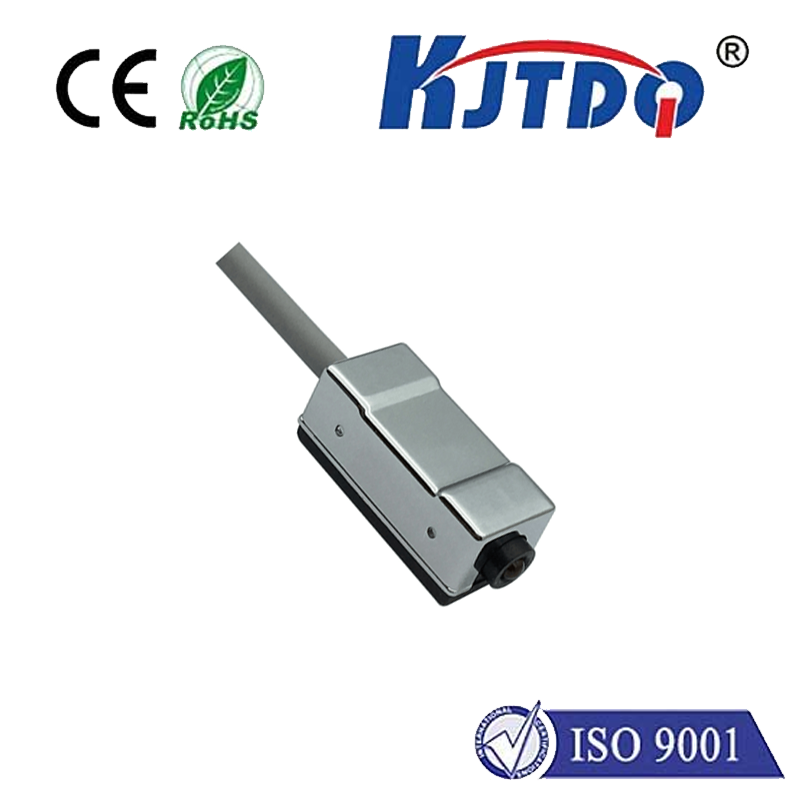
In modern industrial environments, the demand for reliable and precise control mechanisms is paramount. Among the myriad of components that ensure operational efficiency, the electrical limit switch stands out as a fundamental device. This unassuming yet critical component plays a vital role in monitoring and controlling the movement of machinery, thereby preventing overtravel and potential damage. By providing accurate positional feedback, electrical limit switches contribute significantly to the safety and precision of automated systems.
Electrical limit switches operate on a simple yet effective principle. Typically, they consist of an actuator mechanically linked to a set of contacts. When an object or machine part comes into contact with the actuator, it triggers a change in the electrical circuit—either opening or closing the contacts. This action sends a signal to the control system, which can then halt, start, or alter the operation of the machinery. For instance, in conveyor systems, these switches can detect when a product reaches the end of a line, ensuring smooth transitions and preventing jams. Similarly, in robotic arms, they define the boundaries of movement, safeguarding against collisions and excessive strain.
The versatility of electrical limit switches is evident in their various designs and configurations. From basic plunger-type switches to more sophisticated rotary and roller lever models, each variant caters to specific industrial needs. Factors such as environmental conditions, required actuation force, and mounting options influence the selection process. In harsh settings with dust, moisture, or extreme temperatures, sealed or ruggedized switches are employed to maintain functionality and longevity. Moreover, advancements in technology have led to the development of compact and high-precision switches that integrate seamlessly with modern programmable logic controllers (PLCs) and IoT-enabled systems, enhancing overall connectivity and data collection.
Beyond functionality, the implementation of electrical limit switches directly impacts workplace safety. By enforcing physical limits on machine motion, they reduce the risk of accidents caused by equipment malfunction or operator error. Regular maintenance and calibration are essential to ensure these switches perform optimally. Technicians should routinely inspect for wear and tear, verify electrical connections, and test responsiveness. Proactive measures not only extend the device's lifespan but also uphold the integrity of the entire automation setup.
In conclusion, the electrical limit switch remains an indispensable element in industrial automation. Its ability to provide reliable positional control underpins the efficiency and safety of countless applications, from manufacturing lines to packaging machinery. As industries continue to evolve towards smarter and more interconnected operations, the role of these switches will likely expand, adapting to new challenges and technologies. For engineers and operators, understanding their operation and maintenance is key to leveraging their full potential in creating resilient and productive automated environments.