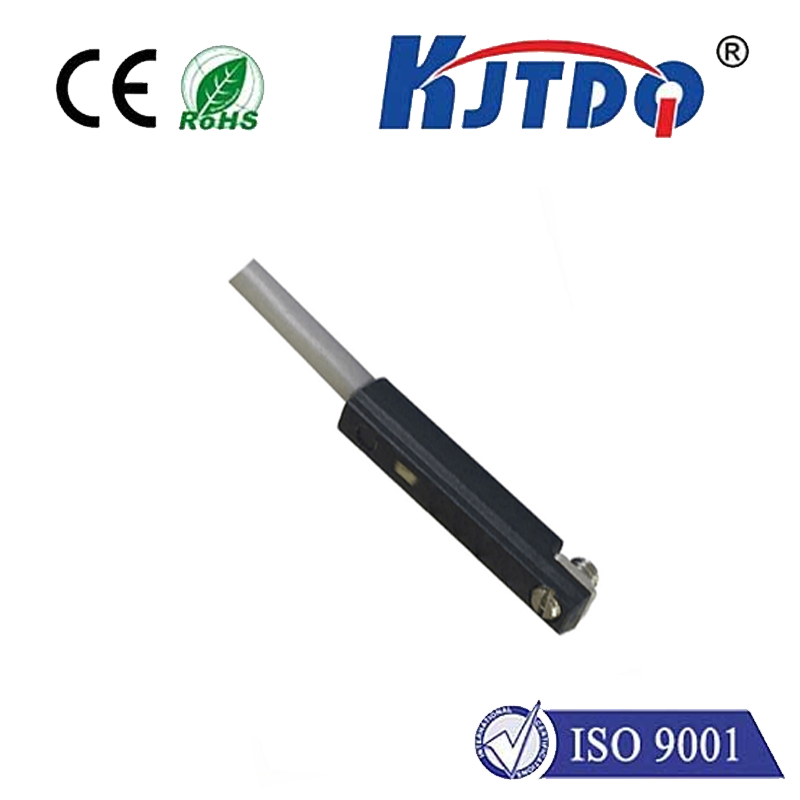
In the intricate world of industrial automation and material handling, the seamless operation of conveyor belts is paramount. However, this seamless flow is not just about motion; it's about control, safety, and precision. This is where the often-overlooked yet critical component, the limit switch, becomes the unsung hero for conveyor belt systems. A limit switch conveyor belt setup is not merely an addition; it's a fundamental integration that transforms a simple transport mechanism into an intelligent, responsive, and reliable backbone of production.
At its core, a limit switch is a sensor that detects the presence or absence of an object, or monitors the position of machinery. When applied to conveyor belts, these devices serve as vigilant sentinels. They are strategically installed at key points along the conveyor's path—typically at the beginning, end, or at transfer points. Their primary function is to provide real-time feedback to the control system. For instance, a limit switch can signal when a package has reached the end of the line, triggering the next action, such as diversion to another belt or initiation of a packaging sequence. Conversely, it can detect jams or overloads by sensing an abnormal accumulation of material, prompting an immediate shutdown to prevent damage to the belt, motor, or the products being transported.
The integration of limit switches elevates conveyor belt functionality in several tangible ways. First and foremost is enhanced safety. By automatically stopping the belt when a fault is detected, they protect personnel from potential hazards associated with moving machinery and malfunctioning equipment. This proactive approach minimizes the risk of accidents and costly downtime. Secondly, they introduce a layer of operational precision. In automated sorting systems, limit switches ensure parcels are correctly positioned for scanning or routing, drastically reducing errors and improving throughput efficiency. They enable sequential operations, where the completion of one task reliably triggers the start of the next, creating a smooth, uninterrupted workflow.
Beyond basic control, modern limit switches for conveyor belts are designed to withstand harsh industrial environments. They are built with robust housings resistant to dust, moisture, vibration, and extreme temperatures. Whether it's a heavy-duty roller lever switch monitoring bulk material flow in a mining operation or a compact precision switch guiding delicate electronics on an assembly line, the right limit switch ensures durability and long-term reliability. This resilience translates directly into reduced maintenance costs and higher overall equipment effectiveness (OEE).
Choosing the correct limit switch for your conveyor belt application requires careful consideration. Factors such as the type of actuator (roller, plunger, or whisker), the required switching force, electrical ratings, and the environmental conditions (IP rating) are crucial. For example, a rugged, oil-tight limit switch is essential for manufacturing floors, while a switch with a long lever arm might be needed for detecting large, irregularly shaped items. Proper installation and regular inspection are equally important to maintain optimal performance and ensure the switch responds accurately every time.
In conclusion, viewing a limit switch as just another component on a conveyor belt is a significant oversight. It is, in fact, a vital control element that injects intelligence, safety, and efficiency into the entire material handling process. From preventing catastrophic failures to enabling complex automation, the limit switch conveyor belt system is a testament to how simple electromechanical devices can have a profound impact on productivity and operational safety. Investing in a robust limit switch solution is not an expense; it's a strategic investment in the smooth, safe, and smart future of your industrial operations.