In the intricate world of industrial automation and machinery, precision and safety are non-negotiable. Among the myriad components that ensure seamless operation, the up limit switch stands as a silent yet critical sentinel. This device, often overlooked, plays a pivotal role in preventing over-travel, protecting equipment, and safeguarding personnel. Understanding its function, types, and applications is key to optimizing any system that involves linear or rotational motion.
An up limit switch, fundamentally, is an electromechanical device designed to detect the presence or absence of an object, or to monitor positional limits. Specifically, it is activated when a moving part reaches a predetermined upper point in its travel path. Upon activation, it sends a signal to the control system to stop or reverse the motion, thereby preventing mechanical damage, potential jams, or hazardous situations. Think of it as a highly reliable "stop" sign for machines.
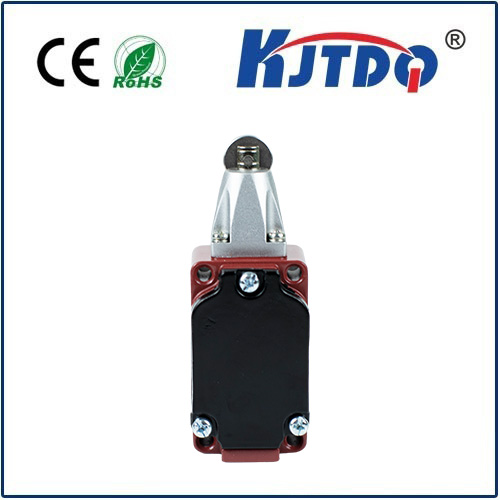
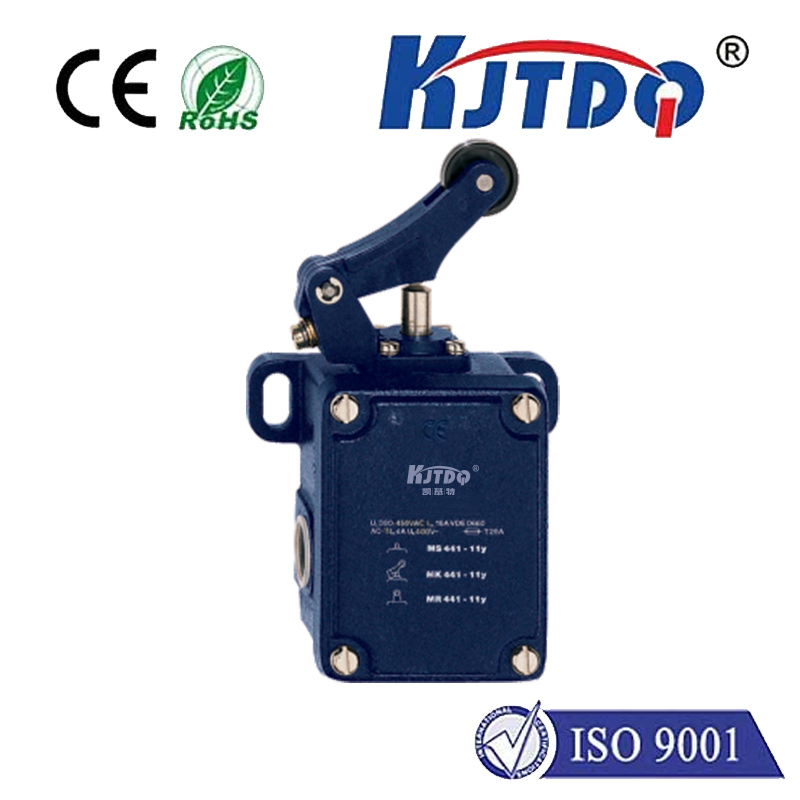
The operational principle is straightforward yet robust. Typically, the switch consists of an actuator—a lever, roller, or plunger—mechanically linked to a set of electrical contacts. When the target machine part or a cam attached to it makes contact with the actuator, it triggers the internal mechanism to change the state of the contacts. This change, from normally open (NO) to closed or vice versa, creates or breaks an electrical circuit. The control panel interprets this signal and executes a pre-programmed command, such as cutting power to a motor or initiating a reverse cycle.
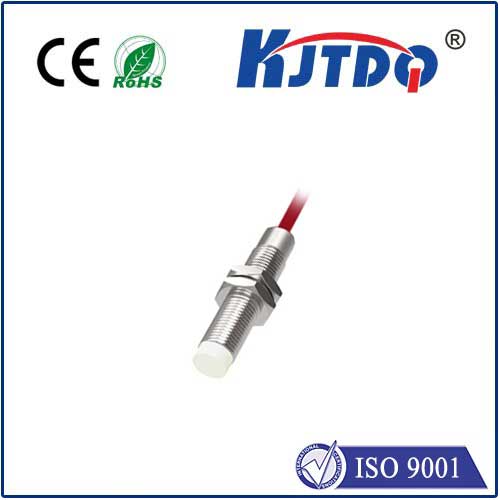
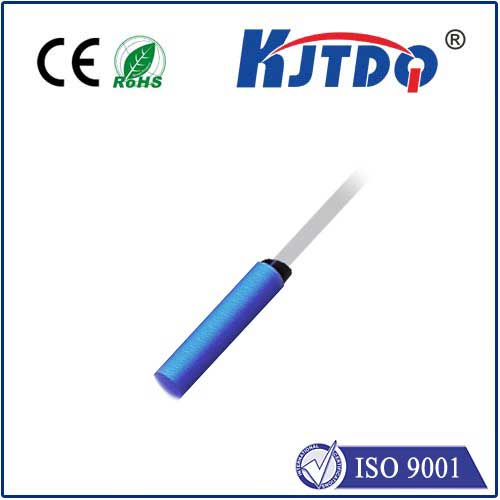
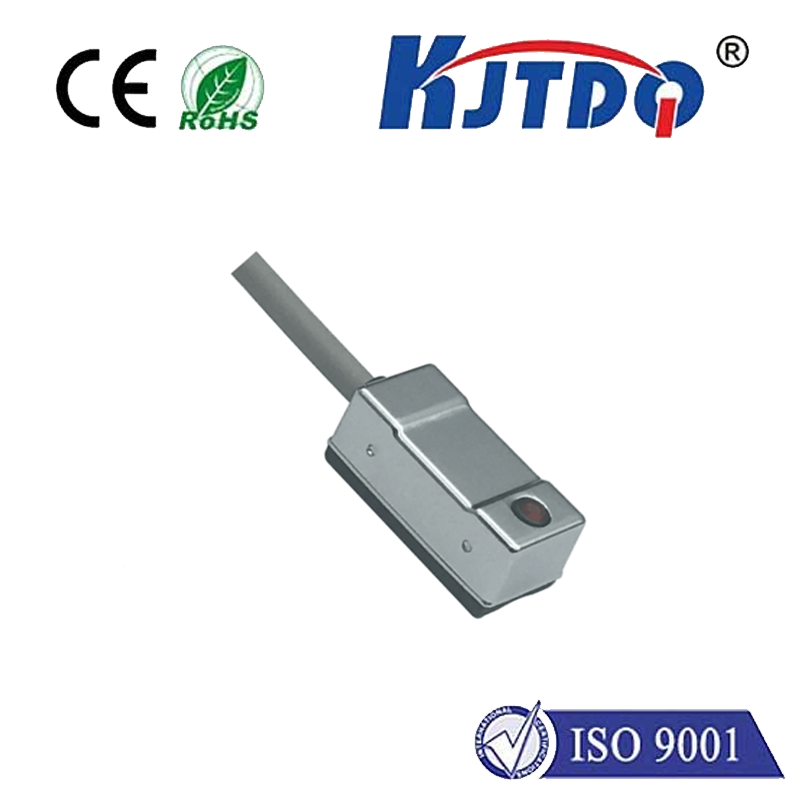
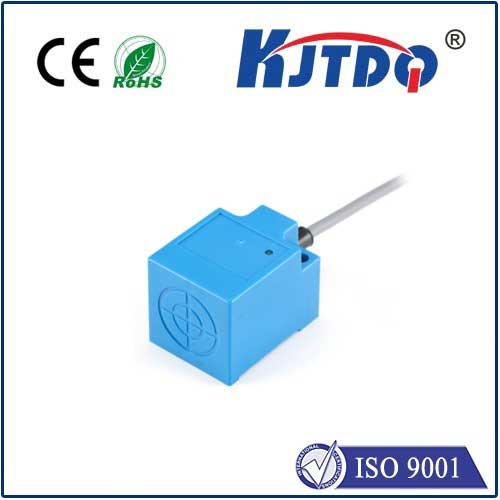
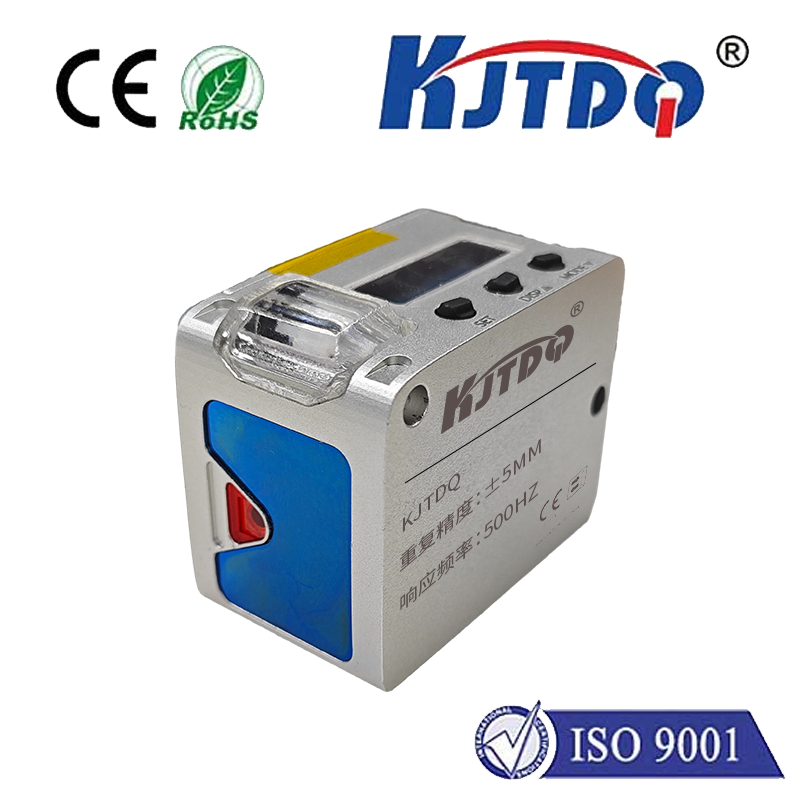
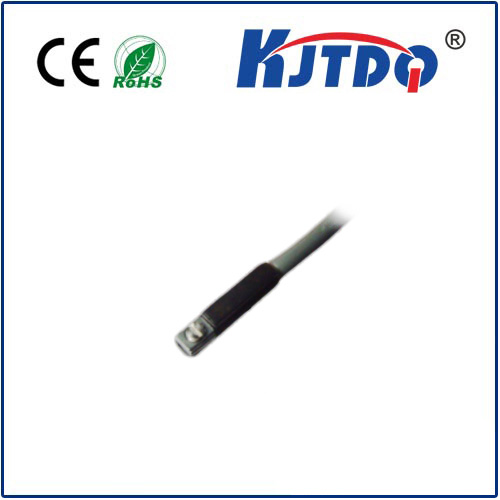
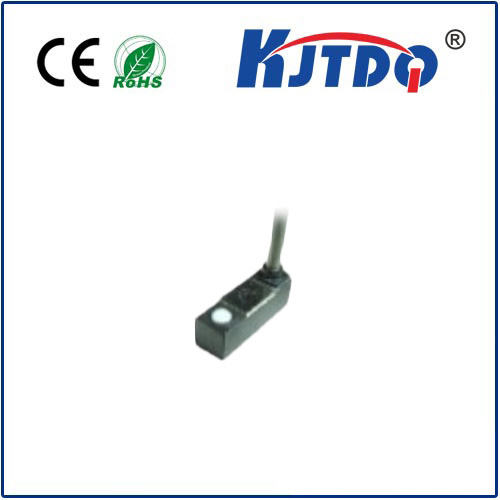
Several types of up limit switches cater to diverse industrial needs. Basic mechanical lever-arm switches are common for general purposes. For harsh environments with dust, moisture, or corrosive substances, sealed or waterproof limit switches are indispensable. In applications requiring high precision and repeatability without physical contact, proximity sensors—inductive or capacitive—serve as non-contact up limit switches. The choice depends on factors like required accuracy, operating speed, environmental conditions, and the necessary force for actuation.
The applications of up limit switches are vast and varied. In elevator systems, they are crucial for preventing the cab from over-traveling at the top floor, ensuring passenger safety. On automated assembly lines, they precisely position robotic arms or conveyor belts. In garage door openers, they halt the upward movement at the correct height. They are also integral to CNC machines, packaging equipment, and material handling systems like cranes and hoists, where defining the upper travel limit is essential for both operational efficiency and safety compliance.
Selecting and maintaining the right up limit switch is crucial for long-term reliability. Key selection criteria include electrical rating (voltage and current), mechanical life expectancy, actuator type, housing material (e.g., metal or plastic for durability), and ingress protection (IP) rating for environmental resistance. Proper installation is equally important; the switch must be securely mounted and accurately aligned with the moving part to ensure consistent actuation. Regular maintenance involves checking for physical wear on the actuator, testing electrical continuity, and ensuring connections are tight and free from corrosion. A failing limit switch can lead to machine downtime, costly repairs, or safety incidents.
In modern Industry 4.0 setups, the humble up limit switch is often integrated into sophisticated networked systems. Its status can be monitored in real-time through PLCs (Programmable Logic Controllers) and SCADA (Supervisory Control and Data Acquisition) systems, providing valuable data for predictive maintenance and operational analytics. This integration enhances overall system intelligence, allowing for quicker fault diagnosis and improved process optimization.
Ultimately, the up limit switch is a fundamental component that embodies the principle of "fail-safe" design in engineering. Its primary job is to provide a definitive physical boundary for machine movement. By reliably interrupting operation at a critical point, it protects valuable capital equipment from impact damage, reduces wear and tear on mechanical drives, and most importantly, creates a safer working environment by eliminating a common source of machine-related hazards. Investing in high-quality limit switches and understanding their proper application is not merely a technical detail—it is a cornerstone of responsible and efficient industrial operation.