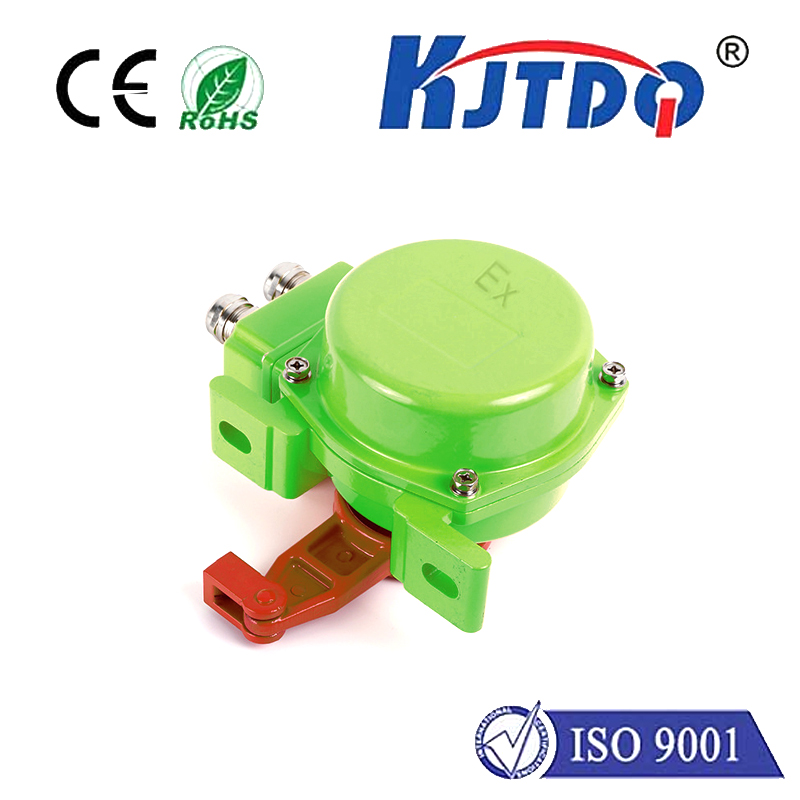
In the intricate world of industrial automation and machinery, safety and precision are paramount. Among the myriad of components that ensure these principles, the rollout limit switch stands as a critical guardian. This device is not merely a switch; it is a sophisticated safety interlock designed to prevent catastrophic failures, particularly in systems involving moving parts that extend or "roll out," such as those found in large ovens, furnaces, kilns, or drawer-style equipment.
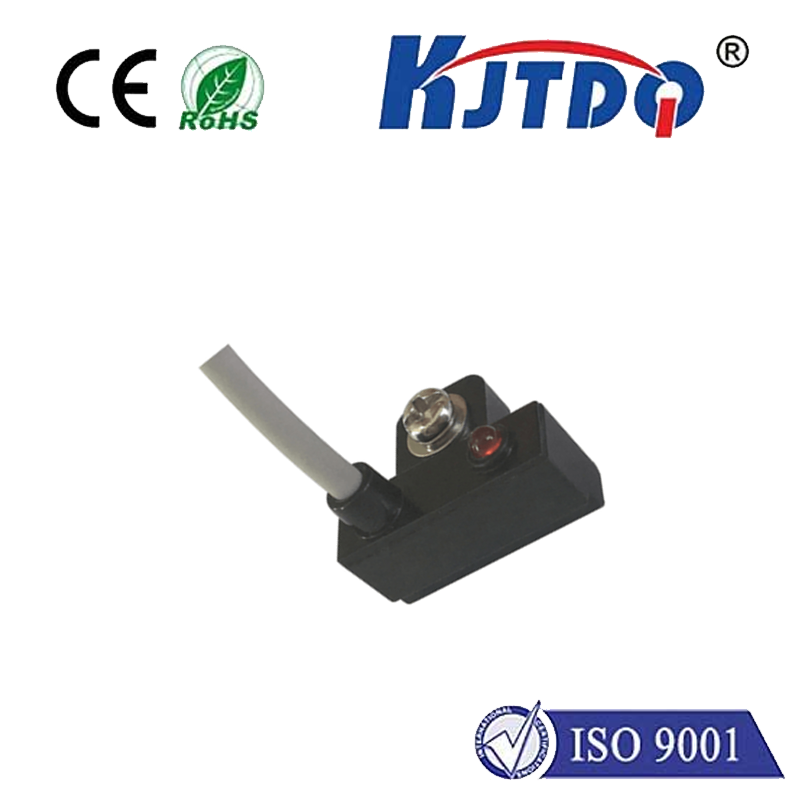
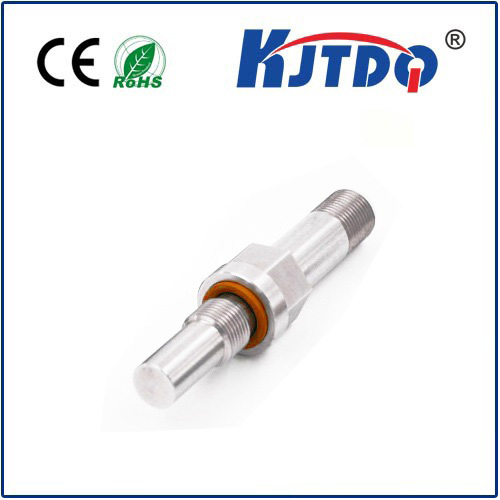
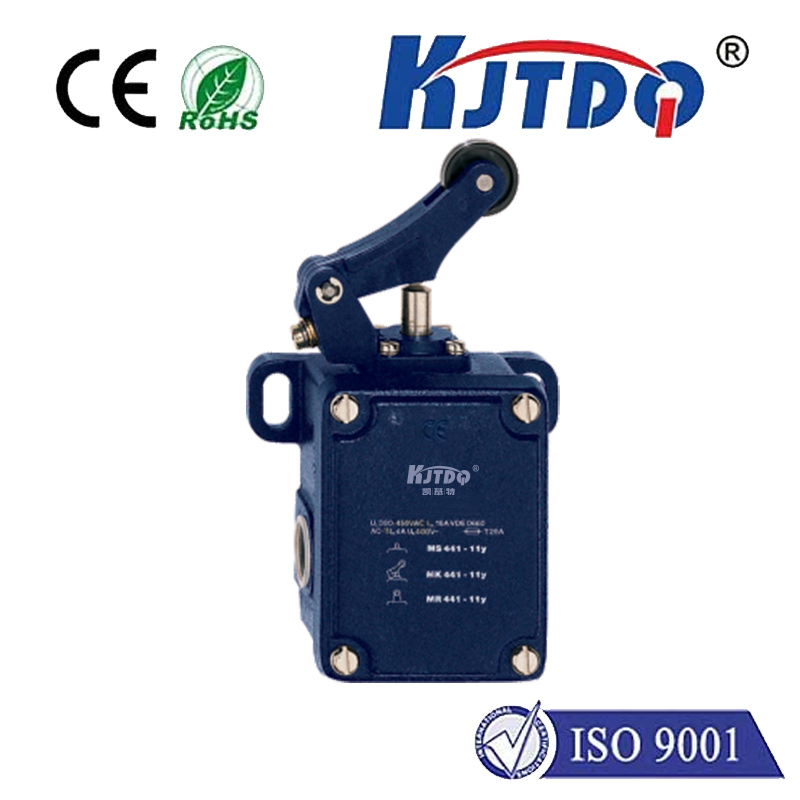
A rollout limit switch is specifically engineered to monitor the position of a door, drawer, or panel. Its primary function is to cut power to a system—often a heating element, motor, or other hazardous function—the moment an access point is opened beyond a predefined safe limit. Imagine a large industrial baking oven. If a door is accidentally opened during operation, intense heat and potential flames could "roll out" into the workspace, creating an immediate fire hazard and severe risk to personnel. The rollout limit switch acts as the first line of defense. It is strategically positioned so that when the door begins to open, a mechanical actuator (like a lever or plunger) on the switch is released or depressed. This action changes the switch's electrical state, sending a signal to the main control system to immediately shut down the heat source or activate an alarm. This failsafe mechanism ensures that energy supply is interrupted before human operators or the environment is exposed to danger.
The operational principle hinges on reliability. These switches are typically normally closed (NC) devices within the safety circuit. Under normal, safe conditions—with the door securely shut—the switch's contacts remain closed, allowing current to flow and the system to operate. Any unauthorized or unexpected opening breaks this circuit, creating an open condition that the controller interprets as a "stop" command. This simple yet effective design is why they are considered vital fail-safe components. They are often part of a larger interlock system, working in tandem with other safety devices like temperature sensors and main power contactors.
Selecting the right rollout limit switch involves several key considerations. The environment is crucial; switches used in high-temperature areas near furnaces must have robust thermal ratings and be constructed from materials that resist heat degradation. For washdown areas in food processing, corrosion-resistant and waterproof housings are essential. Mechanical specifications like actuator type (roller lever, fork lever, or push rod), operating force, and repeat accuracy must match the physical movement of the door they monitor. Electrical ratings for voltage and current must be compatible with the control circuit. Furthermore, compliance with international safety standards (like ISO 13849 or IEC 60947) is non-negotiable for ensuring certified safety performance.
Beyond the classic thermal applications, the utility of these switches extends to various sectors. In robotics, they can safeguard access to robotic cell doors. In printing presses, they might secure access panels to moving rollers. In any machinery where access to a hazardous area must be absolutely prevented during operation, a well-installed rollout limit switch provides a reliable mechanical solution that is often preferred over purely electronic sensors for its simplicity and direct action.
Installation and maintenance are straightforward but demand diligence. The switch must be mounted in the exact position where the door's movement will consistently and fully actuate it. Even a slight misalignment can lead to failure to trip or, conversely, nuisance trips that disrupt production. Regular testing is mandatory. Maintenance schedules should include checks for mechanical wear on the actuator, buildup of debris that could impede movement, and verification of electrical continuity. A switch that fails in a silent manner—stuck closed—is the most dangerous, as it gives a false signal of safety. Therefore, periodic functional testing where the door is opened to confirm system shutdown is a critical safety procedure.
In conclusion, the rollout limit switch embodies a fundamental engineering philosophy: the simplest, most reliable solution is often the best for preventing harm. It serves as an unassuming yet indispensable sentinel, bridging mechanical movement with electrical control to create a safe operational boundary. For engineers, facility managers, and safety officers, understanding, specifying, and maintaining these devices is not just about equipment functionality—it's a core commitment to operational safety and risk mitigation. In an era of advanced digital controls, the physical, positive-action assurance provided by a rollout limit switch remains irreplaceable.