Проверка
Проверка
Проверка
Проверка
Проверка
Проверка
In the intricate world of HVAC and industrial ventilation, the seamless operation of air curtains is paramount for maintaining energy efficiency, hygiene, and comfort. At the heart of this reliability lies a critical, yet often overlooked component: the air curtain limit switch. This device acts as a vigilant guardian, ensuring the system operates within safe parameters and preventing potential damage or hazardous conditions.
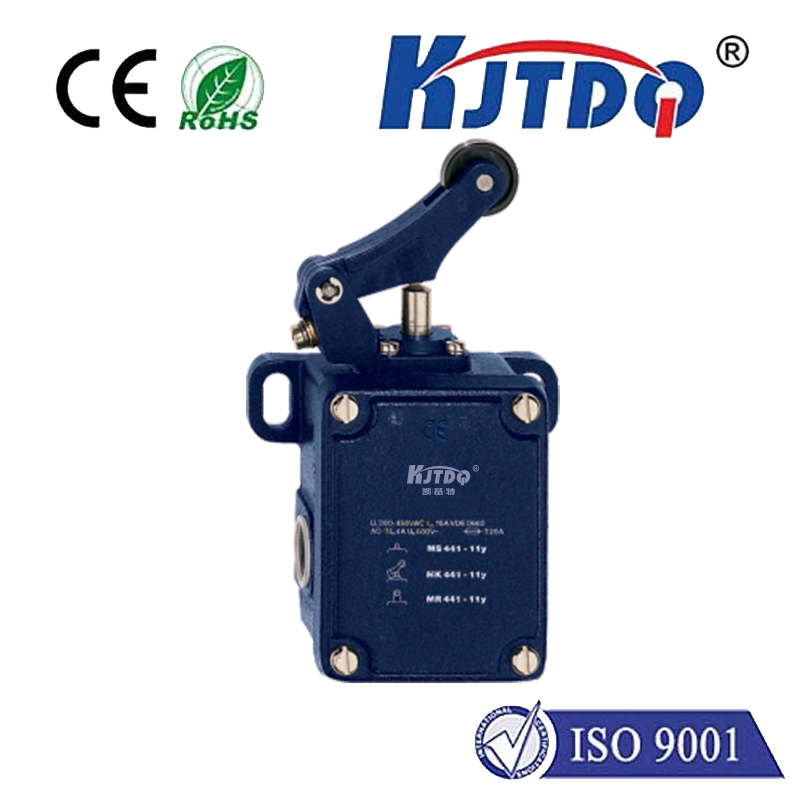
An air curtain limit switch is a safety and control device integrated into air curtain systems. Its primary function is to monitor specific operational conditions, most commonly temperature or airflow, and automatically interrupt the electrical circuit if preset limits are exceeded. Think of it as a sophisticated circuit breaker tailored for the unique demands of air curtain machinery. For instance, in heater-equipped air curtains, a thermal limit switch constantly monitors the heating element's temperature. Should the temperature rise to a dangerous level due to a blockage, fan failure, or electrical fault, the switch immediately cuts power to the heater. This action prevents overheating, which could lead to component meltdown, fire risk, or the release of unpleasant burnt odors. Similarly, some advanced systems employ airflow sensors that act as limit switches. If the airflow drops below a critical threshold—perhaps due to a clogged filter or a failing motor—the switch will shut down the unit to protect the fan motor from strain and overheating.
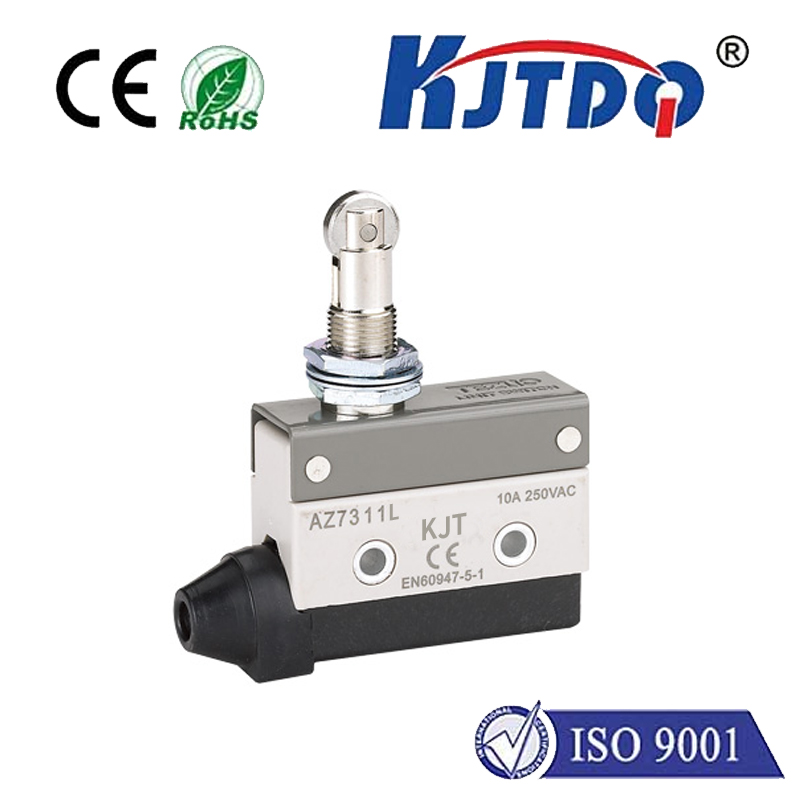
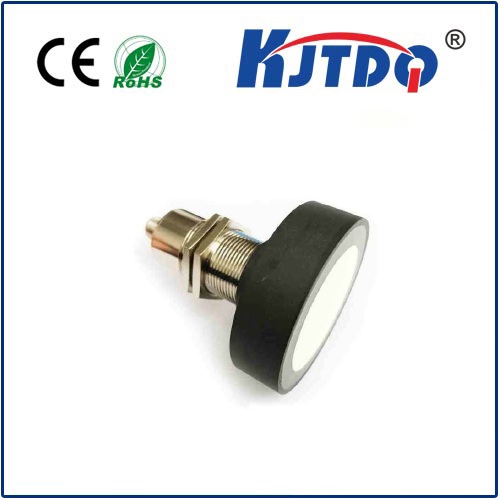
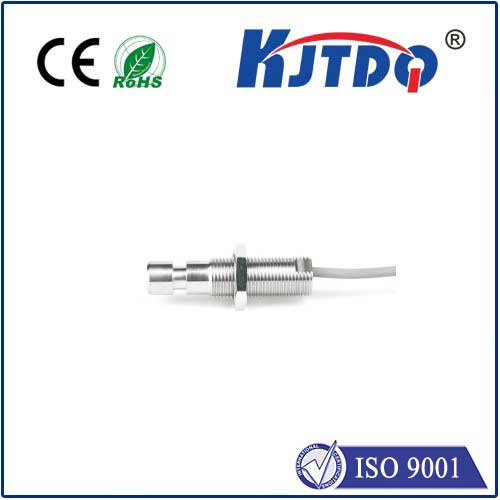
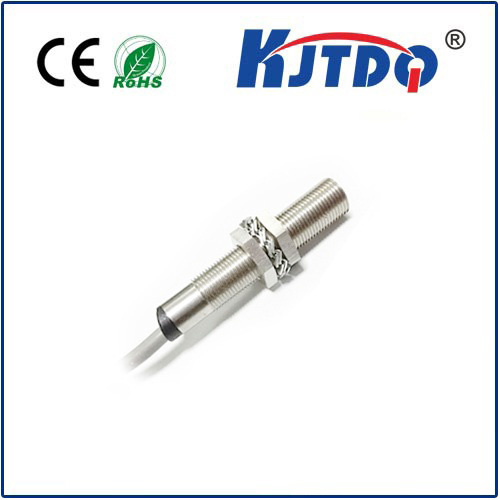
The integration of a high-quality limit switch, such as those represented by the KJTDQ series, brings multifaceted benefits to any installation. Foremost is enhanced safety. By providing a fail-safe mechanism, it significantly reduces the risks associated with electrical fires and equipment damage, protecting both property and personnel. Secondly, it contributes to operational longevity. Preventing extreme operating conditions reduces wear and tear on motors, heating coils, and other internal components, extending the service life of the entire air curtain unit. This translates directly into lower maintenance costs and reduced downtime. Furthermore, it ensures consistent performance. By maintaining optimal operating temperatures, the air curtain can perform its intended function—creating a seamless barrier against insects, dust, and temperature exchange—with maximum efficiency and reliability.
Selecting the appropriate limit switch requires careful consideration. Key factors include the switch's temperature rating or airflow sensing accuracy, its compatibility with the air curtain's voltage and current specifications, its physical size and mounting configuration, and its environmental rating (such as IP rating for dust and moisture resistance). Proper installation by a qualified technician is equally crucial. The switch must be positioned correctly to accurately sense the condition it is meant to monitor, and its set points must be calibrated according to the manufacturer's specifications. Regular testing and maintenance are also recommended to ensure the switch remains responsive and functional over time.
In commercial settings like supermarket entrances, warehouse loading docks, and food processing facilities, where air curtains operate for extended periods, the role of the limit switch becomes indispensable. It works silently in the background, providing peace of mind to facility managers. The KJTDQ series, known for its precision and durability, exemplifies the engineering excellence required for these demanding applications. Its robust design ensures accurate tripping and reliable reset functionality, making it a trusted component in modern HVAC safety systems.
In conclusion, while the air curtain itself is the visible workhorse, the limit switch is its essential protector. Investing in a system equipped with a reliable limit switch like the KJTDQ is not merely a technical specification; it is a strategic decision for safety, efficiency, and long-term operational savings. It ensures that the barrier separating different environments remains a source of comfort and economy, not a point of failure.