Проверка
Проверка
Проверка
Проверка
Проверка
Проверка
In the realm of industrial automation and control systems, precision and reliability are non-negotiable. Among the myriad components that ensure seamless operation, the solenoid limit switch stands out as a critical device for controlling motion and ensuring safety. This article delves into the functionality, applications, and advantages of solenoid limit switches, providing a comprehensive overview for engineers and industry professionals.
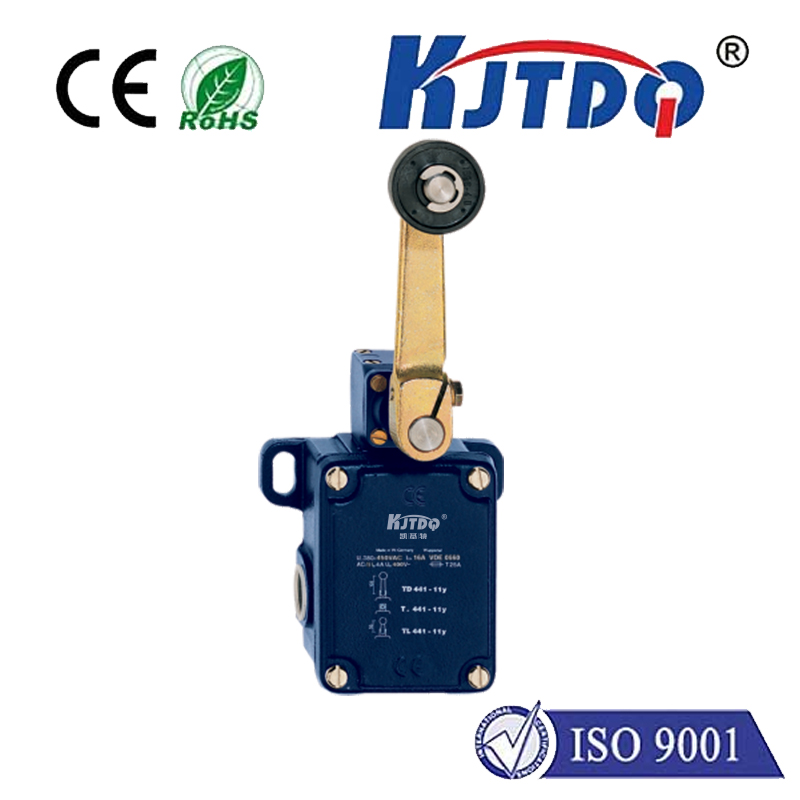
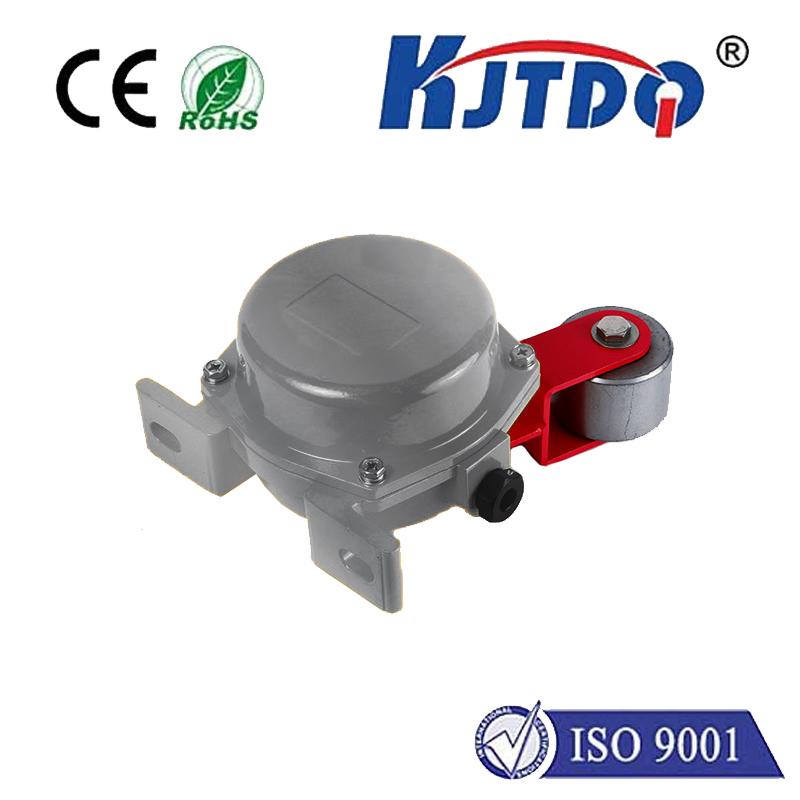
A solenoid limit switch is an electromechanical device that combines a solenoid—an actuator that converts electrical energy into linear motion—with a limit switch, which is designed to detect the presence or absence of an object or to monitor the position of a machine part. When an electrical current is applied to the solenoid coil, it generates a magnetic field that moves a plunger or armature. This mechanical movement then actuates the limit switch contacts, either opening or closing an electrical circuit. This action can be used to start, stop, or change the state of a connected machine or process, making it an essential component for automation control.
The primary role of a solenoid limit switch is to provide precise positional control. In automated machinery, such as conveyor systems, packaging equipment, or robotic arms, it is crucial to know when a moving part has reached a specific point. The solenoid limit switch acts as a sentinel, sending a signal to the control system when a target position is achieved. This prevents over-travel, which could lead to mechanical damage, product waste, or safety hazards. For instance, in a manufacturing line, these switches can ensure that a robotic gripper stops exactly at the correct location to pick up or place a component, enhancing accuracy and repeatability.
Safety is another paramount application. Solenoid limit switches are often integrated into safety interlocks and emergency stop circuits. In scenarios where machine guards are opened or a hazardous condition is detected, the solenoid can be energized to trip the limit switch, immediately cutting power to dangerous moving parts. This failsafe mechanism helps protect personnel and equipment, complying with stringent industrial safety standards like ISO 13849 and IEC 62061.
Durability and environmental resilience are key benefits of modern solenoid limit switches. Designed to withstand harsh industrial environments, they are typically housed in robust enclosures rated for dust, moisture, and chemical exposure (e.g., IP67 ratings). The internal components are engineered for millions of operational cycles, ensuring long-term reliability with minimal maintenance. This robustness translates to reduced downtime and lower total cost of ownership, a significant consideration for continuous production facilities.
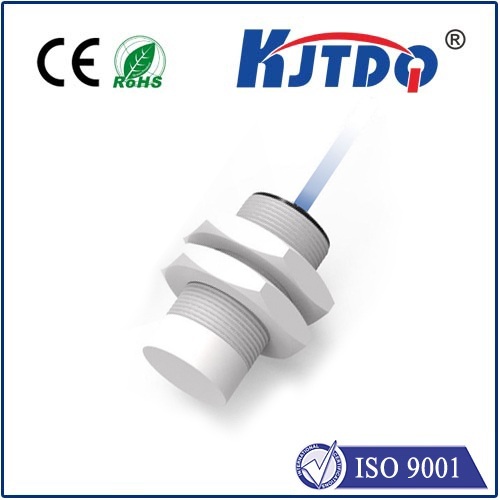
When selecting a solenoid limit switch, several factors come into play. The operating voltage (AC or DC), force of the solenoid, switching capacity (current and voltage ratings of the contacts), and mechanical life are critical specifications. Additionally, the type of limit switch—whether it's a basic mechanical switch, a proximity sensor, or an encoder-based system—should match the application's precision requirements. For high-speed operations, the response time of the solenoid and switch must be fast enough to keep pace with the machine cycle.
Integration with modern control systems, such as PLCs (Programmable Logic Controllers) and IoT (Internet of Things) platforms, has further expanded the capabilities of solenoid limit switches. They can provide real-time feedback on machine status, enabling predictive maintenance and data analytics. By monitoring the number of actuations or detecting abnormal operation patterns, potential failures can be anticipated before they cause unplanned stoppages, contributing to smarter, more efficient factories.
In summary, the solenoid limit switch is a versatile and indispensable component in automation. Its ability to merge electrical control with mechanical actuation offers precise positioning, enhanced safety, and reliable performance. As industries continue to advance toward greater automation and connectivity, understanding and leveraging these devices will remain crucial for optimizing processes and maintaining competitive edge. For engineers and system designers, choosing the right solenoid limit switch involves careful consideration of technical specs and operational demands to ensure seamless integration and peak performance.