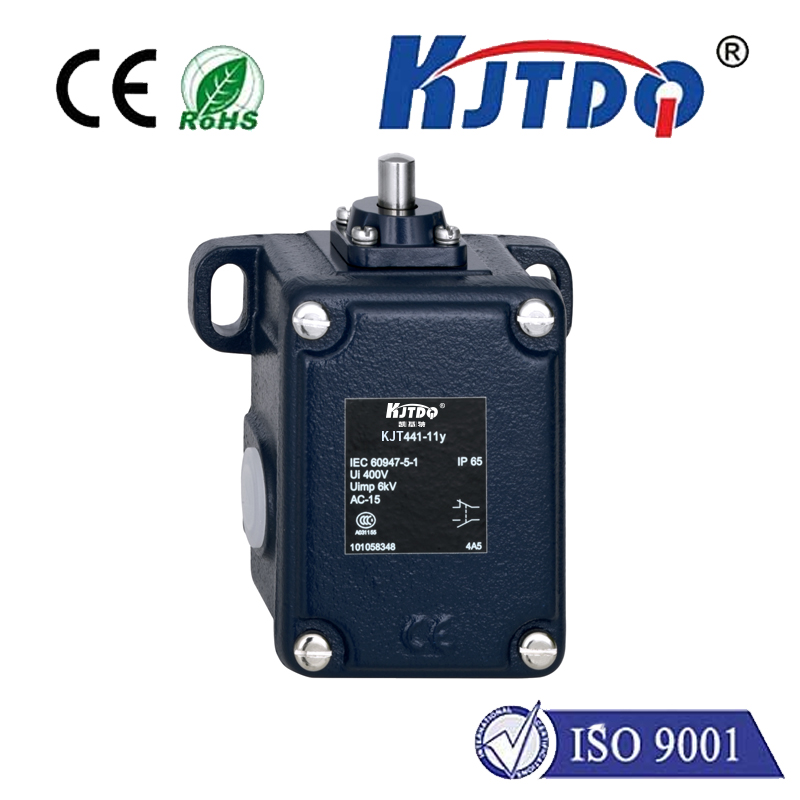
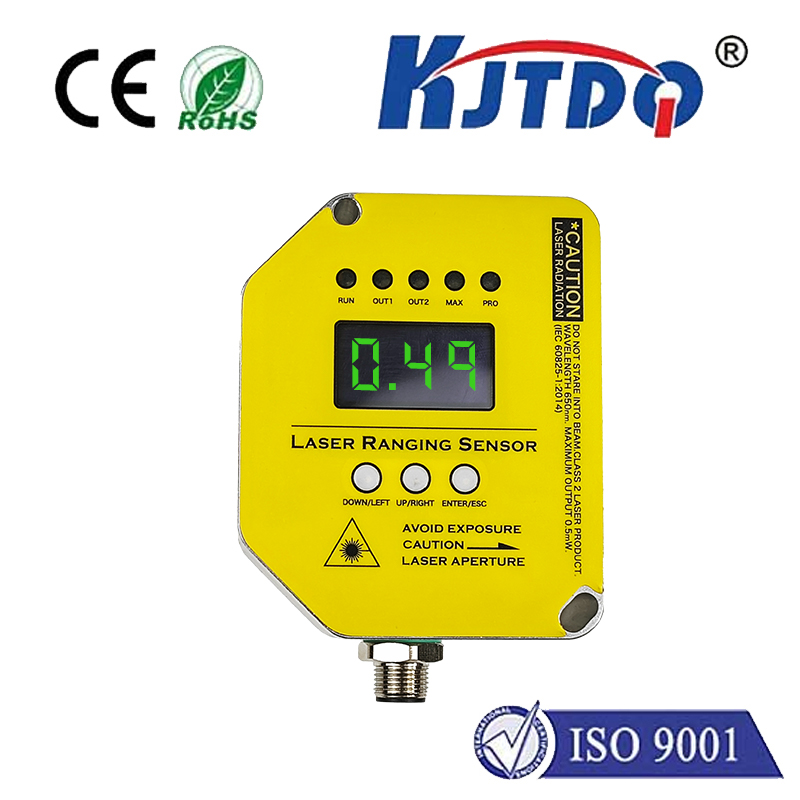
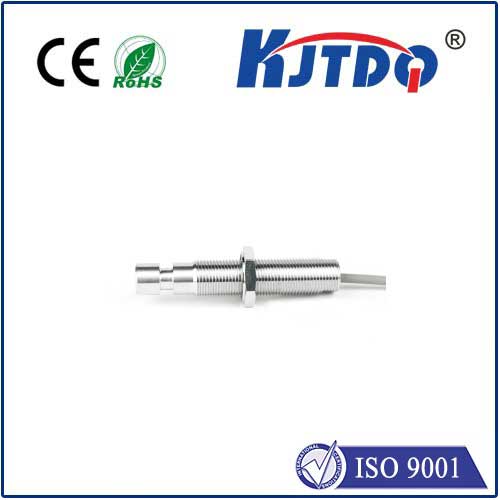
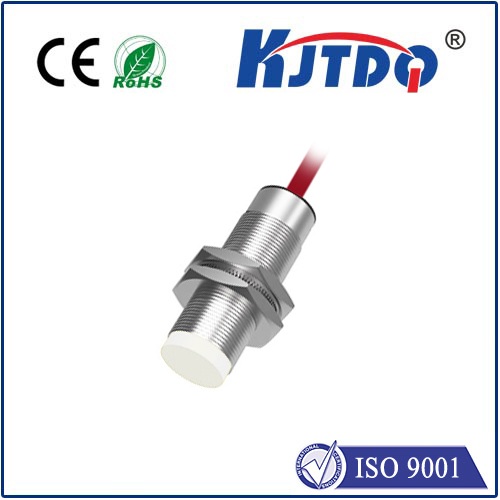
In the realm of industrial automation, precision, reliability, and efficiency are paramount. Among the myriad components that ensure seamless operations, the photoelectric limit switch stands out as a critical sensor technology. This device, often integrated into complex machinery and production lines, plays a pivotal role in object detection, positioning, and safety control. Unlike traditional mechanical limit switches that require physical contact, photoelectric switches operate using light beams, offering non-contact sensing that minimizes wear and tear, reduces maintenance needs, and enhances operational longevity.
The fundamental principle behind a photoelectric limit switch involves the emission of a light beam—typically infrared, visible red, or laser—from a transmitter to a receiver. When an object interrupts this beam, the receiver detects the change in light intensity, triggering an electrical signal that can start, stop, or alter a machine's function. This simple yet effective mechanism allows for high-speed detection with remarkable accuracy, capable of sensing objects regardless of their material composition, color, or surface texture, provided they affect the light path. Common configurations include through-beam, retro-reflective, and diffuse reflective models, each suited to specific applications based on sensing distance and environmental conditions.
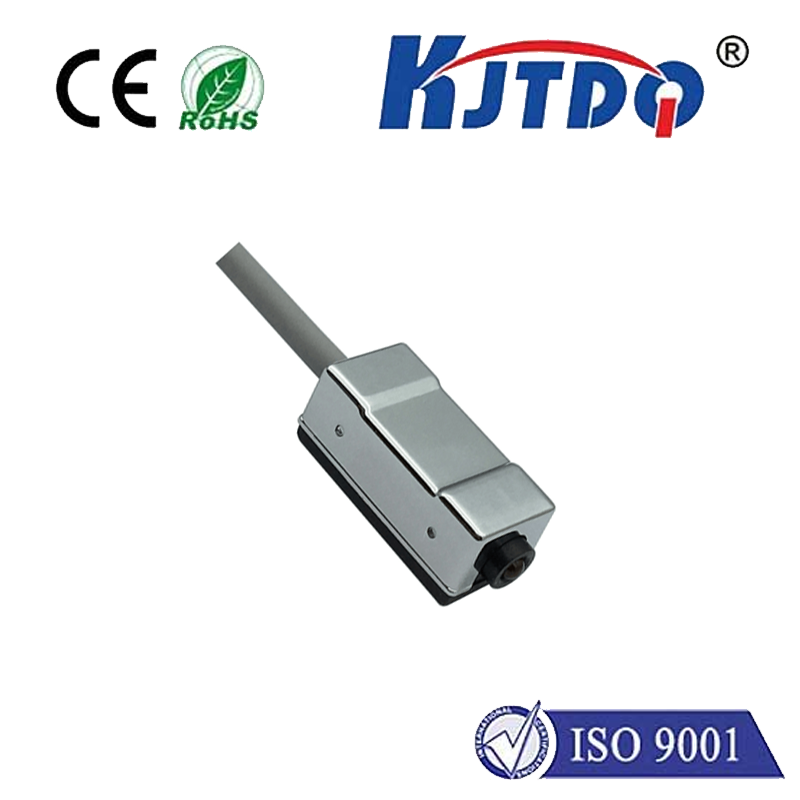
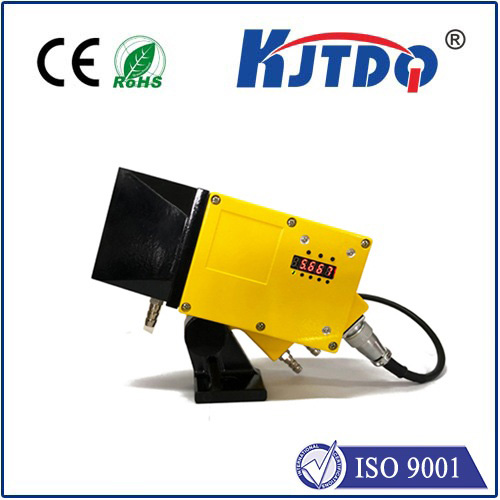
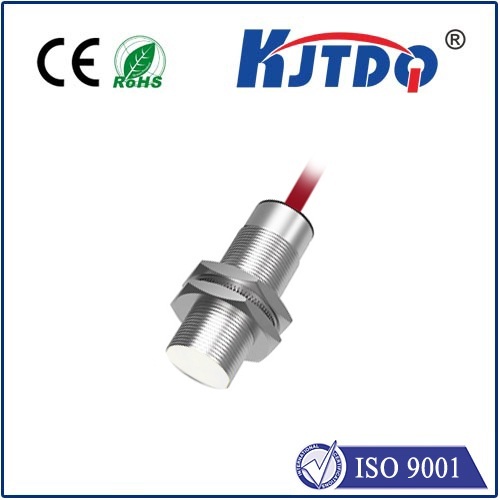
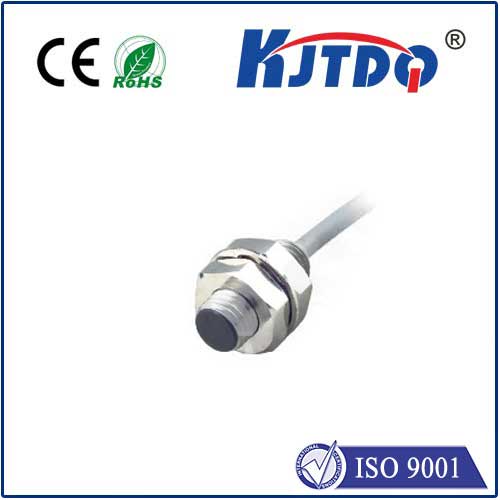
The integration of photoelectric limit switches, such as those in the KJTDQ series, brings transformative benefits to automation systems. In manufacturing, they are indispensable for tasks like counting products on conveyor belts, detecting the presence of components in assembly lines, or ensuring precise positioning in robotic arms. For instance, in packaging machinery, these switches can verify that items are correctly aligned before sealing, preventing jams and reducing waste. In material handling, they facilitate automated sorting by identifying objects as they pass through designated points. Their non-contact nature is particularly advantageous in harsh environments where dust, moisture, or vibrations might compromise mechanical switches, ensuring consistent performance without physical degradation.
Safety is another crucial area where photoelectric limit switches excel. They are often employed as safety interlocks in machinery guards, where breaking the light beam immediately halts operation to protect workers from hazards. This application is vital in industries like automotive manufacturing or heavy equipment, where human-machine interaction poses risks. Moreover, their fast response time—often in milliseconds—makes them ideal for emergency stop systems, enhancing workplace safety protocols and compliance with international standards like ISO 13849.
When selecting a photoelectric limit switch, factors such as sensing range, response speed, environmental resistance, and output type must be considered. The KJTDQ series, for example, is designed to meet diverse industrial needs, featuring robust housings that withstand temperature fluctuations, IP-rated protection against dust and water ingress, and adjustable sensitivity for fine-tuning. Modern advancements have also led to the development of background suppression models, which can ignore distant objects or reflective surfaces, reducing false triggers in complex settings. Additionally, connectivity options like PNP/NPN outputs or IO-Link compatibility allow for seamless integration with PLCs (Programmable Logic Controllers) and IoT (Internet of Things) networks, enabling smarter, data-driven automation.
In practice, the deployment of photoelectric limit switches requires careful installation and alignment to ensure optimal performance. Regular maintenance, though minimal, involves cleaning lenses to prevent dirt buildup that could scatter light beams, and periodic testing to verify signal integrity. As industries evolve toward Industry 4.0, these switches are becoming more intelligent, with built-in diagnostics that alert operators to potential issues before they cause downtime. This proactive approach supports predictive maintenance strategies, reducing operational costs and boosting overall productivity.
Ultimately, the photoelectric limit switch is more than just a sensor; it is a cornerstone of modern automation, driving efficiency, accuracy, and safety across sectors from food processing to pharmaceuticals. By leveraging light-based technology, it offers a reliable, non-invasive solution that adapts to dynamic industrial landscapes. As demand for automation grows, innovations in photoelectric sensing, exemplified by products like KJTDQ, will continue to push boundaries, enabling smarter factories and more resilient supply chains. For engineers and system integrators, understanding and utilizing these switches is key to building robust, future-ready automation systems that thrive in competitive markets.