Проверка
Проверка
Проверка
Проверка
Проверка
Проверка
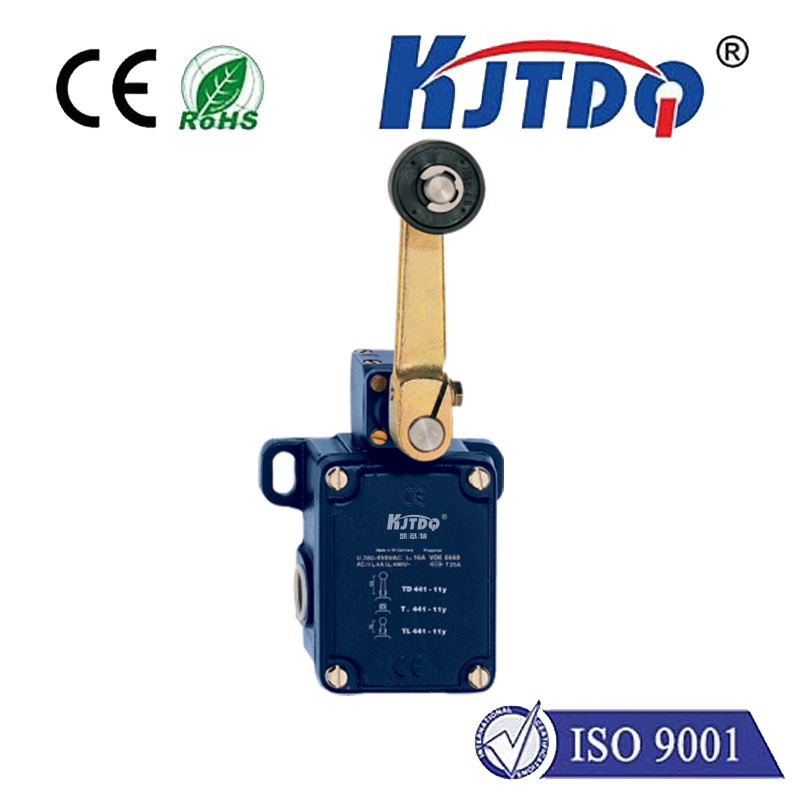
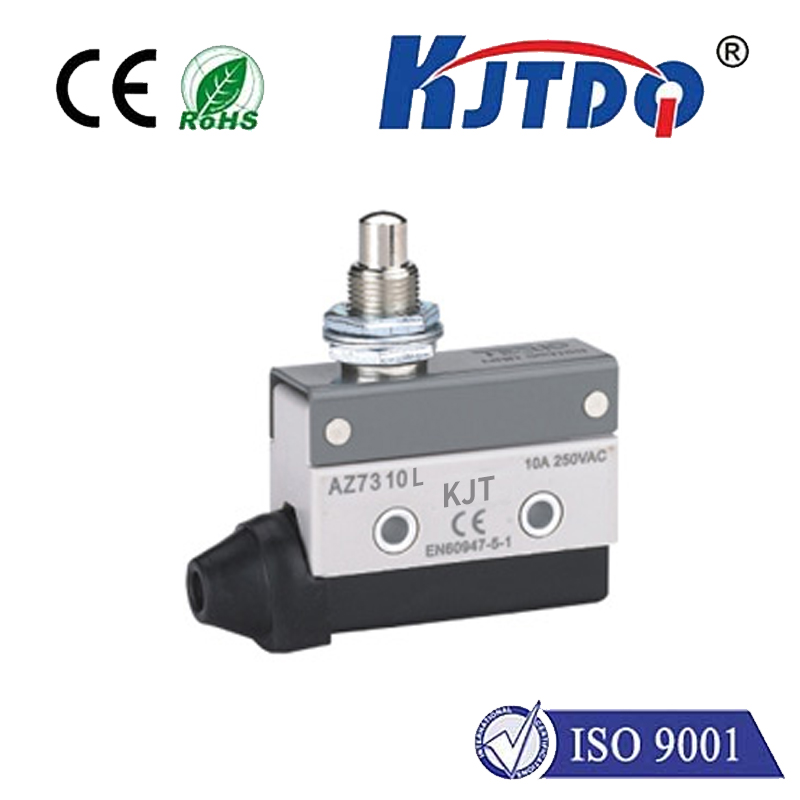
Mechanical limit switches are fundamental components in industrial automation and control systems. These devices serve as critical safety and operational tools by detecting the presence or absence of an object, or by monitoring the position of machinery. Typically, a mechanical limit switch consists of an actuator linked to a set of contacts. When an object makes physical contact with the actuator, it triggers the contacts to either open or close an electrical circuit. This simple yet effective mechanism allows for precise control over machine movements, preventing over-travel, enabling sequencing, and ensuring safe operation in various applications.
The working principle of a mechanical limit switch is straightforward. The actuator—often a lever, roller, or plunger—is mechanically moved by the target object. This movement causes the internal contacts to change state, sending a signal to the control system. For instance, in a conveyor system, a limit switch can halt the belt when a product reaches a specific point. In manufacturing, these switches might ensure a robotic arm stops at the correct position, avoiding collisions or damage. Their reliability stems from direct physical actuation, which reduces the risk of false triggers compared to some non-contact sensors, though it may involve wear over time due to mechanical contact.
One of the key advantages of mechanical limit switches is their durability and simplicity. They are designed to withstand harsh industrial environments, including exposure to dust, moisture, and temperature variations. Many models feature robust housings made from metals or industrial-grade plastics, ensuring long service life even in demanding conditions. Additionally, their electrical ratings can handle significant loads, making them suitable for directly controlling motors or other high-power devices without needing intermediaries like relays in some cases. This direct control capability simplifies system design and can reduce overall costs.
Applications of mechanical limit switches span numerous industries. In the automotive sector, they are used in assembly lines to position components accurately. In packaging machinery, they detect product presence and control filling operations. Elevators rely on limit switches to stop at correct floor levels and prevent over-travel. Even in everyday appliances like washing machines, simple limit switches ensure the lid is closed before operation. Their versatility is enhanced by various actuator types; for example, roller lever switches are ideal for detecting moving parts, while plunger switches suit precise linear movements.
When selecting a mechanical limit switch, several factors should be considered. The operating environment dictates the need for features like waterproof or explosion-proof enclosures. Electrical requirements, such as voltage and current ratings, must match the application to avoid failures. Actuator style and contact configuration (normally open or normally closed) are chosen based on the specific control logic. Maintenance is also crucial; regular inspection for wear or misalignment can prevent downtime. Despite the rise of proximity sensors and photoelectric switches, mechanical limit switches remain popular due to their cost-effectiveness, ease of installation, and straightforward troubleshooting.
In summary, mechanical limit switches play an indispensable role in automation by providing reliable position detection and safety functions. Their mechanical actuation offers a tangible, proven solution for control systems, balancing performance with affordability. As technology evolves, these switches continue to be integrated with digital systems, ensuring their relevance in modern industrial setups. For engineers and technicians, understanding their operation and selection criteria is essential for optimizing machinery performance and safety.