Проверка
Проверка
Проверка
Проверка
Проверка
Проверка
In industries where precision is non-negotiable and conditions are unforgiving, the choice of measurement technology can define the success of an operation. The IP67 laser distance sensor has emerged as a cornerstone tool, bridging the gap between demanding environmental challenges and the need for reliable, accurate data. This guide delves into the core of what makes these sensors indispensable, moving beyond basic specifications to explore their transformative impact.
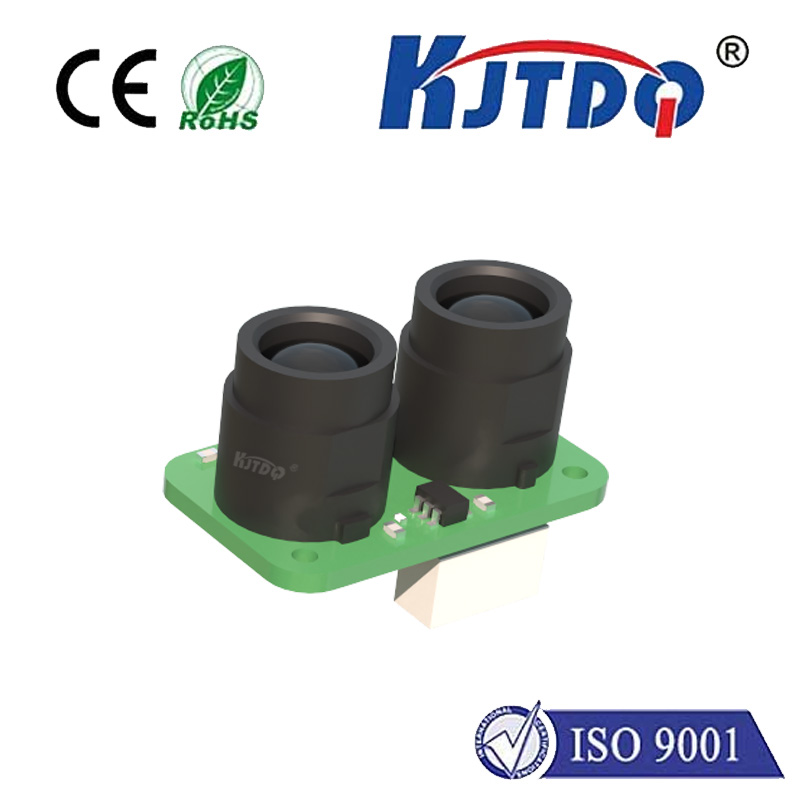
At its heart, an IP67-rated laser distance sensor utilizes a focused laser beam to determine the distance to a target. The principle of time-of-flight or phase-shift measurement ensures high accuracy, often down to the millimeter level, over significant ranges. However, the true differentiator is the "IP67" designation. This Ingress Protection rating signifies a robust defense against the elements. The "6" indicates complete protection against dust ingress, making the sensor impervious to fine particulate matter common in construction, mining, and agricultural settings. The "7" certifies the ability to withstand temporary immersion in water up to 1 meter for 30 minutes. This resilience translates directly to operational continuity in outdoor applications, wash-down environments in food processing, or dusty manufacturing floors where lesser equipment would fail.
The practical applications are vast and critical. In construction and civil engineering, these sensors enable precise monitoring of structural deformations, excavation depths, and material levels in silos, regardless of rain or dust. Within automated production lines, particularly in automotive or heavy machinery, they provide non-contact measurement for robotic guidance, part positioning, and quality control, surviving routine high-pressure cleaning. Logistics and warehousing leverage them for pallet dimensioning, vehicle guidance in automated storage and retrieval systems (AS/RS), and inventory management, where consistent performance in unregulated environments is key. Furthermore, in agricultural automation, they guide machinery and monitor crop levels, enduring mud, moisture, and temperature variations.
Selecting the right IP67 laser distance sensor requires careful consideration of several parameters beyond the environmental rating. Measurement range and accuracy are primary; a sensor must cover the required working distance with an acceptable tolerance for the task. The response time, or how quickly it takes and outputs a measurement, is crucial for high-speed automation processes. The type of output interface—whether analog voltage/current, discrete switches, or digital protocols like RS-485 or IO-Link—must integrate seamlessly with existing control systems. Beam quality and target material compatibility are also vital, as dark or highly reflective surfaces can affect performance. Finally, mechanical design factors like housing size, mounting options, and alignment aids (such as a visible pilot laser) significantly ease installation and maintenance.
The integration of such a sensor into an industrial ecosystem marks a shift from manual, error-prone methods to automated, data-driven precision. It reduces downtime caused by sensor failure, minimizes material waste through accurate measurement, and enhances overall system safety and efficiency. The data provided can feed into supervisory control and data acquisition (SCADA) systems, enabling predictive maintenance and process optimization. This isn't merely about measuring distance; it's about injecting reliability and intelligence into the very core of industrial operations.
Looking ahead, the evolution of the IP67 laser distance sensor is intertwined with broader Industry 4.0 trends. Future iterations will likely feature enhanced connectivity for easier integration into the Industrial Internet of Things (IIoT), smarter onboard diagnostics, and even more robust designs for extreme temperatures and chemical exposure. The goal remains constant: to deliver unwavering precision where it is needed most, turning harsh environmental constraints into manageable variables. For engineers and project managers, understanding and deploying this technology is not just an equipment choice—it's a strategic investment in resilience, accuracy, and long-term operational excellence.