In the world of industrial automation, precision, reliability, and durability are non-negotiable. Among the myriad of components that ensure seamless operation, the inductive limit switch stands out as a fundamental sensor technology. Unlike mechanical limit switches that require physical contact, inductive switches operate on a contactless principle, offering significant advantages in harsh environments.
An inductive limit switch is a type of proximity sensor. Its core function is to detect the presence or absence of a metallic target without any physical touch. The working principle is based on electromagnetic induction. Inside the switch housing, an oscillator generates a high-frequency electromagnetic field that radiates from the active face of the sensor. When a ferrous or non-ferrous metal object enters this field, eddy currents are induced on the surface of the target. This causes a change in the oscillation amplitude within the sensor. An evaluation circuit within the switch detects this change and triggers a solid-state output signal, effectively switching the output state from "off" to "on" or vice versa.
This contactless detection method is the source of its primary benefits. The absence of moving parts that make physical contact translates to exceptionally long service life, as there is no mechanical wear and tear. This makes inductive limit switches ideal for high-cycle applications where a mechanical switch would quickly fail. They are also inherently robust, typically housed in metal or high-grade plastic casings with high Ingress Protection (IP) ratings. This allows them to perform reliably in conditions filled with dust, oil, coolant, and other contaminants that would jam or corrode mechanical contacts. Their sealed nature also makes them resistant to vibration and shock, common in manufacturing and heavy machinery.
The applications for inductive limit switches are vast and critical across industries. In automotive manufacturing, they are used for precise position detection of robotic arms, end-of-stroke detection for cylinders, and confirming the presence of metal parts on conveyor lines. Within packaging machinery, they ensure film or product positioning is correct before a sealing or cutting operation. In metalworking and CNC machining centers, these switches provide tool position verification, pallet change confirmation, and door interlock safety. They are also ubiquitous in material handling systems for monitoring the position of cranes, elevators, and automated guided vehicles (AGVs), ensuring movements are within safe limits.
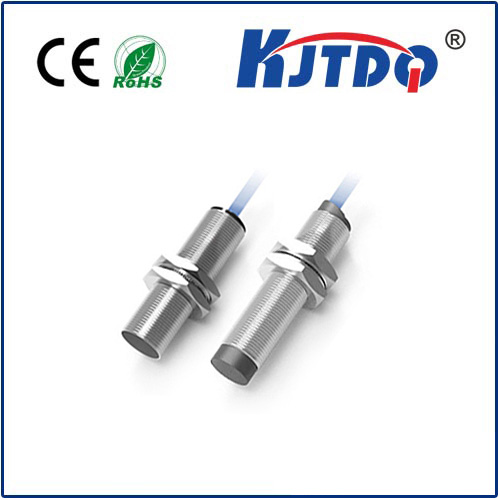
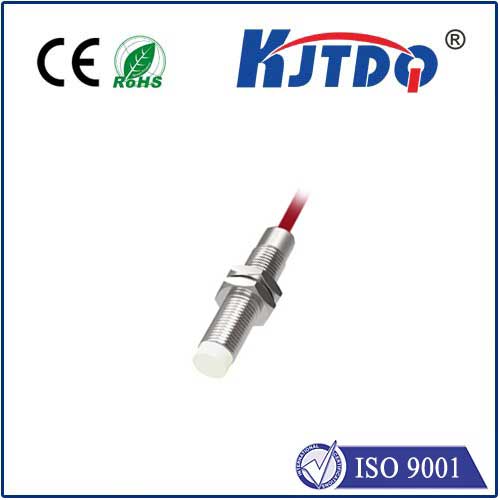
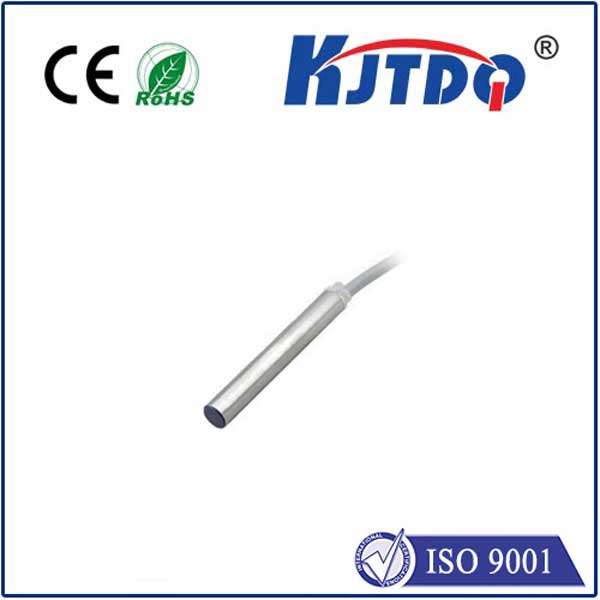
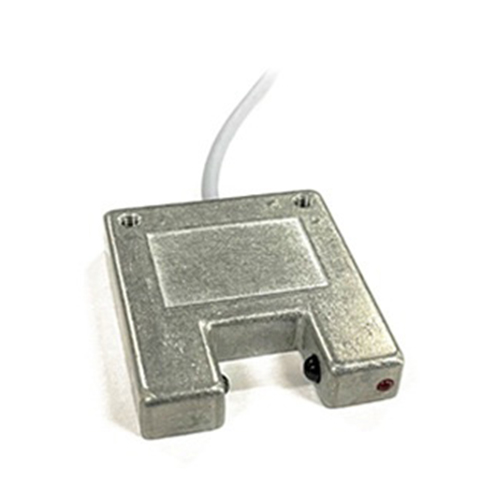
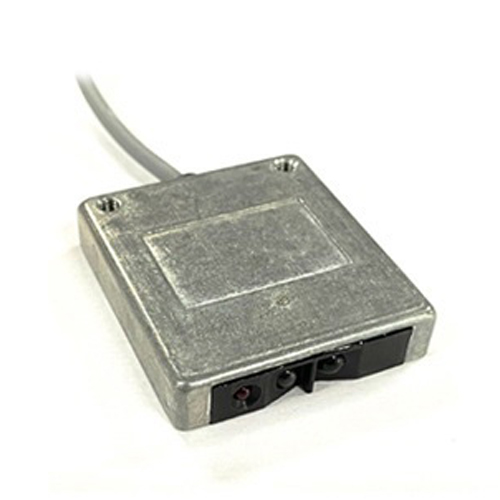
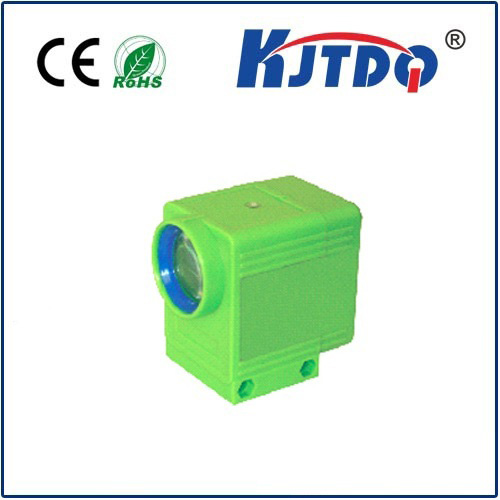
When selecting an inductive limit switch for a specific application, several key specifications must be considered. The sensing distance, or nominal range, is crucial and varies by model and target material. It's important to note that the effective sensing range for stainless steel or aluminum is often less than for mild steel. The housing style is another critical factor; cylindrical forms (e.g., M8, M12, M18, M30 threaded barrels) are common for easy installation, while rectangular or block-style housings are used where space is constrained. The output type must match the control system; options include DC 3-wire (NPN sinking or PNP sourcing), AC, or AC/DC configurations, with some offering analog or IO-Link capabilities for advanced diagnostics. Finally, the electrical connection—whether pre-wired cable, quick-disconnect connector, or terminal block—impacts installation and maintenance ease.
Installation and environmental factors play a significant role in performance. The switch must be mounted securely to prevent misalignment. A minimum lateral distance between multiple sensors is required to prevent mutual interference. The presence of strong electromagnetic fields or adjacent metal structures (aside from the target) can influence the sensing range and must be accounted for during design. Regular maintenance, though minimal, involves checking for physical damage, ensuring clean sensing faces free of metal debris buildup, and verifying electrical connections.
In summary, the inductive limit switch is a cornerstone of modern industrial sensing. Its contactless, wear-free operation provides unmatched reliability in demanding conditions, from clean assembly rooms to gritty foundry floors. By offering precise, non-contact detection of metal objects, it enhances machine safety, optimizes process control, and significantly reduces downtime associated with mechanical switch failure. For engineers and system integrators, understanding its principles and proper application is key to building resilient and efficient automated systems that stand the test of time and rigorous operation.