Проверка
Проверка
Проверка
Проверка
Проверка
Проверка
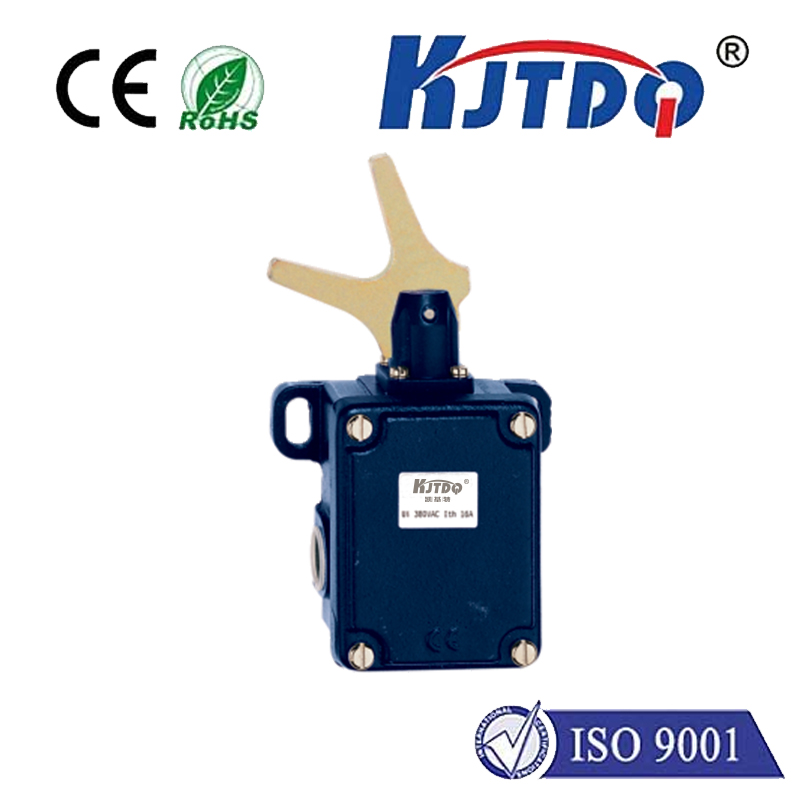
In the demanding world of industrial material handling, Electric Overhead Traveling (EOT) cranes are the workhorses of factories, warehouses, and construction sites. Their reliable operation is paramount for both productivity and, more critically, workplace safety. At the heart of ensuring this reliable and safe operation lies a crucial yet often understated component: the rotary limit switch. Specifically designed for the rigorous demands of crane systems, a high-quality rotary limit switch for EOT crane applications is not an accessory but a fundamental necessity.
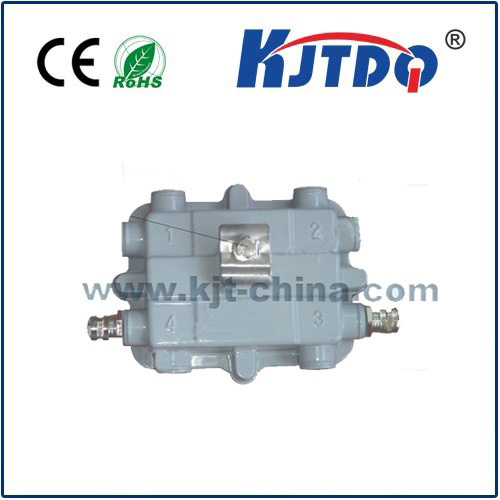
Unlike simple on/off switches, a rotary limit switch is an electromechanical device engineered to precisely control the travel limits of a crane's hoisting and traversing motions. It functions by being mechanically linked to the crane's movement—for instance, through a chain and sprocket system connected to the crane's travel wheel or drum. As the crane moves, it rotates the camshaft inside the limit switch. This shaft is fitted with adjustable cams that, at pre-set rotational positions, actuate micro-switches to send electrical signals. These signals are programmed to cut power to the drive motors at the exact moment the crane or its hook reaches the desired upper, lower, or end-point travel limits.
The implementation of a robust rotary limit switch system on an EOT crane delivers a multitude of indispensable benefits. Foremost is the enhancement of operational safety. By providing fail-safe mechanical limits, it prevents catastrophic over-travel incidents that could lead to the hook colliding with the crane bridge, the load block being overwound, or the crane itself crashing into the runway ends. This directly protects personnel, the load, and the crane structure from severe damage. Furthermore, it introduces a critical layer of redundancy to electronic control systems, which can be susceptible to sensor failure or programming errors.
Beyond safety, precision is a key advantage. These switches allow for incredibly accurate positioning of the crane and its hook. Operators can set multiple control points along the travel path, enabling automated sequences or ensuring the load is consistently positioned at the correct pickup and drop-off locations. This repeatability boosts efficiency, reduces cycle times, and minimizes product damage caused by improper handling. The mechanical nature of these switches also offers remarkable durability and reliability in harsh industrial environments characterized by dust, moisture, vibration, and temperature fluctuations, where purely electronic sensors might falter.
When selecting a rotary limit switch for an EOT crane, several technical specifications demand careful consideration. The switch must have an adequate number of cam positions and switching elements to manage all required control functions—hoist up/hoist down, bridge forward/backward, and trolley travel. The enclosure's Ingress Protection (IP) rating is vital to ensure it can withstand the specific environmental conditions of the facility, such as dust (IP65) or water jets (IP67). The mechanical life expectancy, often rated in millions of cycles, should align with the crane's duty cycle. Additionally, the switch should offer features like easy cam adjustment without the need for special tools, clear visual indicators for cam settings, and robust construction from materials like die-cast aluminum or stainless steel for longevity.
Proper installation, calibration, and maintenance are non-negotiable for optimal performance. The switch must be correctly geared to the crane's movement to ensure a direct and accurate correlation between travel distance and camshaft rotation. After installation, each cam must be meticulously adjusted to trigger its associated micro-switch at the precise point corresponding to the crane's required travel limit. A routine inspection and testing regimen is essential. This includes checking for loose connections, verifying the mechanical linkage for wear or slippage, testing the actuation of all limit points, and ensuring the cams have not moved from their set positions. Preventive maintenance schedules help identify issues like worn gears or aging micro-switches before they lead to a failure.
In conclusion, the rotary limit switch is the silent guardian of EOT crane operations. It is a sophisticated piece of engineering that translates physical movement into reliable electrical control, forming the backbone of a safe and efficient material handling system. Investing in a well-designed, properly specified, and meticulously maintained rotary limit switch is an investment in asset protection, operational continuity, and, most importantly, human safety. For any facility relying on overhead cranes, understanding and prioritizing this critical component is a fundamental step toward achieving peak operational excellence and maintaining an incident-free workplace.