In industrial automation and robotics, achieving precise motion control is paramount. DC motors are widely used for their reliability and ease of control, but without proper regulation, they can overrun or stall, leading to equipment damage or operational inefficiencies. This is where DC motor limit switches come into play, serving as critical components that define the boundaries of motion and ensure safe, accurate operation.
A DC motor limit switch is an electromechanical device designed to detect the presence or position of a moving part and signal the motor to stop or change direction once a predetermined limit is reached. These switches are integral to systems requiring repetitive linear or rotary movements, such as conveyor belts, CNC machines, and automated assembly lines. By preventing over-travel, they protect mechanical components from wear and tear, reduce downtime, and enhance overall system longevity.
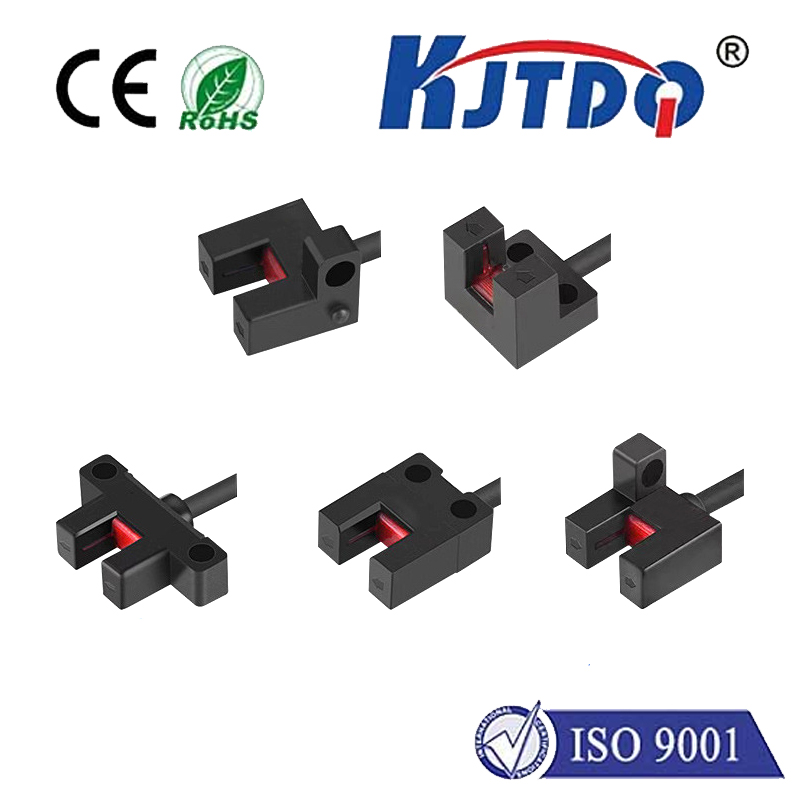
There are various types of limit switches compatible with DC motors, including lever-arm, plunger, and roller designs, each suited to specific applications. For instance, lever-arm switches are ideal for detecting objects in a wide range, while plunger switches offer precise detection in confined spaces. The selection depends on factors like environmental conditions, required actuation force, and mounting constraints. In harsh industrial settings, sealed or ruggedized limit switches are available to withstand dust, moisture, and extreme temperatures, ensuring consistent performance.
Integrating a limit switch with a DC motor involves connecting it to the motor's control circuit. When the motor-driven mechanism contacts the switch actuator, it triggers an electrical signal that interrupts power or reverses the motor direction. This simple yet effective feedback loop allows for automated control without manual intervention, boosting productivity and safety. Advanced systems may incorporate programmable logic controllers (PLCs) to manage multiple limit switches, enabling complex sequences and real-time adjustments.
One key advantage of using DC motor limit switches is their cost-effectiveness. Compared to sophisticated sensors like encoders or proximity sensors, limit switches are affordable and easy to install, making them accessible for small-scale operations or budget-conscious projects. They also offer high reliability with minimal maintenance, as their mechanical nature provides tangible feedback that is less prone to electronic interference. However, users should consider potential mechanical wear over time and opt for quality switches with durable contacts to avoid frequent replacements.
In practice, applications abound. In 3D printers, limit switches home the print head to a reference position before each job, ensuring layer alignment. In garage door openers, they prevent the door from over-closing or over-opening, safeguarding against damage. Even in renewable energy systems, such as solar panel trackers, limit switches help panels follow the sun's path within safe angles. By incorporating these switches, engineers can design systems that operate with repeatable accuracy, meeting stringent industry standards.
To maximize benefits, proper installation and calibration are essential. The switch should be positioned so that the actuator engages smoothly without excessive force, and the wiring must comply with electrical codes to prevent short circuits. Regular inspections can detect early signs of wear, such as loose connections or corroded parts, allowing for timely maintenance. Additionally, pairing limit switches with soft-start or braking mechanisms can reduce impact stress on the motor, further extending equipment life.
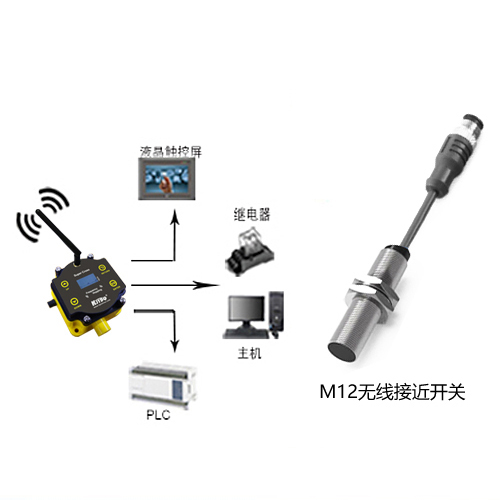
Looking ahead, innovations in smart manufacturing are driving the evolution of limit switches. Some modern versions feature wireless connectivity or IoT integration, enabling remote monitoring and diagnostics. While DC motors remain a staple in many industries, the synergy with limit switches continues to evolve, supporting trends toward automation and precision engineering. Whether in simple DIY projects or complex industrial setups, these components prove indispensable for controlled motion.
In summary, DC motor limit switches are unsung heroes in motion control systems, offering a straightforward solution to enhance safety, accuracy, and efficiency. By understanding their types, applications, and integration methods, users can leverage them to optimize performance across diverse fields, from manufacturing to consumer electronics. As technology advances, their role may adapt, but the fundamental principle of providing reliable limits will remain crucial for automated operations.