In the demanding world of industrial automation, where precision and reliability are non-negotiable, the humble limit switch plays a pivotal role. Among the trusted names in this critical component category, the NLLA limit switch stands out for its robust performance in controlling machinery movement and ensuring operational safety. This guide delves into the essential features, applications, and benefits of utilizing NLLA limit switches in modern industrial settings.
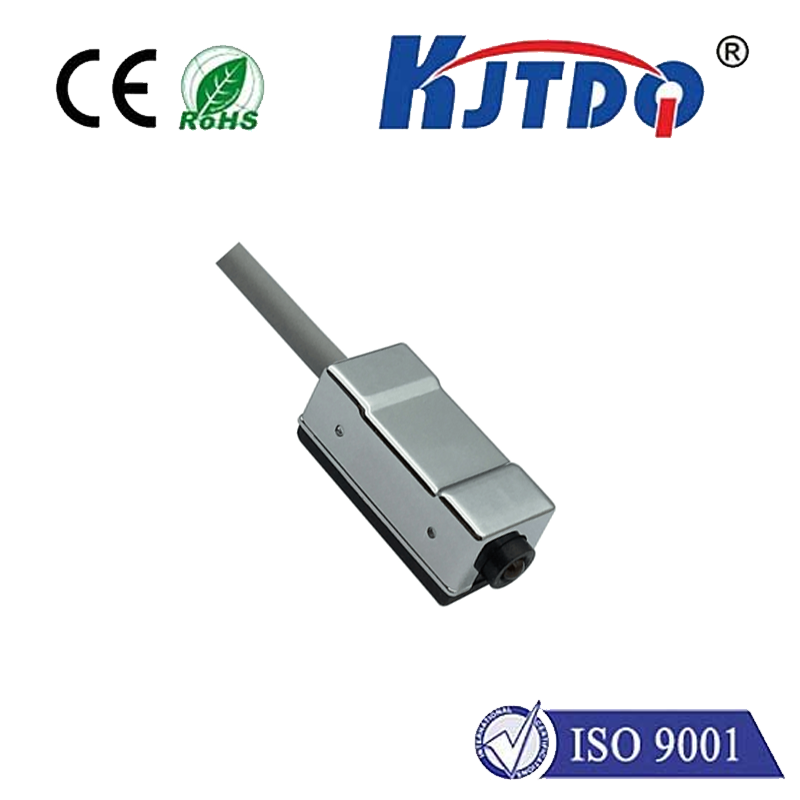
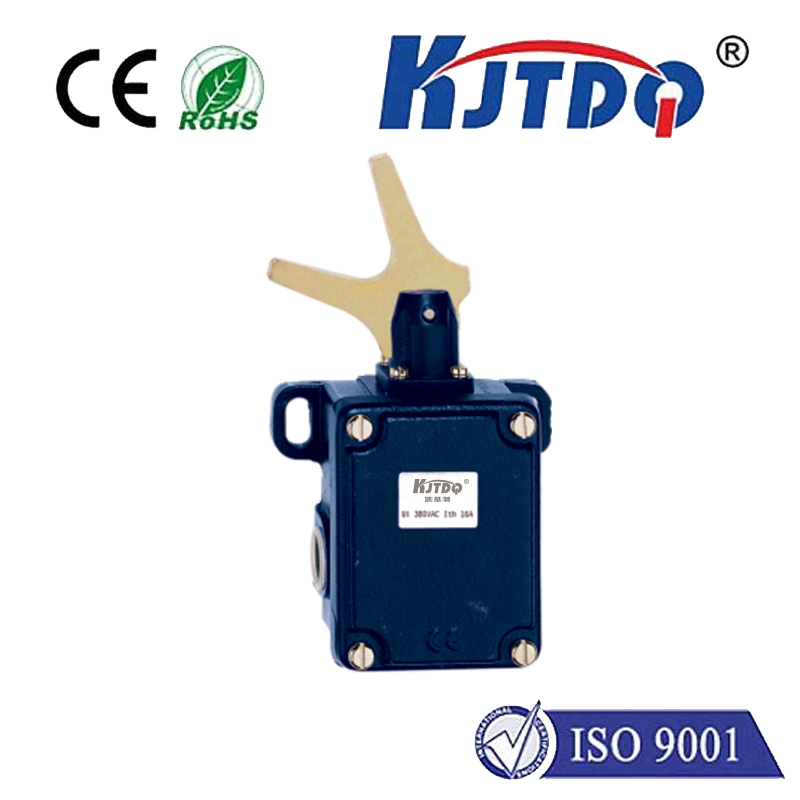
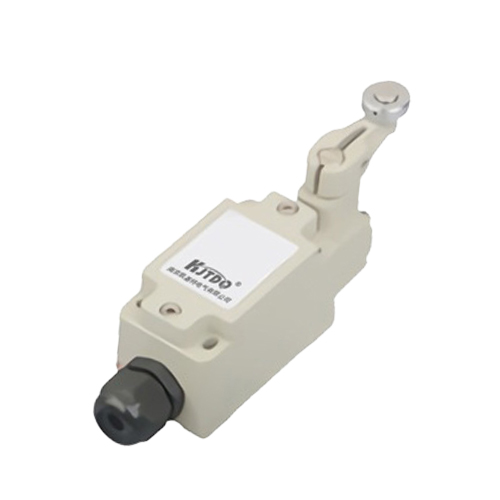
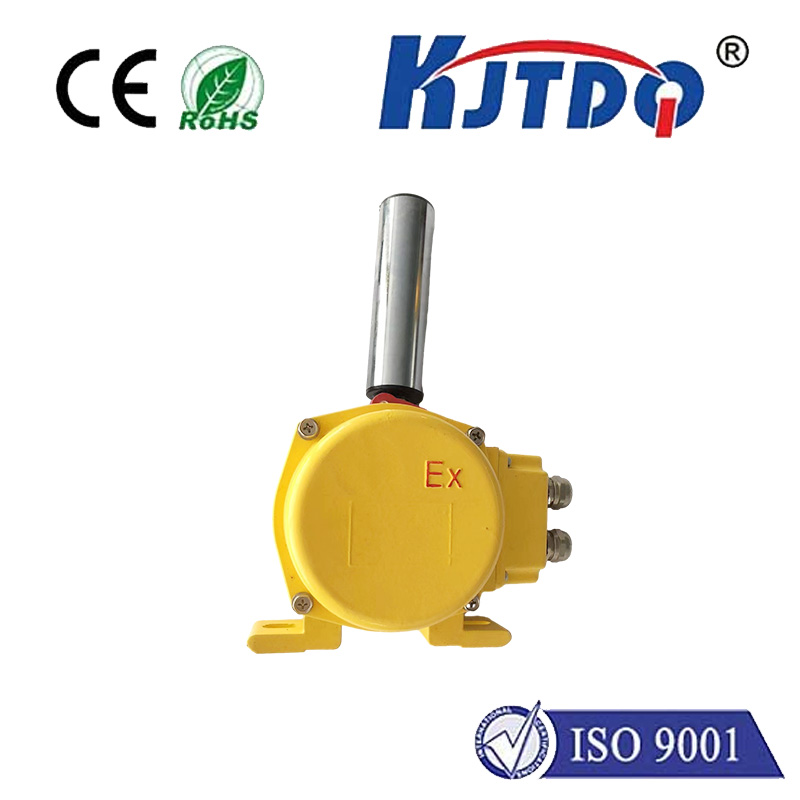
At its core, an NLLA limit switch is a precision electromechanical device designed to detect the presence or absence of an object, or to monitor the limits of travel of a machine part. Its primary function is to convert mechanical motion into an electrical control signal. This signal can then be used to stop, start, or alter the sequence of operations in a machine, forming a fundamental building block of automated control systems. The "NLLA" designation typically refers to a specific series known for a compact, sealed design, often featuring a robust metal housing, a precision roller lever actuator, and reliable snap-action contacts.
The construction of an NLLA limit switch is engineered for durability. Key components include a sturdy actuator arm (often with a roller to reduce wear), a sealed switching mechanism to prevent contamination from dust, oil, and coolants, and high-grade electrical contacts capable of handling millions of cycles. This rugged design is crucial for environments commonly found in manufacturing plants, packaging lines, and material handling systems, where exposure to vibration, moisture, and physical impact is a daily occurrence.
The applications for NLLA limit switches are vast and varied. They are indispensable in conveyor systems, where they are used to detect jams, count objects, or signal the end of a line. In machine tools, they provide precise positioning control for slides and tables, ensuring accurate machining operations. They also serve as critical safety interlocks on guards and doors, immediately halting machinery when access is required, thereby protecting personnel. From automotive assembly robots to warehouse automated storage and retrieval systems (AS/RS), the NLLA limit switch provides a simple, yet highly effective, method for motion detection and control.
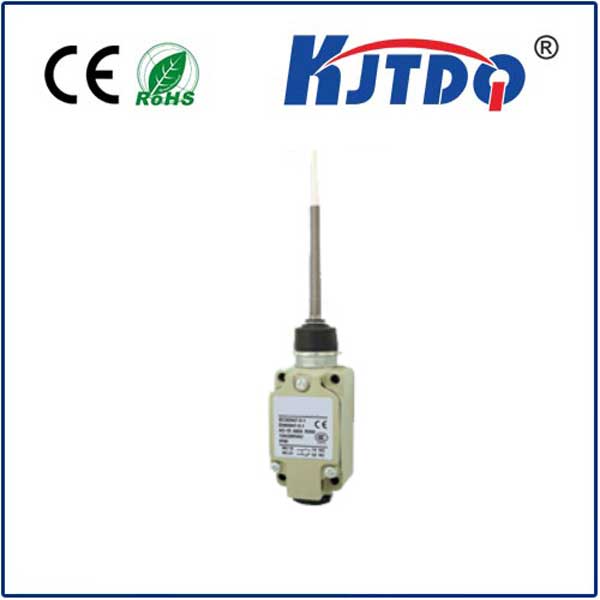
Choosing an NLLA limit switch offers several distinct advantages. First is reliability. Their mechanical simplicity and proven design lead to long service life with minimal maintenance. Second is precision. They offer repeatable accuracy in detecting position, which is vital for consistent product quality and process efficiency. Third is versatility. Available in various actuator styles (roller lever, plunger, wobble stick) and electrical ratings, they can be configured for a wide range of specific tasks. Finally, they provide a cost-effective solution. Compared to more complex proximity sensors in certain applications, a well-chosen limit switch delivers excellent performance at a competitive price point, offering a high return on investment.
When selecting an NLLA limit switch for a particular application, several factors must be considered. The operating environment is paramount—ensure the switch's ingress protection (IP) rating is suitable for the levels of dust and moisture present. The mechanical requirements, such as the actuator type, operating force, and release force, must match the physical interaction with the target object. Electrical specifications, including voltage, current rating (both AC and DC), and contact configuration (normally open, normally closed), must align with the control circuit's needs. Proper mounting and adjustment are also critical to ensure optimal performance and longevity.
Installation and maintenance are straightforward but require attention to detail. The switch should be mounted securely to avoid misalignment from vibration. The actuator should be positioned so that it is engaged positively by the target without being over-traveled, which can cause premature wear. Regular inspection for physical damage, loose connections, and actuator arm integrity is recommended as part of a preventive maintenance schedule. Keeping the actuator and housing clean from excessive debris buildup will further enhance reliability.
In conclusion, the NLLA limit switch remains a cornerstone of industrial automation. Its blend of mechanical robustness, electrical reliability, and application flexibility makes it an irreplaceable component for engineers and maintenance professionals. By understanding its operation, benefits, and selection criteria, businesses can leverage this proven technology to enhance the safety, efficiency, and productivity of their automated processes. In an era of advancing technology, the fundamental role of the dependable limit switch, exemplified by the NLLA series, continues to be as vital as ever for precise and safe machine control.