Проверка
Проверка
Проверка
Проверка
Проверка
Проверка
You glance at your morning coffee maker – the digital readout assures you it’s brewing at the perfect 92°C. Before stepping out, a quick look at your smartwatch confirms the outside temperature is a brisk 12°C, warning you to grab a jacket. Later, a temperature display on a medical device silently confirms your child’s fever has subsided. These seemingly mundane flashes of numbers are the silent guardians of our comfort, safety, and efficiency. The temperature display is far more than just numbers on a screen; it’s the crucial endpoint in a complex chain of sensing, processing, and communication, making invisible environmental data instantly actionable across countless aspects of modern life.
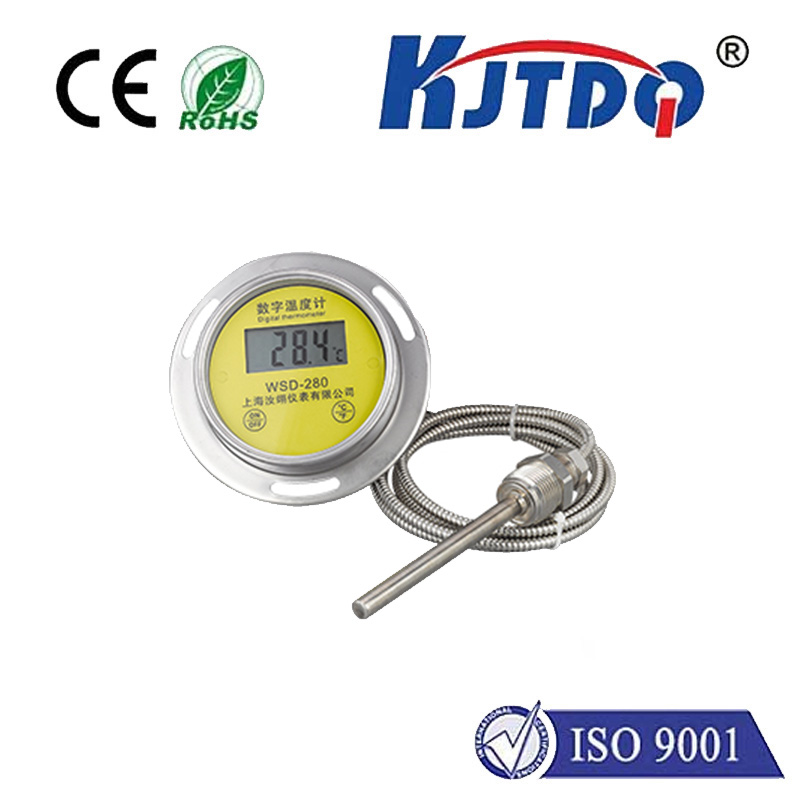
At its core, a temperature display is the visible output of a sophisticated measurement system. It begins with a sensor – technologies like thermocouples (relying on voltage differences between dissimilar metals), resistance temperature detectors (RTDs – changing resistance with temperature), or thermistors (semiconductors with resistance inversely proportional to temperature). These sensors detect minute changes in ambient heat or the heat of a specific object. These raw signals are then converted, amplified, and processed by dedicated circuitry or microprocessor algorithms into a usable digital format. Finally, this processed data is presented clearly via the display unit. This progression from physical phenomenon to a clear numerical value on a digital screen or traditional dial represents the fundamental journey of temperature information.

The ubiquity and criticality of temperature displays become starkly evident when we examine their diverse applications:
Choosing the right temperature display instrument isn’t just about reading numbers; it involves careful consideration of several key factors to ensure it meets the specific need:
The future of temperature display technology is intrinsically linked to the rise of connectivity and intelligence. Smart sensors embedded in appliances, industrial equipment, and environmental monitoring systems continuously stream temperature data to the cloud. Displays are evolving beyond simple numeric output into rich interfaces on smartphones, tablets, and centralized dashboards, capable of showing trends over time, setting complex schedules, and sending alerts when thresholds are breached. The humble temperature display is becoming the visible tip of a vast, intelligent sensing network, making environmental data more accessible and actionable than ever before. Whether it’s ensuring your espresso is extracted perfectly, safeguarding vaccines, optimizing factory efficiency, or protecting the integrity of sensitive experiments, the temperature display remains the indispensable, often overlooked, endpoint transforming data into meaningful human understanding.