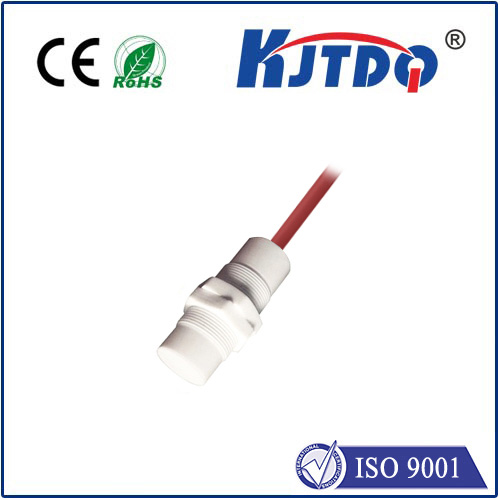
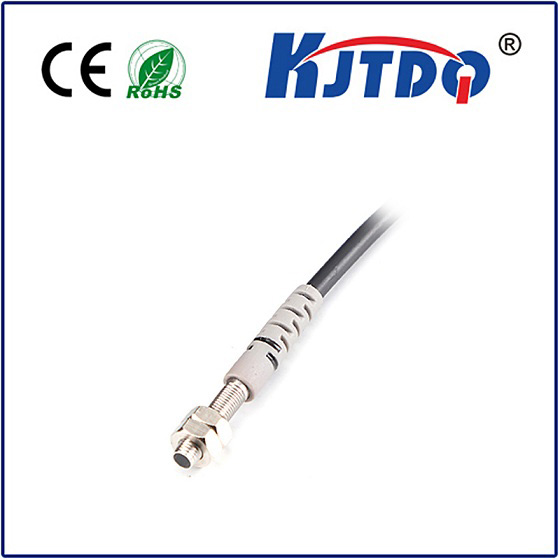
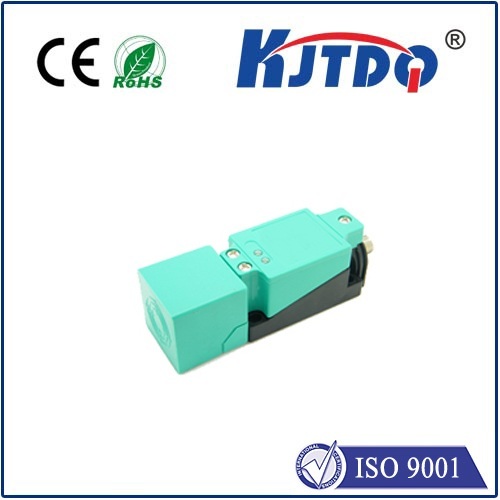
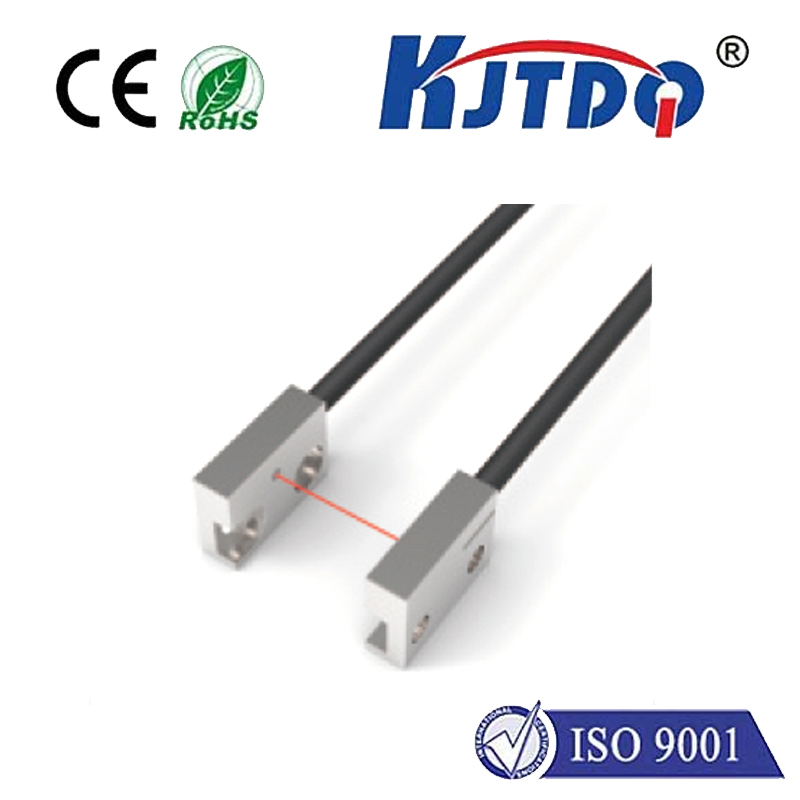
In the dynamic landscape of industrial automation, precision and reliability are non-negotiable. The magnetic limit switch stands as a pivotal component in this realm, offering a robust solution for position sensing and control. Unlike traditional mechanical switches that rely on physical contact, magnetic limit switches operate through non-contact sensing, utilizing the interaction between a magnet and a reed switch or Hall effect sensor. This fundamental difference translates into significant advantages, including reduced wear and tear, enhanced longevity, and consistent performance even in harsh environments filled with dust, moisture, or vibrations.
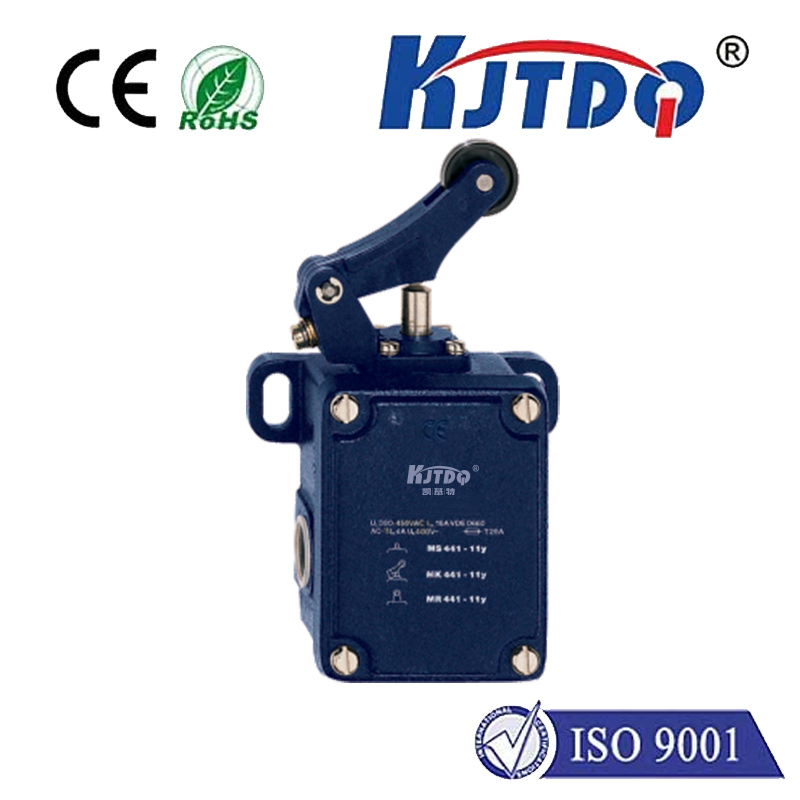
The core mechanism is elegantly simple. A permanent magnet is attached to the moving part of a machine, such as a door, slider, or actuator. The switch body, containing the sensor, is fixed in a strategic position. When the magnet approaches within a specific range, it triggers the sensor, sending a clear signal to the control system. This signal can indicate whether a door is fully closed, a valve has reached its endpoint, or a robotic arm is in its home position. The absence of physical contact means there is no risk of mechanical failure due to friction, jamming, or misalignment, which are common pitfalls with lever-arm or plunger-style switches.
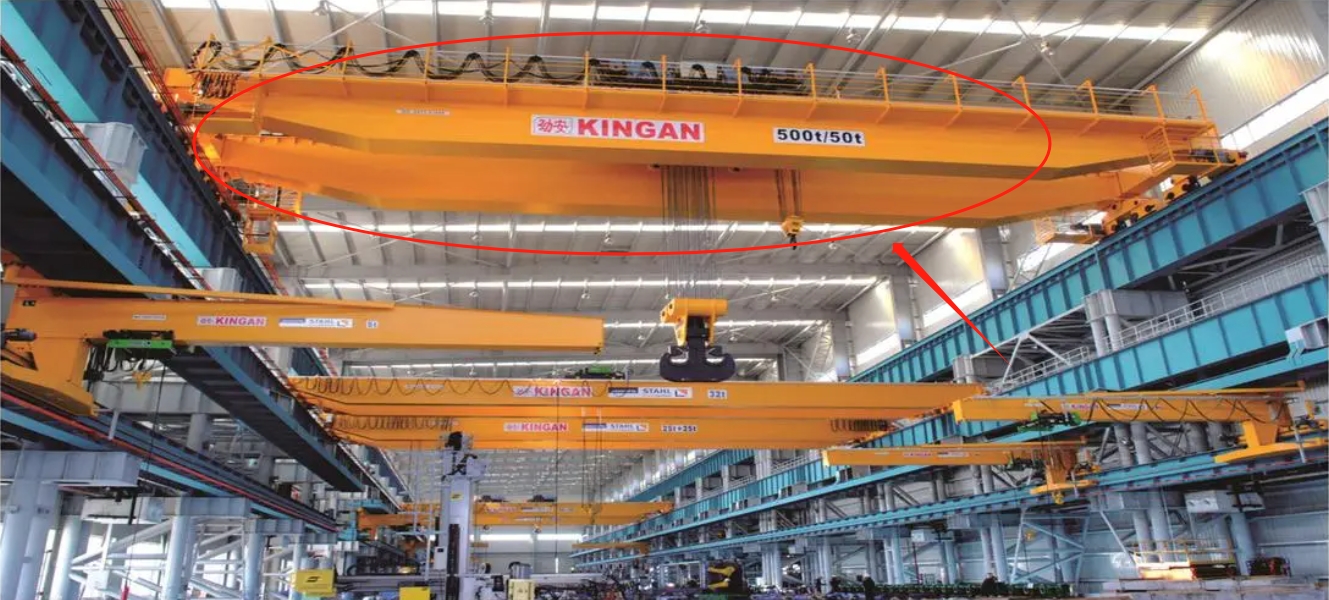
Applications for magnetic limit switches are vast and varied. In manufacturing, they ensure the precise positioning of assembly line components, preventing costly errors and downtime. Within the packaging industry, they guarantee that sealing mechanisms engage correctly. In automotive production lines, they verify the correct placement of parts before welding or painting processes commence. Beyond factory floors, these switches are integral to elevator systems, ensuring doors are securely closed before movement, and in renewable energy setups, such as wind turbines, for monitoring blade pitch or brake positions.
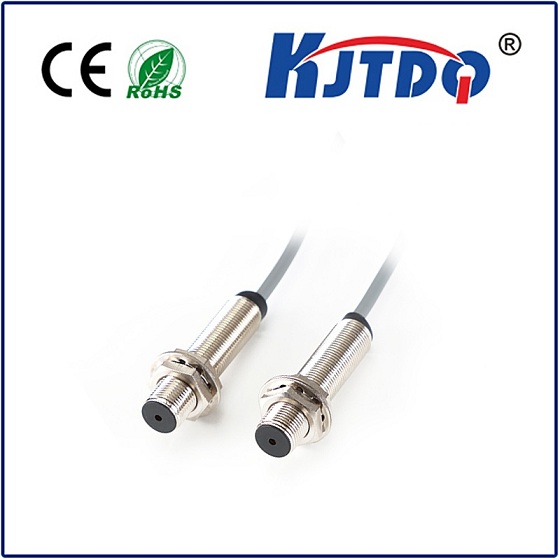
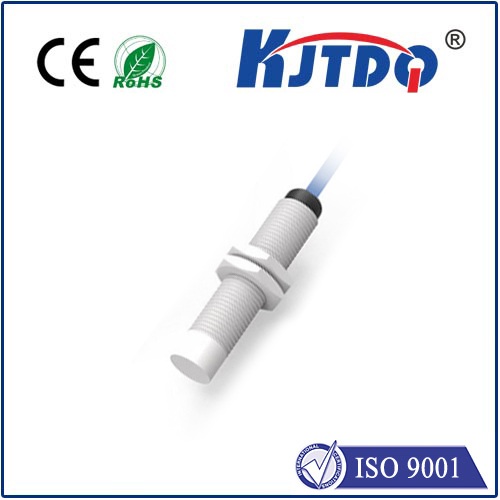
Selecting the right magnetic limit switch involves considering several key parameters. The sensing distance, or the range at which the magnet reliably activates the switch, is crucial and must match the application's mechanical tolerances. Environmental ratings, typically denoted by IP (Ingress Protection) codes, indicate resistance to dust and water—a critical factor for outdoor or washdown applications. The electrical specifications, such as voltage, current rating, and output type (e.g., Normally Open or Normally Closed), must be compatible with the existing control circuitry. Furthermore, the physical construction, including housing materials like stainless steel or rugged plastics, determines its suitability for corrosive or high-impact environments.
The integration of magnetic limit switches into modern Industrial Internet of Things (IIoT) frameworks marks a significant evolution. Smart switches can now provide not just a simple on/off signal but also diagnostic data, such as operational cycle counts or early warnings of potential magnet weakening. This predictive maintenance capability allows engineers to schedule replacements proactively, avoiding unplanned stoppages and optimizing overall equipment effectiveness (OEE). When paired with programmable logic controllers (PLCs) and supervisory control and data acquisition (SCADA) systems, they form a cohesive network that enhances both safety protocols and production efficiency.
Installation and maintenance are notably straightforward. The non-contact nature allows for flexible mounting with minimal alignment stress. Regular maintenance primarily involves visual inspections for physical damage and ensuring the magnet and sensor faces remain clean and free from ferrous debris that could interfere with the magnetic field. Calibration is generally not required, as the switching point is determined by the fixed magnetic field strength and sensor sensitivity.
In conclusion, the magnetic limit switch is more than just a simple sensor; it is a cornerstone of modern industrial safety and precision. By providing dependable, contactless detection, it mitigates risks, reduces maintenance costs, and supports the seamless operation of automated systems. As industries continue to advance towards smarter, more connected operations, the role of reliable components like the magnetic limit switch will only become more central, driving productivity and safeguarding both machinery and personnel.