Проверка
Проверка
Проверка
Проверка
Проверка
Проверка
In the dynamic landscape of industrial automation and machinery control, precision, reliability, and safety are non-negotiable. The integration of high-quality components is paramount to ensuring seamless operations, minimizing downtime, and protecting valuable equipment and personnel. Among these critical components, the limit switch plays a foundational role. Specifically, the Koino limit switch has emerged as a significant player in this field, offering robust solutions for position detection and motion control in a myriad of applications. This article delves into the core functionalities, key advantages, and diverse industrial applications of these essential devices, highlighting how they contribute to enhanced operational efficiency.
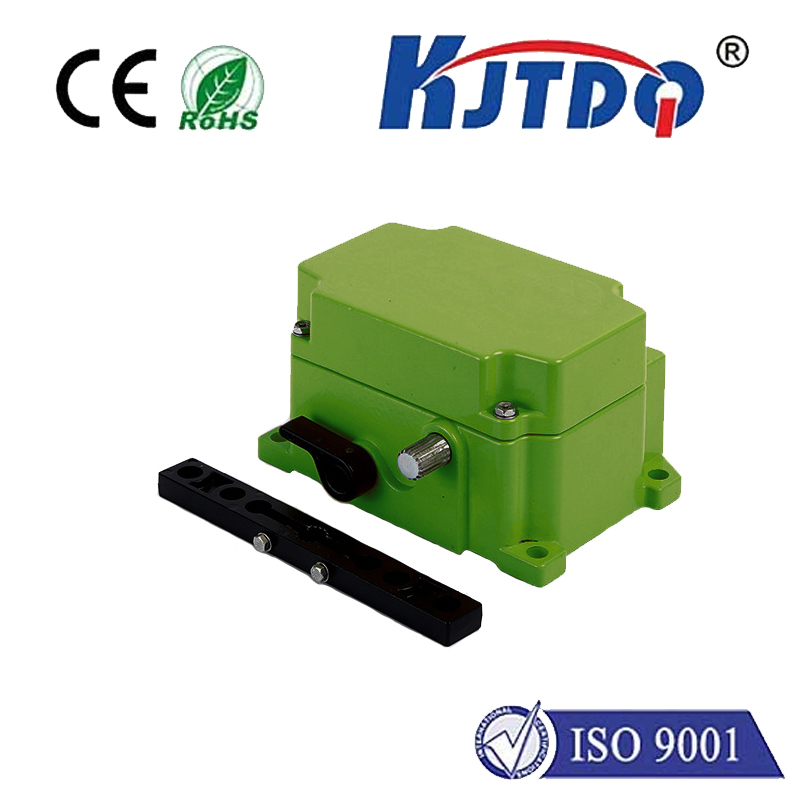
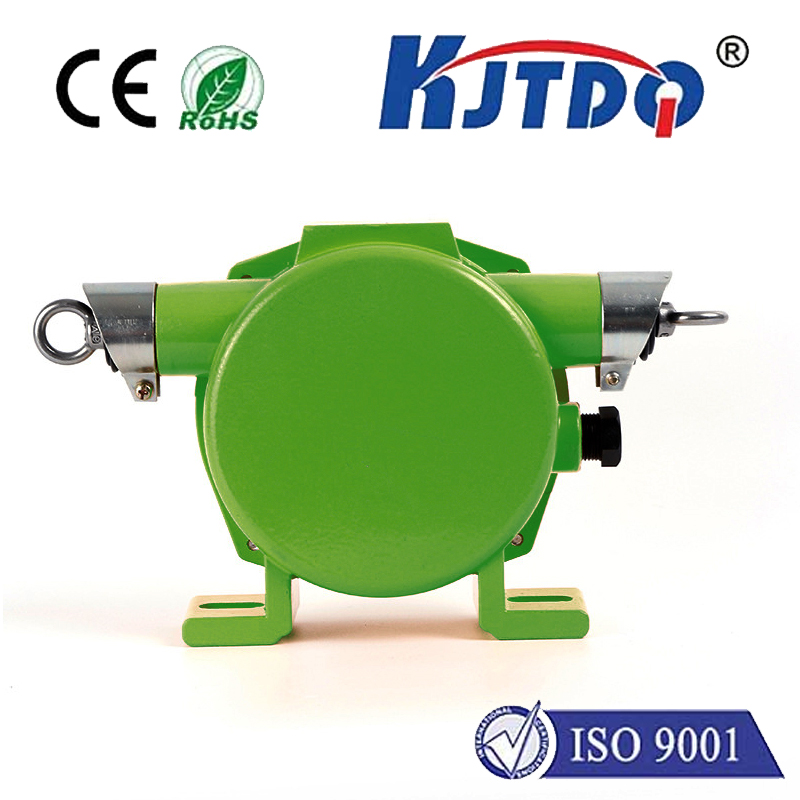
A limit switch is an electromechanical device designed to detect the presence or absence of an object, or to monitor the position of a machine part. It operates by physically making or breaking an electrical contact when its actuator is displaced by the target object. This simple yet effective action sends a signal to a control system, such as a Programmable Logic Controller (PLC), to initiate, halt, or alter a sequence of operations. The fundamental principle is straightforward: when a machine part reaches a predetermined point, it triggers the switch, providing a definitive, physical confirmation of position that is often more reliable than non-contact sensors in certain harsh environments.
The Koino limit switch series is engineered to meet the rigorous demands of modern industry. These switches are typically characterized by their durable housing, often constructed from robust materials like metal or high-grade engineering plastics, ensuring resistance to impact, vibration, moisture, and corrosive substances. A key feature is the variety of actuator types available—including lever, roller plunger, and fork lever designs—which allows for precise customization based on the specific mechanical motion required for actuation. This versatility ensures that whether the triggering object is moving linearly, rotating, or following a complex path, there is a suitable actuator configuration.
The benefits of implementing reliable limit switches like those from the Koino line are substantial. First and foremost, they enhance safety by providing critical interlocks. For instance, on a conveyor system, a limit switch can confirm that a safety guard is in place before the machinery is allowed to start, preventing accidental injury. In automated assembly lines, they ensure robotic arms or moving platforms stop precisely at the correct location, preventing collisions and product damage. This precise positioning control directly translates to improved product quality and consistency in manufacturing processes.
Furthermore, these devices contribute significantly to system durability and reduced maintenance. Their mechanical simplicity and rugged build mean they can endure millions of operational cycles under challenging conditions—from the dusty floors of a packaging plant to the oily environment of a metalworking shop. By providing a clear, hard-wired signal for positional limits, they help prevent mechanical over-travel, which can cause severe damage to motors, gears, and other expensive components. This proactive protection extends the lifespan of the entire machinery system.
The application scope for Koino limit switches is exceptionally broad. In material handling, they are used to detect the end-of-travel for cranes, hoists, and elevator cars. In the automotive industry, they sequence operations in welding robots and paint shops. Packaging machinery relies on them to detect product presence and control fill levels. Even in renewable energy, such as wind turbines, limit switches monitor blade pitch and yaw position. The common thread across all these applications is the need for a dependable, physical feedback mechanism that digital control systems can trust implicitly.
Selecting the right limit switch involves careful consideration of several factors. The electrical rating (voltage and current), the required switching logic (normally open or normally closed), the environmental protection rating (IP code for dust and water ingress), and the mechanical specifications of the actuator are all crucial. For high-speed or high-precision applications, the repeat accuracy and operating force of the switch become critical parameters. Consulting technical specifications and, when necessary, engineering support is recommended to ensure optimal performance and integration.
In conclusion, within the intricate ecosystem of industrial control, the humble limit switch remains an indispensable workhorse. Solutions like the Koino limit switch provide the essential link between physical movement and electronic control, offering a blend of mechanical toughness and electrical reliability. By ensuring precise positional control, enhancing safety protocols, and protecting machinery from damage, they form a silent yet vital backbone for efficient and safe industrial operations. Their continued evolution and adaptation underscore their enduring value in an increasingly automated world.