In the intricate world of electronic components and control systems, the roller switch stands out as a versatile and reliable interface solution. Often overlooked in favor of more common buttons or touchscreens, the roller switch offers a unique tactile experience and functional advantages that make it indispensable in various modern applications. This guide delves into the mechanics, benefits, and key use cases of this essential component.
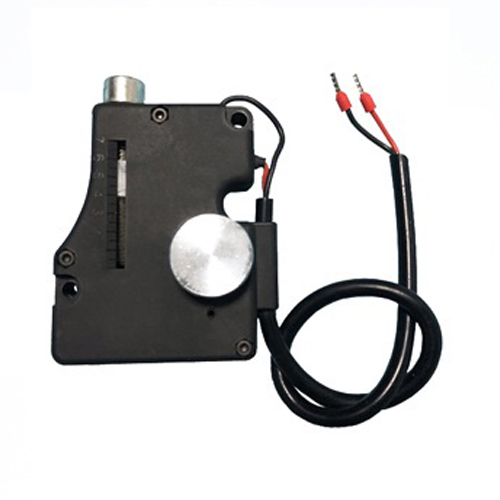
At its core, a roller switch is an electromechanical device that translates the rotational motion of a roller or wheel into an electrical signal. Unlike a simple rotary encoder, a typical roller switch often incorporates a scrolling or selection function, sometimes combined with a push-button action in the center. The user rotates the roller to navigate through menus, adjust values like volume or brightness, or scroll through lists. The internal mechanism usually involves a rotary encoder—either optical or mechanical—that generates pulses corresponding to the direction and speed of rotation. This provides precise, incremental control that is both intuitive and satisfying to use.
The advantages of integrating a roller switch into a product design are numerous. First and foremost is user experience. The tactile feedback and physical resistance of a high-quality roller switch offer a level of control and precision that touch-based interfaces often lack. This is crucial in environments where users cannot rely on visual confirmation alone, such as in automotive controls, professional audio equipment, or industrial settings. The ability to make fine adjustments by feel enhances safety and efficiency.
Durability is another significant benefit. Well-constructed roller switches are designed for millions of cycles, outperforming many membrane keys or touch sensors in terms of longevity, especially in demanding conditions. They are less susceptible to environmental factors like moisture, dust, or grease when properly sealed, making them ideal for kitchen appliances, medical devices, and outdoor equipment.
From a design perspective, the roller switch saves valuable space on a control panel. A single roller can often replace multiple up/down buttons or a keypad, offering a sleek, minimalist aesthetic. This is particularly valuable in consumer electronics like computer mice, presentation remotes, and smart home controllers, where compact and intuitive design is paramount.
So, where exactly are roller switches making an impact today? Their application spectrum is remarkably broad. In the automotive industry, they are commonly found on steering wheels and center consoles, controlling infotainment systems, driver displays, and climate settings without requiring the driver to look away from the road. In the realm of consumer electronics, high-end computer mice and multimedia keyboards feature scroll wheels for navigation and zooming. Professional audio and video editing consoles utilize them for precise timeline scrubbing and parameter adjustment. Industrial control panels employ robust roller switches for machine calibration and menu navigation, where gloves can be worn. Even in medical equipment, such as diagnostic imaging consoles or patient monitors, roller switches provide reliable, sanitizable control interfaces.
When selecting a roller switch for a project, engineers and designers must consider several factors. The type of encoder (mechanical or optical) affects the feel, precision, and cost. The required resolution, or pulses per revolution, determines the fineness of control. Mechanical durability, expressed in cycles, must match the product's lifespan expectations. Environmental sealing (IP ratings) is critical for devices exposed to harsh conditions. Finally, the tactile feel and rotational torque are subjective but vital elements that influence the end-user's perception of product quality.
Looking ahead, the future of roller switches is intertwined with technological integration. We are beginning to see hybrid models that incorporate capacitive touch sensing on the roller surface, allowing for gestures like swipes or taps in addition to rotation. Haptic feedback technology can simulate detents or other textures electronically, offering customizable user experiences. The fundamental principle of the roller switch—providing tangible, precise control—remains highly relevant even as interfaces become more digital.
In conclusion, the roller switch is far from an obsolete component. It is a testament to the enduring value of physical, tactile interaction in a digital world. Its combination of durability, intuitive operation, and space-efficient design ensures its continued relevance across automotive, industrial, consumer, and professional domains. For designers seeking to create interfaces that are both functional and satisfying to use, the roller switch presents a proven and powerful solution.