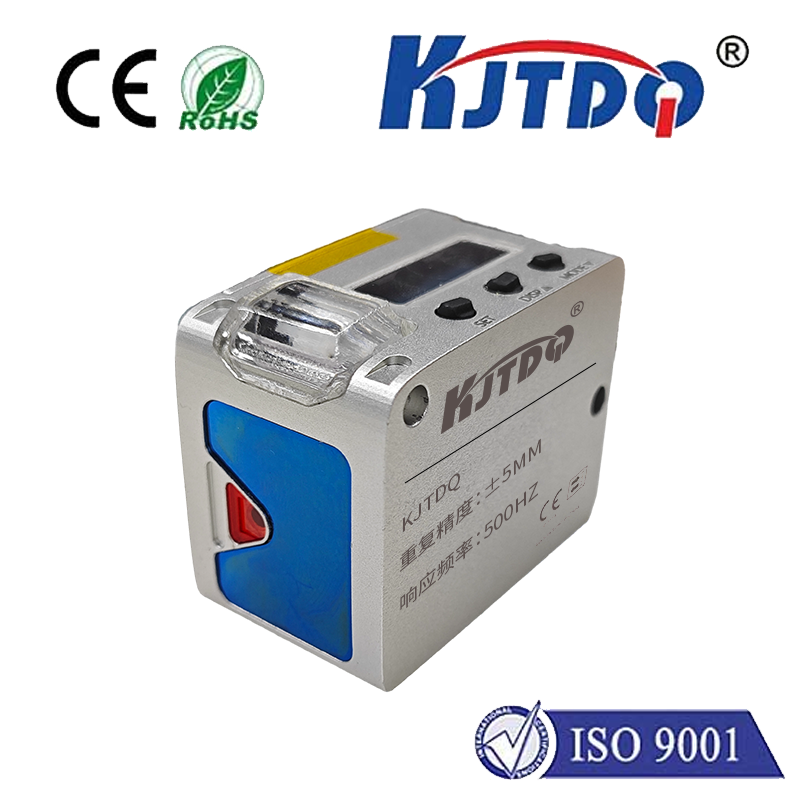
In today's fast-paced industrial environments, ensuring worker safety while maintaining high productivity is a top priority for businesses worldwide. One technology that has become indispensable in achieving this balance is the laser safety sensor. These advanced devices are designed to protect personnel from potential hazards associated with laser equipment and automated machinery, offering a reliable solution for hazard detection and prevention.
Laser safety sensors operate by creating an invisible protective field around dangerous areas. When an object or person breaches this field, the sensor immediately sends a signal to stop or alter the operation of the machinery, preventing accidents before they occur. This proactive approach to safety is far superior to traditional reactive methods, significantly reducing the risk of injury and downtime.
The applications for laser safety sensors are vast and varied. In manufacturing plants, they are commonly used to safeguard areas around robotic arms, welding stations, and assembly lines. In logistics and warehousing, these sensors protect workers near automated guided vehicles (AGVs) and high-speed sorting systems. The medical field also benefits from laser safety sensors, particularly in surgical and diagnostic equipment where precision and safety are paramount.
Modern laser safety sensors come equipped with sophisticated features that enhance their effectiveness. Many models offer adjustable detection ranges, allowing customization for different zones and risk levels. Some sensors incorporate muting functions that temporarily disable the safety field under controlled conditions, such as when materials are being loaded or unloaded by automated systems. This flexibility ensures that safety measures do not unnecessarily hinder operational efficiency.
Another significant advantage of laser safety sensors is their ease of integration. Most models are designed to work seamlessly with existing safety control systems, such as programmable logic controllers (PLCs) and safety relays. This compatibility simplifies installation and reduces the need for extensive modifications to current setups. Additionally, many sensors feature self-checking mechanisms that continuously monitor their own functionality, providing an extra layer of reliability.
When selecting a laser safety sensor, several factors should be considered. The required protective field distance depends on the machinery's stopping time and the potential approach speed of personnel. Environmental conditions, such as ambient light, dust, and temperature fluctuations, can affect sensor performance and should be accounted for during selection. Compliance with international safety standards, like ISO 13849 and IEC 61496, is crucial to ensure the sensor meets rigorous safety requirements.
Regular maintenance and testing are essential to keep laser safety sensors operating correctly. This includes periodic cleaning of lenses and reflectors, verification of alignment, and functional checks of the entire safety system. Proper training for personnel who work near these sensors is equally important, as understanding their function and limitations helps prevent accidental breaches and false triggers.
The implementation of laser safety sensors often leads to measurable improvements in overall operational efficiency. By creating clearly defined safe zones, these sensors enable closer human-machine collaboration, optimizing workflow and space utilization. The reduction in accident-related disruptions contributes to more consistent production output and lower insurance costs. Furthermore, demonstrating a commitment to worker safety through advanced technology can boost employee morale and aid in talent retention.
As technology continues to evolve, laser safety sensors are becoming more intelligent and connected. Future developments may include enhanced data logging capabilities for safety audits, integration with factory-wide monitoring systems, and adaptive protection fields that adjust in real-time based on changing conditions. These advancements will further strengthen the role of laser safety sensors in creating safer, more productive work environments.
Investing in quality laser safety sensors is not merely a regulatory compliance issue; it represents a strategic decision that protects valuable human resources while supporting continuous operational improvement. By creating a robust safety framework, businesses can foster a culture of safety that benefits everyone involved, from frontline workers to management stakeholders.