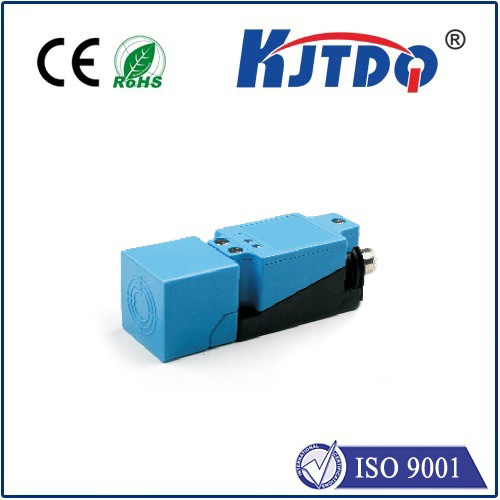
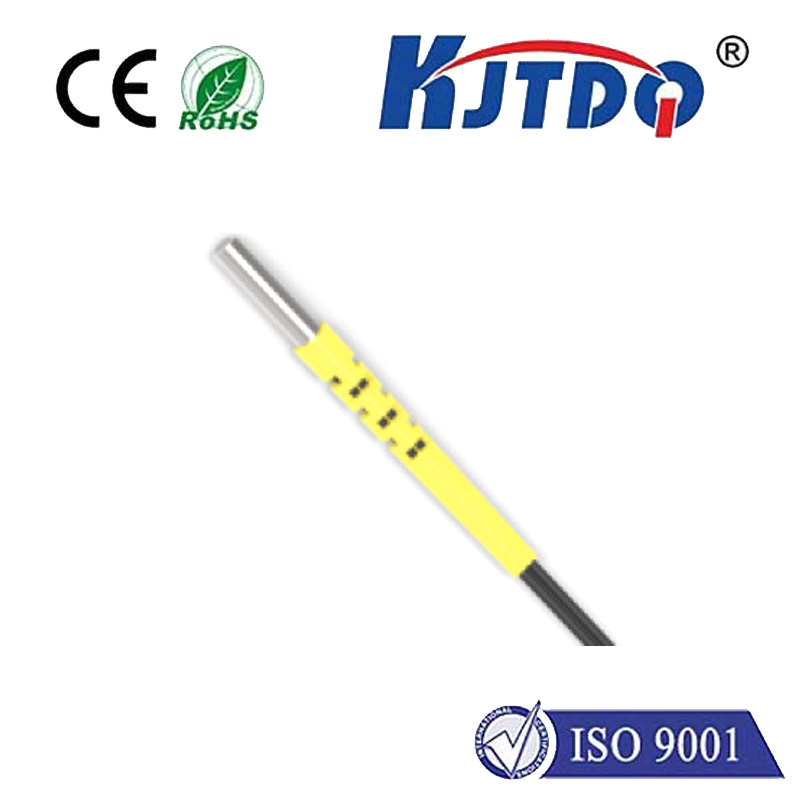
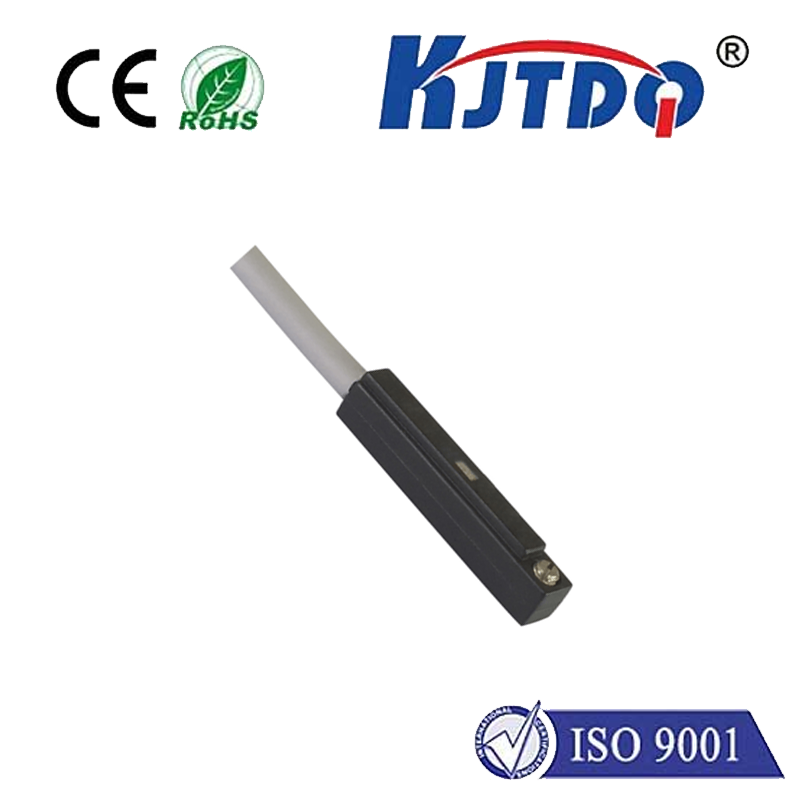
In today's fast-paced industrial and technological landscape, precision and efficiency are paramount. The infrared temperature sensor laser, a sophisticated tool for non-contact temperature measurement, stands at the forefront of this revolution. This technology, often integrated into devices like the KJTDQ series, offers unparalleled accuracy and safety across a multitude of applications, from manufacturing floors to medical diagnostics.
At its core, an infrared temperature sensor laser operates on a fundamental principle: all objects emit infrared energy as a function of their temperature. The sensor detects this emitted radiation and converts it into an electrical signal, which is then processed to display a precise temperature reading. The integrated laser pointer, a key feature, serves as a precise aiming guide. It allows users to pinpoint the exact spot being measured, ensuring the data collected is from the intended target area and not the surrounding environment. This is crucial for measuring small components, moving objects, or surfaces in hazardous conditions where physical contact is impossible or dangerous.
The advantages of using a laser-guided infrared temperature sensor are extensive. Firstly, it enables instantaneous readings. There is no need to wait for a probe to equilibrate with the target, allowing for rapid scanning of multiple points and real-time process monitoring. Secondly, it ensures safety. Measuring the temperature of high-voltage equipment, extremely hot surfaces like furnaces, or rotating machinery becomes a risk-free operation. Furthermore, it prevents contamination. In sterile environments such as food production lines or pharmaceutical labs, non-contact measurement eliminates the risk of introducing contaminants.
The applications for this technology are vast and varied. In industrial maintenance, technicians use these sensors to identify overheating electrical components, such as circuit breakers, transformers, and motor bearings, facilitating predictive maintenance and preventing costly downtime. Within manufacturing, they are indispensable for monitoring processes like plastic molding, metal heat treating, and glass production, where specific temperature ranges are critical for product quality. In the automotive sector, they help diagnose engine performance and brake system issues. Even in healthcare, non-contact infrared thermometers, a consumer-facing application of this technology, have become ubiquitous for quick and hygienic fever screening.
When selecting an infrared temperature sensor laser, such as the KJTDQ model, several technical specifications demand attention. The distance-to-spot ratio (D:S) is vital; it indicates the size of the measurement area relative to the distance from the target. A higher ratio allows for accurate measurement of smaller targets from a greater distance. Emissivity, the efficiency with which a surface emits infrared energy, is another critical factor. Most sensors allow for emissivity adjustment to account for different materials, from shiny metals to organic surfaces, ensuring reading accuracy. The temperature range and spectral response must also match the intended application.
Modern devices like the KJTDQ often come equipped with advanced features that enhance their utility. These may include data logging capabilities to record measurements over time, adjustable alarms for out-of-range temperatures, and connectivity options like Bluetooth or USB for transferring data to computers or mobile devices for analysis and reporting. High-resolution displays and rugged, ergonomic designs make them suitable for demanding field use.
Looking ahead, the integration of infrared temperature sensors with the Internet of Things (IoT) and artificial intelligence (AI) is set to unlock even greater potential. Smart sensors can continuously monitor equipment health, feed data into centralized analytics platforms, and trigger automated alerts or adjustments within a connected industrial ecosystem. This progression towards smarter, more connected measurement tools promises to drive further efficiencies, enhance safety protocols, and open new frontiers in automation and quality control.
In conclusion, the infrared temperature sensor laser represents a significant leap in measurement technology. By combining the precision of laser targeting with the power of infrared thermography, tools like the KJTDQ provide a reliable, safe, and efficient solution for non-contact temperature assessment. As industries continue to prioritize automation, safety, and data-driven decision-making, the role of this innovative technology will only become more central, solidifying its status as an indispensable instrument for professionals worldwide.