Проверка
Проверка
Проверка
Проверка
Проверка
Проверка
In the world of industrial automation and smart systems, achieving precise, reliable, and non-contact detection is a fundamental requirement. This is where photoelectric sensor proximity technology shines, offering a versatile and robust solution for countless applications. Unlike mechanical switches or inductive sensors, photoelectric sensors use light beams to detect the presence, absence, or distance of an object without any physical contact. This principle grants them unparalleled advantages in environments demanding hygiene, speed, or the handling of delicate materials.
At its core, a photoelectric proximity sensor operates by emitting a beam of light—typically visible red, infrared, or laser—from a transmitter. A receiver then detects the status of this light beam. The most common operating modes are through-beam, retro-reflective, and diffuse reflective (proximity mode). For proximity sensing, the diffuse reflective mode is king. Here, the sensor houses both the emitter and receiver. It detects an object when the emitted light reflects off the target's surface and bounces back to the receiver. The key to modern "background suppression" or "true background suppression" variants is their ability to measure the angle of the reflected light, allowing them to ignore distant backgrounds and only detect objects within a precise, defined range. This makes them exceptionally accurate for proximity tasks.
The benefits of implementing photoelectric sensor proximity solutions are extensive. First and foremost is reliability. With no moving parts to wear out, these sensors boast exceptionally long service lives, reducing maintenance costs and downtime. Their non-contact nature eliminates product damage, making them ideal for packaging food, pharmaceuticals, or electronics. Furthermore, they offer remarkable sensing ranges compared to other proximity types, capable of detecting objects from a few millimeters up to several meters away. They are also color-blind to a large degree, able to detect a vast array of materials including glass, plastic, wood, and liquid, provided the object affects the light beam. Modern designs feature rugged housings with high IP ratings, allowing them to perform consistently in challenging conditions with dust, moisture, or vibration.
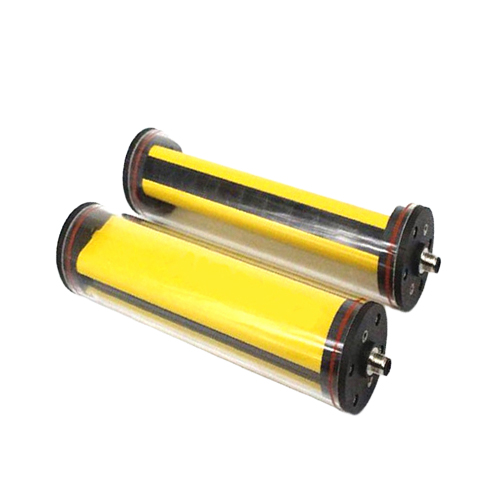
Practical applications for photoelectric proximity sensors are virtually limitless. On a production line, they count bottles, detect missing caps on containers, or verify the correct height of a stack. In material handling, they position robotic arms, control conveyor gates, and ensure precise filling levels in tanks. The automotive industry relies on them for assembly verification and part positioning. Beyond heavy industry, they are integral to everyday life, found in automatic doors, hand dryers, paper detection in printers, and even as safety curtains on machinery. Their adaptability is their greatest strength.
Selecting the right photoelectric sensor for a proximity application requires careful consideration. Key factors include the sensing range required, the size, color, and surface finish of the target object, the environmental conditions (presence of dust, fog, or ambient light), the required response speed, and the electrical output needed (e.g., NPN, PNP, analog). For instance, a shiny metallic object might require a polarized retro-reflective sensor to avoid false triggers, while detecting a transparent glass bottle would need a focused beam sensor designed for such challenging targets. Consulting with a technical specialist or referring to detailed datasheets is always recommended to ensure optimal performance.
In conclusion, photoelectric sensor proximity detection represents a cornerstone of modern sensing technology. Its combination of accuracy, versatility, and durability provides a critical link in automated processes, enhancing efficiency, safety, and quality control. As industries continue to evolve towards greater connectivity and intelligence within the Industrial Internet of Things (IIoT), the role of these smart sensors will only grow. By understanding their operating principles and applications, engineers and system integrators can unlock new levels of precision and reliability in their operations, ensuring their systems are not just functional, but future-proof.