Проверка
Проверка
Проверка
Проверка
Проверка
Проверка
In the rapidly evolving landscape of industrial automation, precision and reliability are non-negotiable. Among the myriad of components that ensure seamless operations, the photoelectric sensor reflector stands out as a critical element. Specifically, the integration of advanced KJTDQ photoelectric sensor reflectors has revolutionized how machines perceive and interact with their environment. This guide delves into the core functionality, diverse applications, and key selection criteria for these indispensable devices.
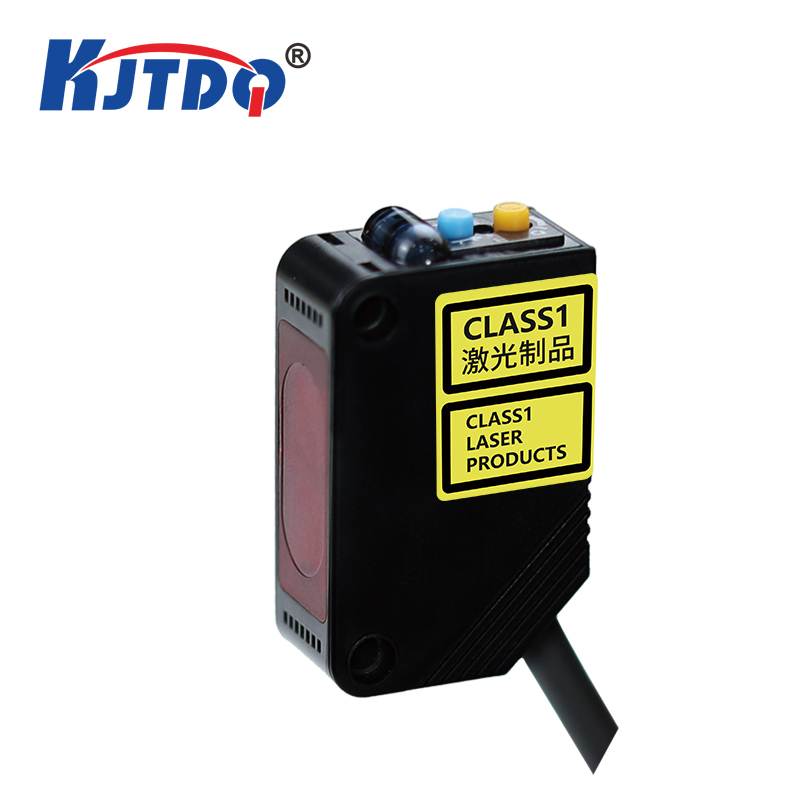
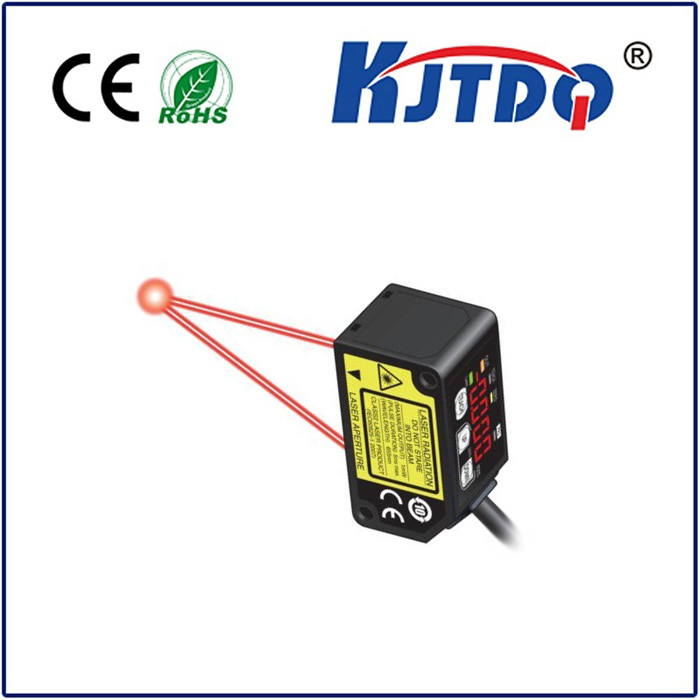
At its heart, a photoelectric sensor system operates by emitting a light beam—typically infrared, visible red, or laser—from an emitter. A receiver then detects either the direct beam (in through-beam sensors) or the beam reflected back from a target (in reflective sensors). The reflector, or target, is the object that the sensor is designed to detect. KJTDQ photoelectric sensor reflectors are engineered to provide a consistent, high-reflectivity surface that reliably bounces the light signal back to the receiver, even over considerable distances or in challenging conditions. Unlike detecting a generic object, a dedicated reflector ensures a strong, unambiguous signal, minimizing false triggers and maximizing operational stability.
The applications for KJTDQ photoelectric sensor reflectors are vast and span numerous industries. In manufacturing and packaging lines, they are pivotal for precise object detection, counting, and positioning. For instance, on a high-speed conveyor belt, these reflectors can be placed at specific points to trigger a robotic arm to pick up an item or to verify that a product has passed a quality checkpoint. In the realm of material handling and logistics, they facilitate automated guided vehicle (AGV) navigation by marking pathways and docking stations, ensuring safe and efficient movement within warehouses. Furthermore, in security systems, they can form invisible beams to protect perimeters; when the beam between the sensor and its reflector is broken, an alarm is triggered. The robust design of KJTDQ reflectors often includes features like wide-angle reflection and resistance to dust, moisture, and vibration, making them suitable for harsh industrial environments.
Selecting the right KJTDQ photoelectric sensor reflector is crucial for optimal system performance. Several factors must be considered. First is the sensing distance; the reflector must be compatible with the sensor's range. Second is the size and pattern of the reflective surface. Larger or prismatic reflectors (corner cube reflectors) can return light accurately even when slightly misaligned, offering greater installation flexibility. Environmental conditions are paramount. For outdoor use or in washdown areas, reflectors with high IP ratings for waterproof and dustproof capabilities are essential. The mounting hardware and adjustability of the reflector bracket also play a significant role in ensuring long-term, stable alignment.
Beyond basic detection, modern KJTDQ solutions often incorporate smart features. Some reflectors are designed for use with background suppression sensors, which can ignore reflections from surfaces behind the intended target, allowing for precise detection at a set distance. This is invaluable in applications like detecting objects on a shelf regardless of the wall behind it. The synergy between a high-quality sensor and a precisely engineered KJTDQ reflector translates directly into reduced downtime, fewer errors, and higher throughput.
Maintenance, while minimal, should not be overlooked. The reflective surface must be kept clean from grime, oil, or debris that could attenuate the light signal. Regular checks for physical damage or misalignment due to machine vibration will ensure continuous, fault-free operation. Investing in durable, well-designed KJTDQ reflectors from reputable suppliers mitigates these risks and provides a solid foundation for any automated system.
In conclusion, the photoelectric sensor reflector is far more than a simple piece of hardware; it is a cornerstone of reliable automation. KJTDQ photoelectric sensor reflectors, with their focus on performance and durability, empower systems to achieve new levels of accuracy and efficiency. By understanding their operation, applications, and selection parameters, engineers and system integrators can build more resilient, intelligent, and productive automated environments, driving innovation and competitive advantage across industries.