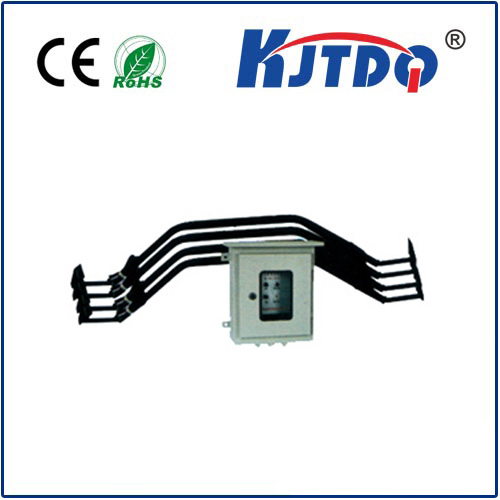
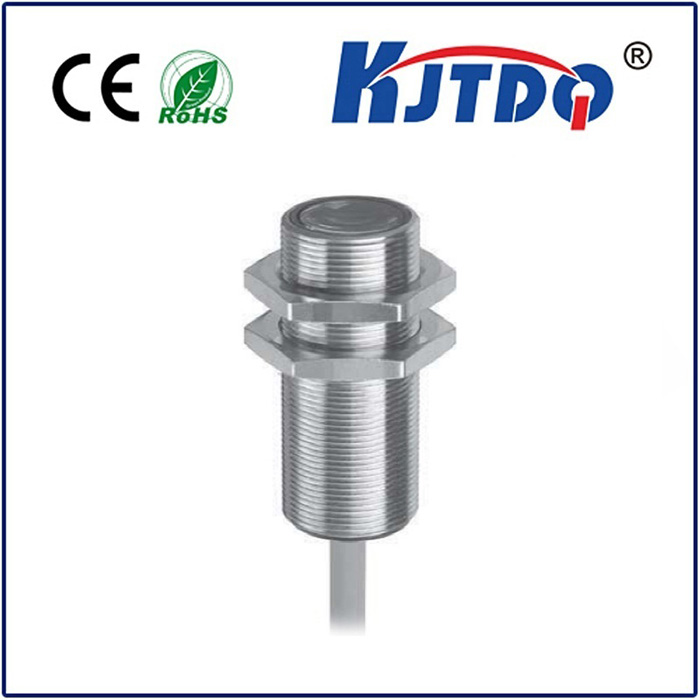
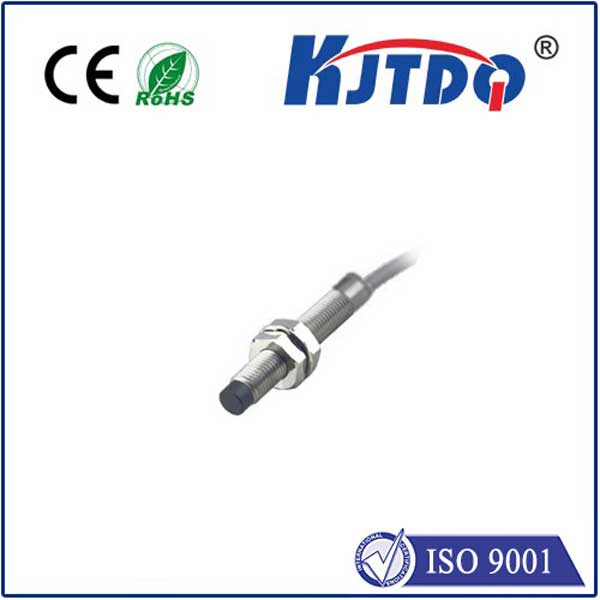
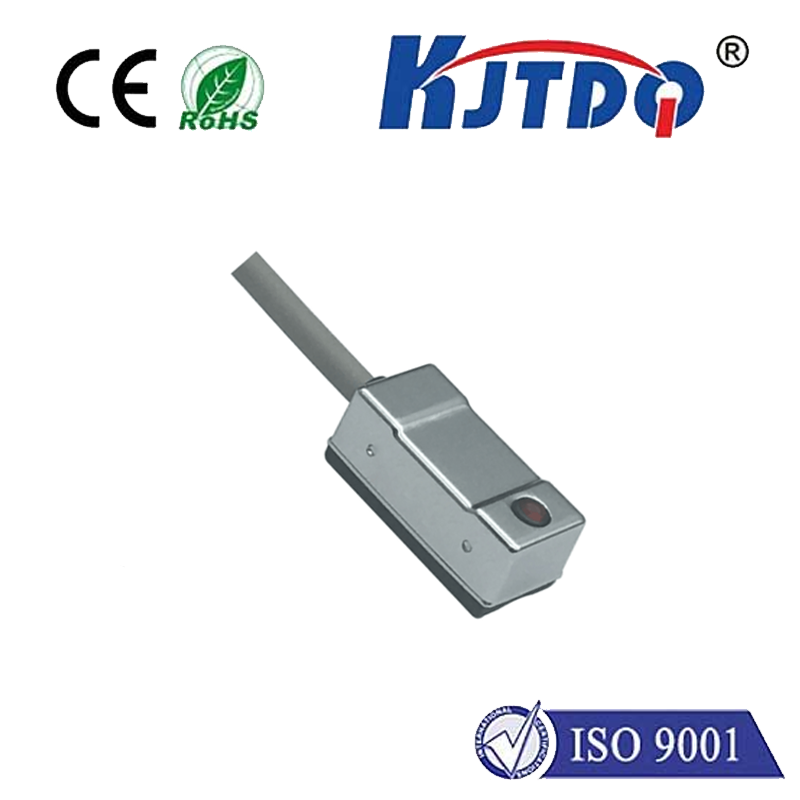
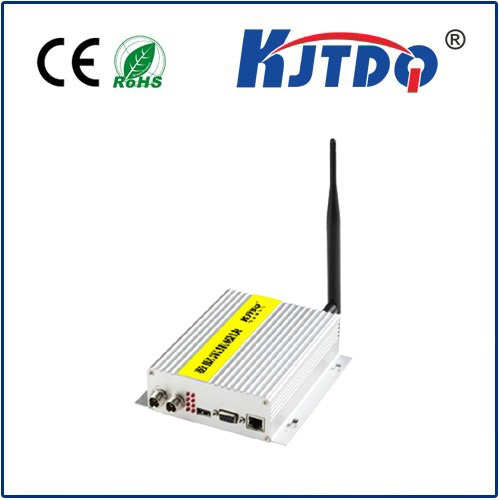
In industrial and commercial environments, ensuring the safety of personnel and equipment is a paramount concern that directly impacts productivity, operational continuity, and regulatory compliance. Among the various technologies deployed for safety applications, the retro-reflective photoelectric beam sensor stands out as a robust, reliable, and versatile solution. This technology forms an invisible curtain of protection, capable of detecting intrusions or the presence of objects within a defined area, thereby preventing accidents and unauthorized access to hazardous zones.
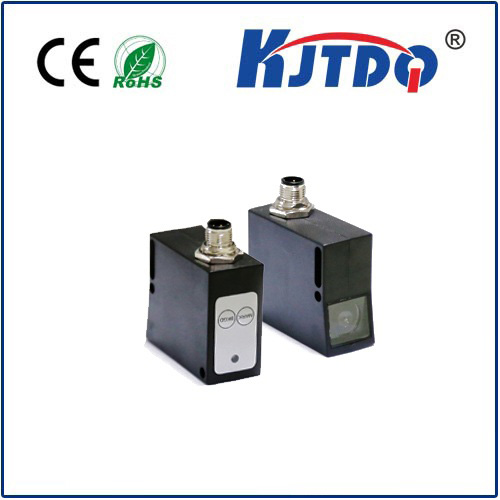
The fundamental principle behind a retro-reflective photoelectric beam sensor is elegantly simple yet highly effective. The sensor unit, typically comprising an emitter and a receiver housed together, projects a modulated beam of light—often infrared—towards a specialized reflector. This reflector, designed with a precise array of corner-cube prisms, returns the light beam directly to its source regardless of the angle of incidence. The integrated receiver continuously monitors the intensity of this returned beam. Any interruption or significant attenuation of this beam, caused by an object or person passing through it, triggers an immediate output signal. This signal can be configured to halt machinery, sound an alarm, or initiate any other predefined safety protocol.
This operational method offers distinct advantages over other sensing technologies. Compared to through-beam sensors, which require separate emitter and receiver units installed on opposite sides of the monitored area, the retro-reflective type simplifies installation and alignment. There is no need to run power and signal cables to two separate distant points; only the sensor unit requires connection, with the passive reflector mounted on the opposite side. This significantly reduces wiring complexity, installation time, and associated costs. Furthermore, the modulated light signal and the sensor's ability to ignore ambient light make it highly resistant to false triggers from sunlight or other stray light sources, ensuring dependable operation in varied lighting conditions.
The applications for these safety beam sensors are extensive and critical across multiple sectors. In manufacturing, they are indispensable for safeguarding robotic work cells, press brakes, stamping presses, and automated assembly lines. They create perimeter guards that instantly stop machinery if a worker reaches into a dangerous area. In material handling and logistics, they protect personnel around automated guided vehicles (AGVs), conveyor systems, and loading docks by detecting presence in restricted pathways. They also serve as effective access control systems for high-voltage rooms, laboratories, or other sensitive areas, providing a non-contact barrier that alerts security when breached.
When selecting and implementing a retro-reflective photoelectric beam sensor for safety purposes, several key specifications demand careful consideration. The sensing range is paramount; it must be suitable for the width of the area to be protected. Beam patterns can vary, with some models offering a single, concentrated beam for precise detection, while others provide a curtain of multiple beams to cover a larger vertical area. The response time, measured in milliseconds, is crucial for high-speed machinery where even a minimal delay can be catastrophic. For harsh industrial environments, factors like ingress protection (IP) ratings for dust and water resistance, robust housing materials, and resistance to vibration are essential for long-term reliability.
Modern advancements have further enhanced the capabilities of these sensors. Features like built-in alignment indicators (often LED-based) simplify setup and maintenance. Self-checking diagnostics continuously monitor the sensor's health and the integrity of the optical path, providing warning signals if lens contamination or misalignment occurs, thereby maintaining the system's safety integrity. Some advanced models also offer muting functions, allowing temporary, controlled suspension of the safety field for authorized material passage without compromising the overall safety circuit.
Ultimately, integrating a retro-reflective photoelectric beam sensor into a safety system is not merely about adding a component; it's about implementing a proactive layer of defense. It represents a commitment to creating a work environment where potential hazards are identified and neutralized before they can result in injury or damage. By providing a reliable, invisible shield, this technology empowers businesses to operate their automated and high-risk equipment with greater confidence, knowing that a vigilant electronic sentinel is constantly on duty, protecting their most valuable asset: their people.