Проверка
Проверка
Проверка
Проверка
Проверка
Проверка
In modern industrial automation, the demand for precise and reliable sensing technology continues to grow. Among the various solutions available, optical diffuse sensors and photoelectric sensors stand out as critical components for enhancing operational efficiency and accuracy. These sensors play a pivotal role in detecting objects, measuring distances, and monitoring processes without physical contact, making them indispensable in manufacturing, packaging, logistics, and robotics.
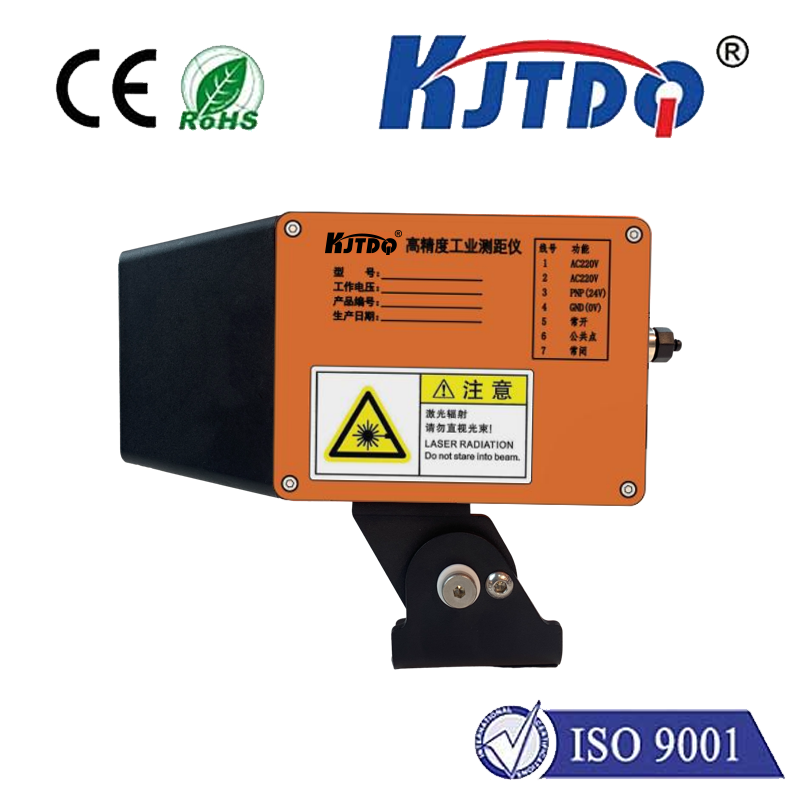
Optical diffuse sensors, also known as diffuse reflective sensors, operate by emitting a light beam—typically infrared or visible light—and detecting the reflection from a target object. Unlike through-beam or retro-reflective sensors, diffuse sensors do not require a separate receiver; instead, they use the same unit to both emit and receive light. This design simplifies installation and reduces costs, making them ideal for applications where space is limited or where mounting separate components is impractical. For instance, in conveyor belt systems, diffuse sensors can detect the presence of products, trigger sorting mechanisms, or ensure proper alignment. Their ability to sense objects regardless of color or material—within certain limits—adds to their versatility. However, users must consider factors like background interference and surface reflectivity, as these can affect performance. Advanced models now feature background suppression technology, which allows them to ignore distant objects and focus only on targets within a specific range, improving reliability in complex environments.
Photoelectric sensors, a broader category that includes diffuse sensors, utilize light to detect objects, changes in surface conditions, or distance variations. They are classified into three main types: through-beam, retro-reflective, and diffuse. Through-beam sensors consist of separate emitter and receiver units, offering long-range detection and high accuracy, suitable for safety barriers or precise counting tasks. Retro-reflective sensors use a reflector to bounce light back to the receiver, providing a balance between range and ease of installation. Diffuse sensors, as mentioned, rely on direct reflection from the target. All these types leverage the principles of photoelectricity, where light beams are interrupted or reflected to generate electrical signals. This technology enables non-contact sensing, reducing wear and tear and minimizing maintenance needs. In industries like automotive assembly, photoelectric sensors ensure parts are correctly positioned, while in food processing, they verify packaging integrity without contaminating products.
The integration of optical diffuse sensors and photoelectric sensors into automated systems brings numerous benefits. They enhance productivity by enabling faster response times—often in milliseconds—and improving process consistency. For example, in material handling, these sensors can detect jams or misaligned items, triggering automatic corrections to prevent downtime. Their durability in harsh conditions, such as exposure to dust, moisture, or temperature fluctuations, makes them suitable for outdoor or industrial settings. Many modern sensors also incorporate smart features like IO-Link connectivity, allowing for real-time data exchange and remote diagnostics. This connectivity supports predictive maintenance, where potential issues are identified early, reducing operational costs and extending equipment lifespan.
When selecting between optical diffuse sensors and other photoelectric sensors, key considerations include the application requirements, environmental factors, and budget constraints. Diffuse sensors are often preferred for simple presence detection in compact spaces, while through-beam sensors excel in long-range or high-precision scenarios. It's essential to evaluate parameters like sensing distance, response time, and light source type. For instance, infrared light is less affected by ambient light interference, making it robust for industrial use. Regular calibration and cleaning can further optimize performance, ensuring sensors operate at peak efficiency.
In summary, optical diffuse sensors and photoelectric sensors are vital tools in advancing industrial automation. By offering reliable, non-contact detection, they contribute to safer, more efficient, and cost-effective operations. As technology evolves, these sensors continue to integrate with IoT and AI systems, paving the way for smarter factories and enhanced operational insights. For businesses seeking to upgrade their automation infrastructure, investing in high-quality sensors from trusted providers can yield significant returns in productivity and reliability.