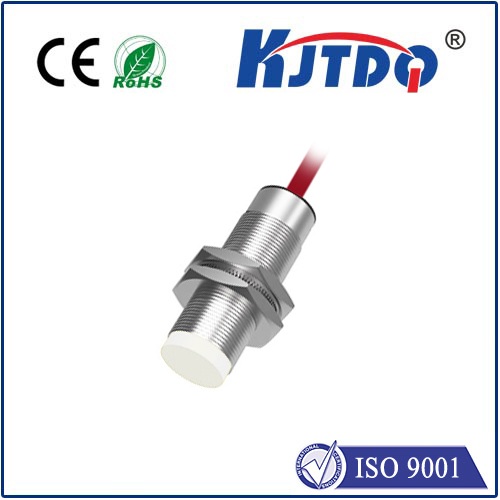
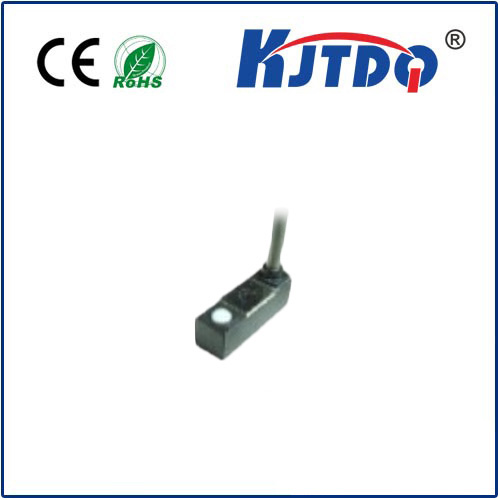
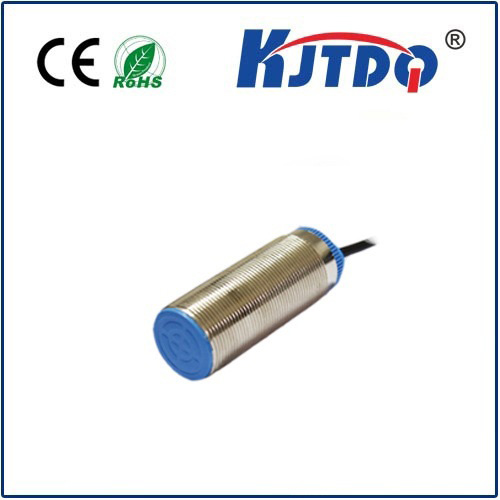
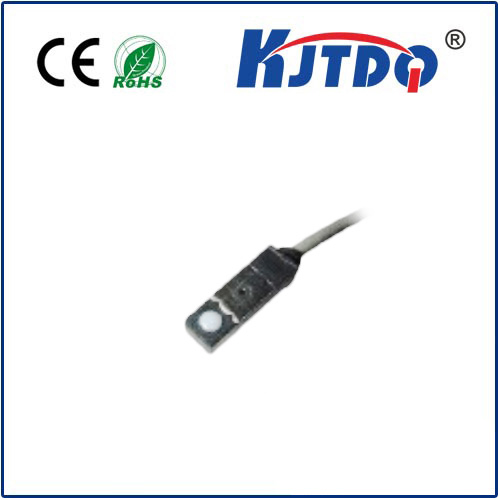
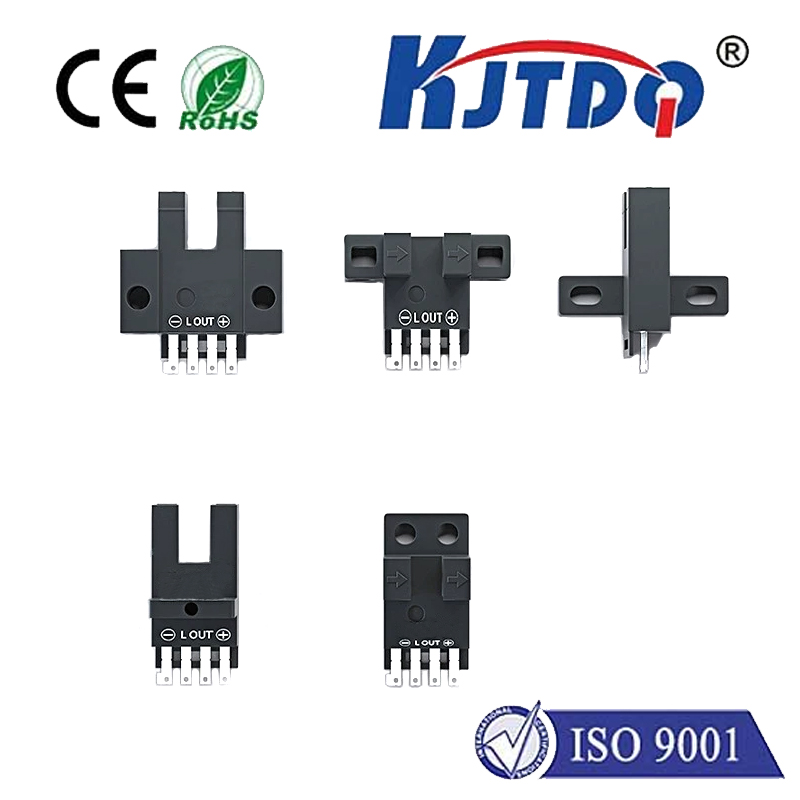
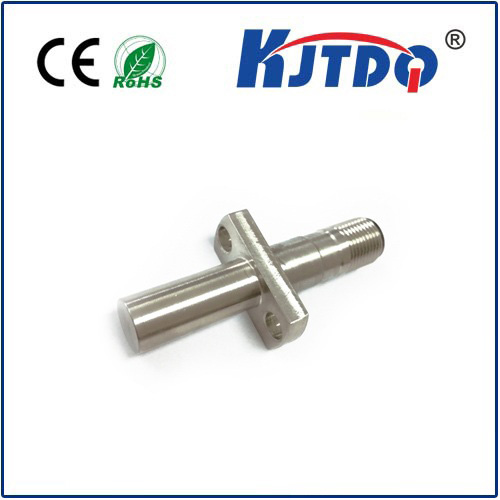
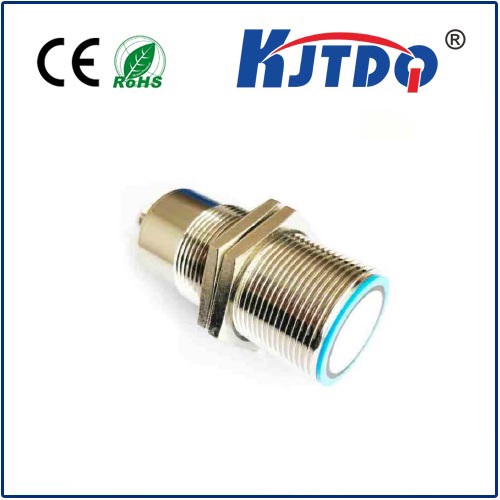
In the rapidly evolving landscape of industrial automation and smart technology, photoelectric proximity sensors have emerged as a critical component, enabling precise detection and control in diverse applications. These sensors operate by emitting a beam of light—typically infrared, visible, or laser—and measuring the reflection or interruption to determine the presence, absence, or distance of an object. Unlike mechanical switches or capacitive sensors, photoelectric variants offer non-contact operation, reducing wear and tear while enhancing reliability in harsh environments such as manufacturing floors, logistics hubs, and automotive assembly lines.
The core mechanism of photoelectric proximity sensors involves a transmitter and receiver. In through-beam sensors, these are separate units aligned opposite each other, detecting objects that break the light path. Retro-reflective sensors use a single unit with a reflector, ideal for detecting objects at longer ranges. Diffuse sensors, on the other hand, rely on light bouncing directly off the target, making them versatile for varied surfaces and colors. Advances in technology have led to the integration of background suppression and foreground suppression features, allowing sensors to ignore irrelevant objects or backgrounds, thus improving accuracy in complex settings like packaging or robotic guidance.
Recent innovations in photoelectric proximity sensors focus on miniaturization, energy efficiency, and connectivity. Modern sensors are now smaller yet more robust, with IP67 or higher ratings for dust and water resistance. They consume less power, aligning with global sustainability goals, and often include smart diagnostics via IO-Link or Ethernet interfaces, enabling real-time monitoring and predictive maintenance. This connectivity transforms traditional sensors into data points within the Industrial Internet of Things (IIoT), facilitating seamless integration with control systems for optimized workflows.
Applications of these sensors span numerous industries. In automotive manufacturing, they ensure precise part placement and quality checks. In food and beverage processing, hygienic designs prevent contamination while detecting packaging anomalies. Logistics companies leverage them for conveyor belt automation and inventory tracking, reducing errors and boosting throughput. Even in consumer electronics, photoelectric sensors enhance user experiences, such as in touchless faucets or automatic doors, promoting hygiene and convenience.
Despite their advantages, challenges like ambient light interference or material transparency can affect performance. Manufacturers address this through modulated light signals and advanced filtering, ensuring stable operation under varying conditions. As industries embrace Industry 4.0, the demand for smarter, adaptive sensors grows, driving research into AI-enhanced models that can learn and adjust to dynamic environments.
In summary, photoelectric proximity sensors represent a fusion of optics and electronics, pivotal for automation’s future. Their evolution from simple detection tools to intelligent nodes underscores a trend toward efficiency and innovation. By offering high precision, durability, and connectivity, they not only streamline operations but also pave the way for safer, more sustainable industrial practices. As technology progresses, these sensors will continue to redefine boundaries, making them indispensable in our interconnected world.