In the world of industrial automation, achieving consistent and reliable object detection is a fundamental requirement for efficiency and safety. Among the various sensing technologies available, the square photoelectric sensor, particularly when equipped with retro-reflective functionality, stands out as a versatile and robust solution for a wide array of applications. This combination delivers a powerful sensing method that balances performance, durability, and ease of installation.
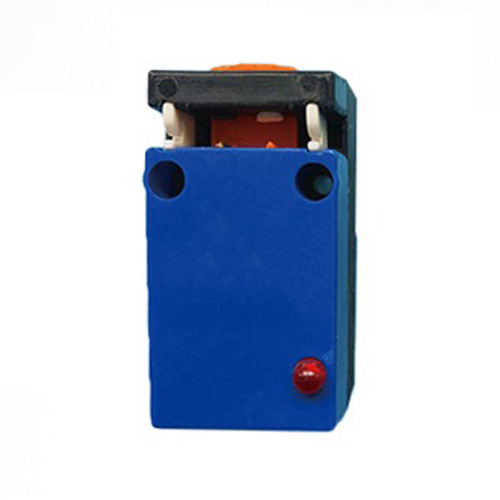
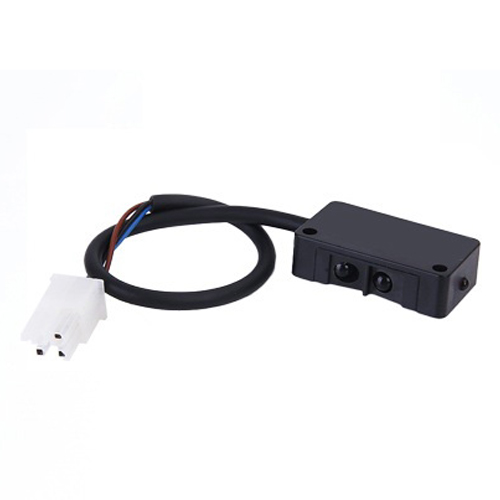
A square photoelectric sensor operates on the basic principle of using a light emitter and a receiver. The emitter projects a beam of light, and the receiver detects changes in this beam caused by the presence or absence of a target object. The square form factor is not merely an aesthetic choice; it offers practical advantages. Its design allows for easier mounting in confined spaces and often provides multiple mounting options on different faces. The housing is typically rugged, constructed from materials like nickel-plated brass or high-grade plastics, offering excellent resistance to environmental factors such as dust, moisture, and mechanical impact. This makes square sensors ideal for harsh industrial environments, including packaging lines, material handling systems, and automotive assembly plants.
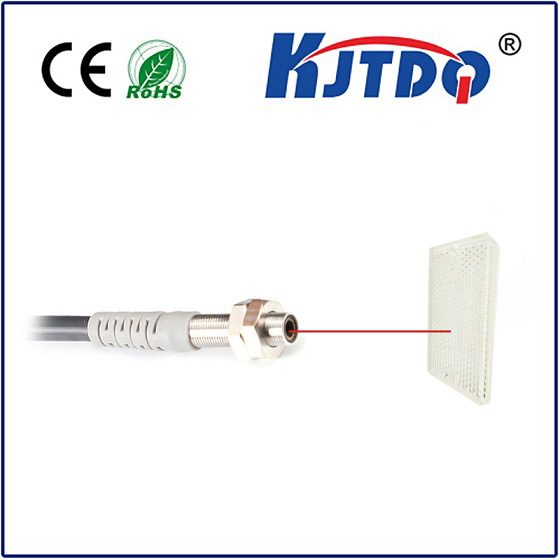
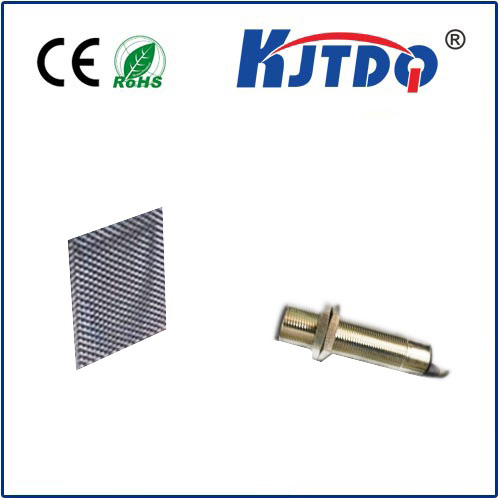
The true enhancement in capability comes with the integration of retro-reflective technology. In this operating mode, the sensor houses both the light emitter and the receiver in a single unit. It projects a beam towards a specialized reflector, known as a retro-reflector or reflex mirror. This reflector is designed to return the light beam directly back to its source along the same path, regardless of the angle of incidence. When an object interrupts this beam between the sensor and the reflector, the light signal is broken, and the sensor's output state changes, signaling detection.
The benefits of using a retro-reflective square photoelectric sensor are significant. First and foremost is simplified installation and alignment. Unlike through-beam sensors that require precise alignment of two separate units (an emitter and a receiver), the retro-reflective model only requires the sensor to be roughly aimed at its reflector. The reflector's ability to return light from a wide angle forgives minor misalignments, drastically reducing setup time and complexity. This is a major advantage in large-scale installations or in areas where sensor positioning is challenging.
Secondly, this configuration offers an excellent sensing range for a single-unit sensor. Modern square retro-reflective sensors can reliably detect objects at distances of several meters, making them suitable for monitoring conveyor belts, detecting vehicles at gateways, or controlling automated guided vehicles (AGVs). Furthermore, advanced models incorporate polarized filters. A polarized retro-reflective sensor uses a filter so that it only recognizes light that has been reflected with a specific polarization from its corresponding reflector. This innovation effectively eliminates false triggers caused by highly reflective surfaces like shiny metal, polished plastic, or even liquid surfaces, which could otherwise reflect enough light back to the sensor to mimic an unobstructed beam.
When selecting a square photoelectric sensor with retro-reflective capability, several key specifications should be considered. The sensing range must be appropriate for the application. The light source is another critical factor; while traditional red LED light is common, newer sensors use modulated infrared or even laser light for increased precision, range, and immunity to ambient light interference. The output type (e.g., NPN, PNP, analog, or IO-Link) must be compatible with the control system. Environmental ratings, denoted by IP (Ingress Protection) codes, are crucial for ensuring longevity in dusty (IP67) or wash-down (IP69K) conditions.
In practical terms, these sensors are workhorses in logistics, detecting the presence of boxes on a line or pallets on a rack. In the food and beverage industry, polarized retro-reflective sensors reliably detect transparent bottles or glossy packages without error. They monitor door positions, count products, and ensure machine safety by confirming the absence of personnel in a guarded area.
In conclusion, the square photoelectric sensor with retro-reflective technology represents a smart convergence of practical design and advanced optical sensing. Its square housing offers durability and flexible mounting, while the retro-reflective operation provides long-range, reliable detection with straightforward installation. By minimizing alignment issues and offering features like polarization to combat false readings, it delivers dependable performance that is critical for maintaining seamless, efficient, and safe automated operations. For engineers and system integrators seeking a proven and adaptable detection solution, this sensor type remains a cornerstone of modern industrial automation.