Проверка
Проверка
Проверка
Проверка
Проверка
Проверка
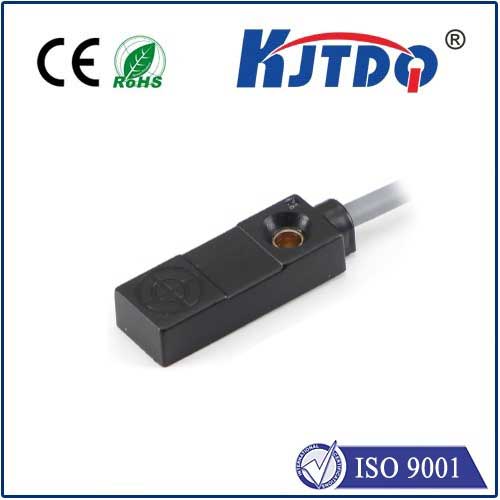
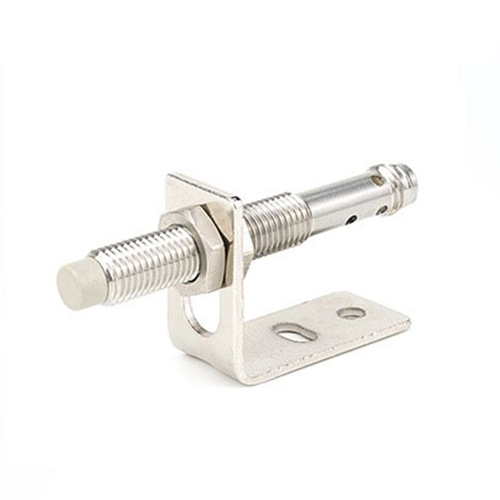
In the world of digital printing, sublimation printers have revolutionized how we create vibrant, long-lasting designs on fabrics, ceramics, and other substrates. At the heart of ensuring these printers operate with precision and efficiency lies a critical component: the photoelectric sensor. This technology, often overlooked, plays a pivotal role in maintaining print quality, reducing errors, and enhancing overall productivity.
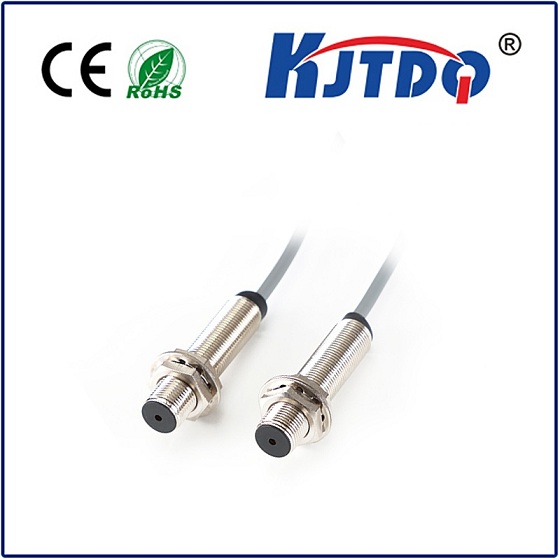
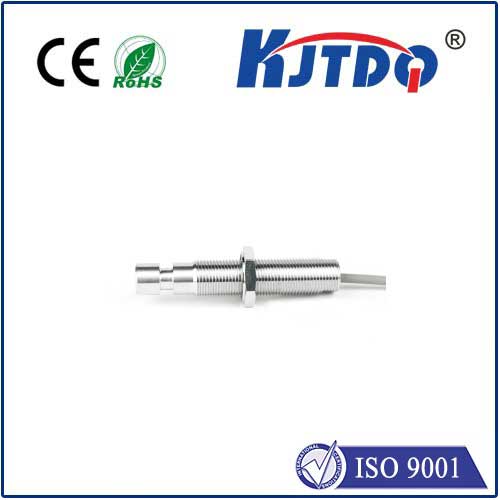
Photoelectric sensors for sublimation printers function by detecting the presence, position, or movement of materials using light beams. Typically, these sensors emit infrared or visible light and measure the reflection or interruption to determine object location. In sublimation printing, where accurate paper feeding and alignment are essential, photoelectric sensors ensure that transfer paper moves smoothly through the printer without jams or misalignments. This is crucial because even minor deviations can lead to blurred images, color shifts, or wasted materials, impacting both output and cost-effectiveness.
The integration of photoelectric sensors addresses common challenges in sublimation printing, such as inconsistent paper thickness or varying environmental conditions. Modern sensors are designed with advanced features like adjustable sensitivity and noise resistance, allowing them to adapt to different paper types and printing speeds. For instance, during high-volume production runs, sensors monitor the paper roll's diameter to prevent overfeeding or underfeeding, thereby minimizing downtime. Additionally, they can detect edge positions to ensure precise registration, which is vital for multi-color prints that require exact layer alignment.
Beyond basic detection, photoelectric sensors contribute to the automation and smart functionality of sublimation printers. Many industrial-grade printers now incorporate sensors with connectivity options, enabling real-time data transmission to control systems. This allows operators to monitor performance metrics, such as paper usage or error rates, remotely. By leveraging this data, businesses can optimize maintenance schedules, predict potential failures, and improve workflow efficiency. In turn, this reduces manual intervention, lowers operational costs, and supports sustainable practices by cutting down on material waste.
When selecting a photoelectric sensor for a sublimation printer, key factors to consider include response time, detection range, and environmental durability. Sensors with fast response times are ideal for high-speed printing applications, as they can quickly identify and correct issues without slowing down production. A suitable detection range ensures reliable performance across various printer sizes, from compact desktop models to large-format industrial machines. Moreover, since sublimation printers often operate in environments with dust, heat, or humidity, opting for sensors with robust housings and protective coatings can extend their lifespan and maintain accuracy.
In practice, the benefits of using high-quality photoelectric sensors are evident in enhanced print consistency and reduced error rates. For example, in textile printing, sensors help maintain tension control during fabric feeding, preventing wrinkles or distortions that could ruin designs. Similarly, for promotional product printing on mugs or phone cases, sensors ensure precise positioning, resulting in sharp, professional-quality outputs. This reliability not only boosts customer satisfaction but also strengthens a brand's reputation for delivering flawless products.
Looking ahead, innovations in photoelectric sensor technology continue to shape the future of sublimation printing. Emerging trends include the development of miniaturized sensors for more compact printer designs and enhanced integration with IoT platforms for smarter factory environments. As the demand for customized, on-demand printing grows, these advancements will further streamline operations, making sublimation printers more accessible and efficient for small businesses and large enterprises alike.
Ultimately, the photoelectric sensor is an unsung hero in the sublimation printing process. By ensuring accuracy, reliability, and automation, it empowers printers to achieve superior results while maximizing resource utilization. Whether for hobbyists creating custom apparel or manufacturers producing bulk orders, investing in advanced sensor technology is a step toward unlocking greater creative potential and operational excellence in the dynamic world of digital printing.