Проверка
Проверка
Проверка
Проверка
Проверка
Проверка
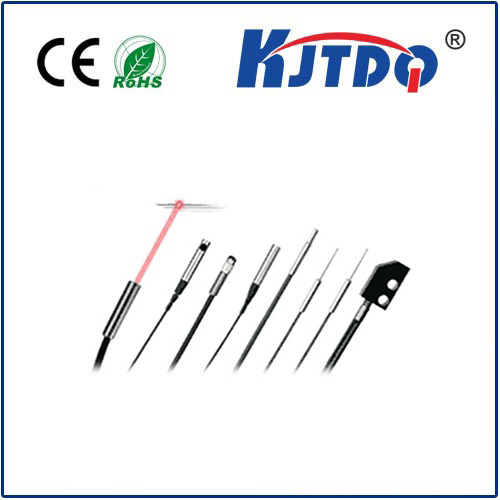
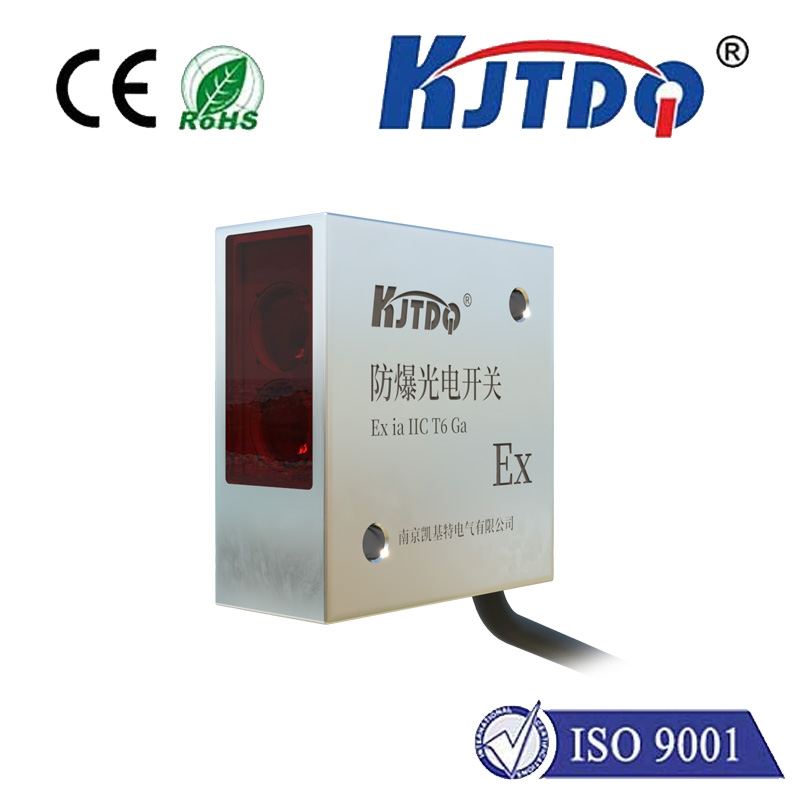
Sensor photoelectric technology represents a critical advancement in modern industrial automation and electronic systems. This technology utilizes light-based detection mechanisms to sense the presence, absence, or characteristics of objects without physical contact. At its core, a photoelectric sensor consists of an emitter, which projects a light beam, and a receiver, which detects changes in the received light signal. These changes are then converted into electrical signals for processing and action by connected control systems.
The operational principles of photoelectric sensors are primarily divided into three types: through-beam, retro-reflective, and diffuse reflective. Through-beam sensors feature separate emitter and receiver units placed opposite each other. An object is detected when it interrupts the light beam traveling between them. This configuration offers the longest sensing range and high reliability, making it suitable for demanding environments like packaging lines or material handling. Retro-reflective sensors house both emitter and receiver in a single housing, using a reflector to bounce the light beam back. Detection occurs when an object blocks this reflected beam. These sensors provide a good balance of range and ease of installation. Diffuse reflective sensors also combine emitter and receiver but detect light reflected directly off the target object itself. While their range is shorter, they are highly versatile for detecting objects of varying colors and surfaces at close quarters.
The applications of photoelectric sensors are vast and integral to numerous industries. In manufacturing, they are indispensable for tasks such as object counting on conveyor belts, precise positioning of robotic arms, and detecting jammed materials in production machinery. The logistics and warehousing sector relies on them for parcel dimensioning, barcode reading in automated sortation systems, and ensuring correct pallet stacking. Furthermore, they enhance safety in automated guided vehicles (AGVs) by providing collision avoidance through proximity detection. Beyond industrial settings, photoelectric technology is fundamental in consumer electronics, enabling features like automatic screen brightness adjustment in smartphones and laptops based on ambient light conditions. They are also pivotal in modern automotive systems for rain-sensing wipers and automatic headlight control, contributing to both convenience and driver safety.
Several key factors influence the selection and performance of a photoelectric sensor. The sensing range, which varies by type and model, must be matched to the application's requirements. Environmental conditions pose significant challenges; factors like dust, fog, or intense ambient light can interfere with light beam transmission. To combat this, many sensors employ modulated infrared light, which allows the receiver to distinguish the sensor's signal from background light, greatly enhancing reliability. The response time, or how quickly the sensor can detect a change and output a signal, is crucial for high-speed automation processes. Additionally, the physical properties of the target object—such as its color, material transparency, reflectivity, and size—directly affect detection consistency. For instance, detecting a clear glass bottle requires a different sensor setup than detecting a matte black rubber component.
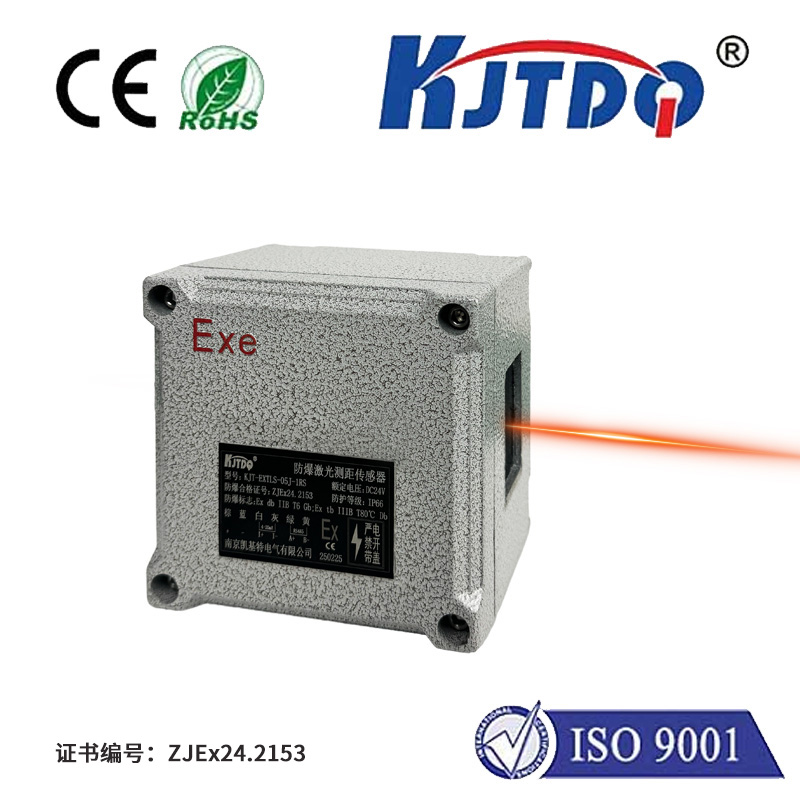
Recent innovations continue to expand the capabilities of photoelectric sensors. Miniaturization has led to compact sensors that fit into increasingly small devices and machinery. Enhanced connectivity options, including IO-Link, allow for advanced diagnostics, parameter setting, and integration into Industry 4.0 data networks, enabling predictive maintenance. The development of background suppression sensors, which can accurately detect an object within a very specific range while ignoring surfaces beyond it, has solved complex positioning problems. Furthermore, sensors with laser light sources offer extremely precise detection for alignment and measurement tasks.
Implementing sensor photoelectric systems effectively requires careful planning. Proper alignment of through-beam and retro-reflective sensors is essential for optimal operation. For diffuse sensors, understanding the target's reflectivity is key. Regular maintenance, such as cleaning lenses to prevent dust buildup, ensures long-term accuracy and prevents false triggers. Integrating these sensors with programmable logic controllers (PLCs) or other control units forms the backbone of responsive and intelligent automated systems.
In conclusion, sensor photoelectric technology is a versatile and reliable cornerstone of automation. Its ability to provide non-contact, precise, and fast detection makes it irreplaceable in applications ranging from heavy industry to everyday consumer devices. As technology evolves with smarter, more connected, and more robust designs, the role of photoelectric sensors in shaping efficient and innovative systems will only grow more significant. Understanding their principles, types, and application considerations is fundamental for engineers and technicians working across the technological landscape.