Photoelectric sensors are essential components in modern automation and control systems, converting light signals into electrical outputs to detect objects, measure distances, or monitor processes. These sensors operate on the principle of light emission and reception, offering non-contact detection with high precision and reliability. Understanding the various photoelectric sensor types is crucial for selecting the right solution for industrial, commercial, or consumer applications.
One common type is the through-beam sensor, which consists of separate emitter and receiver units placed opposite each other. The emitter projects a continuous light beam to the receiver, and an object is detected when it interrupts this beam. This design provides long sensing ranges, often up to several meters, and high immunity to environmental factors like dust or ambient light. Through-beam sensors are ideal for applications requiring accurate detection in harsh conditions, such as conveyor belt systems in manufacturing plants or safety barriers in automated machinery.
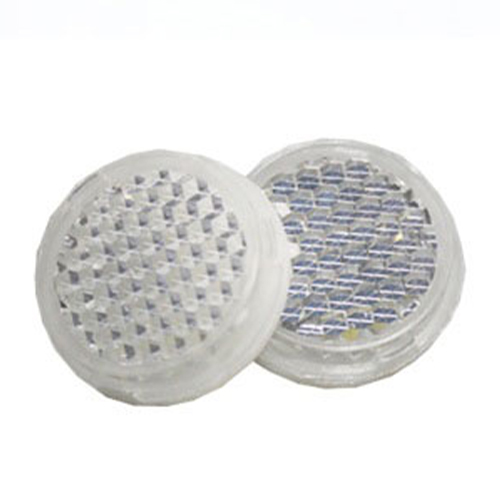
Another popular variant is the retro-reflective sensor, which integrates both emitter and receiver into a single housing. It uses a reflector to bounce the light beam back to the receiver, with detection occurring when an object blocks the reflected beam. This type offers easier installation compared to through-beam sensors, as it requires wiring on only one side. Retro-reflective sensors are suitable for medium-range applications, like packaging lines or door control systems, but they may be affected by highly reflective objects that can mimic the reflector's signal.
Diffuse reflective sensors, also known as proximity sensors, have the emitter and receiver in one unit but do not require a separate reflector. Instead, they detect objects by measuring the light scattered back from the target's surface. These sensors are compact and cost-effective, making them perfect for short-range tasks such as object counting on assembly lines or liquid level detection in tanks. However, their performance can vary based on the object's color, texture, or material, as darker surfaces may absorb more light and reduce detection reliability.
For more specialized needs, background suppression sensors use triangulation principles to ignore objects beyond a set distance, focusing only on targets within a specific range. This makes them excellent for detecting transparent or shiny materials, like glass or metal, in applications such as robotics or quality inspection. Conversely, fiber-optic photoelectric sensors employ flexible cables to transmit light, allowing detection in tight spaces or extreme temperatures where traditional sensors might fail, common in electronics manufacturing or chemical processing.
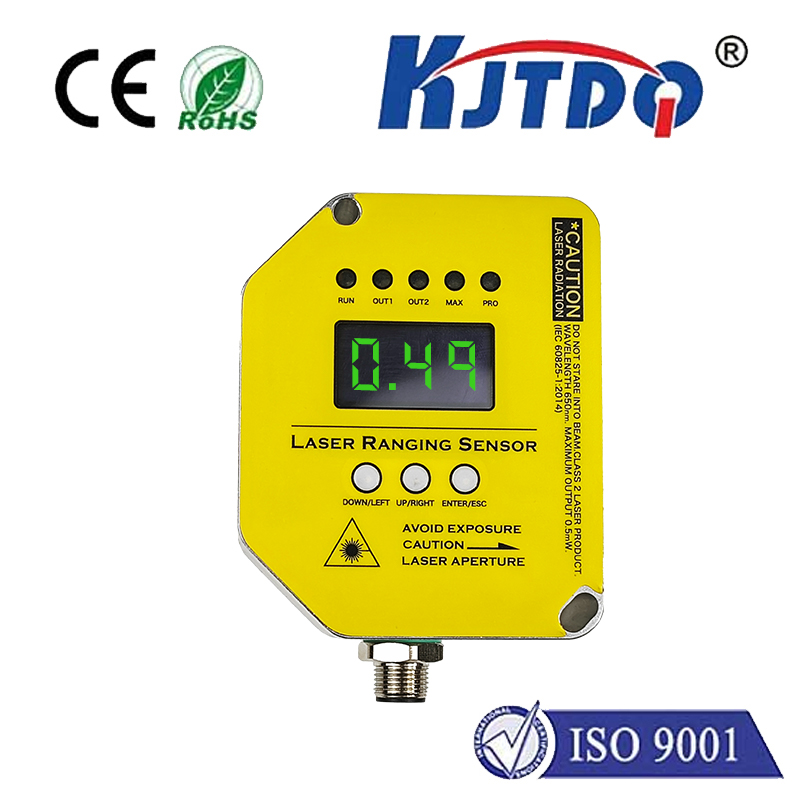
Emerging trends include laser-based photoelectric sensors, which offer higher accuracy and longer ranges for precision tasks like alignment or measurement, and color sensors that distinguish between hues for sorting or verification purposes. When choosing a photoelectric sensor, consider factors like sensing distance, environmental conditions, response time, and target properties. Regular maintenance, such as cleaning lenses and checking alignments, ensures optimal performance and longevity.
In summary, photoelectric sensor types—through-beam, retro-reflective, diffuse reflective, background suppression, and fiber-optic—each serve unique roles across industries. By matching the sensor to the application's demands, users can enhance efficiency, safety, and automation outcomes. As technology advances, these sensors continue to evolve, integrating smart features like IoT connectivity for real-time monitoring and predictive maintenance.