Проверка
Проверка
Проверка
Проверка
Проверка
Проверка
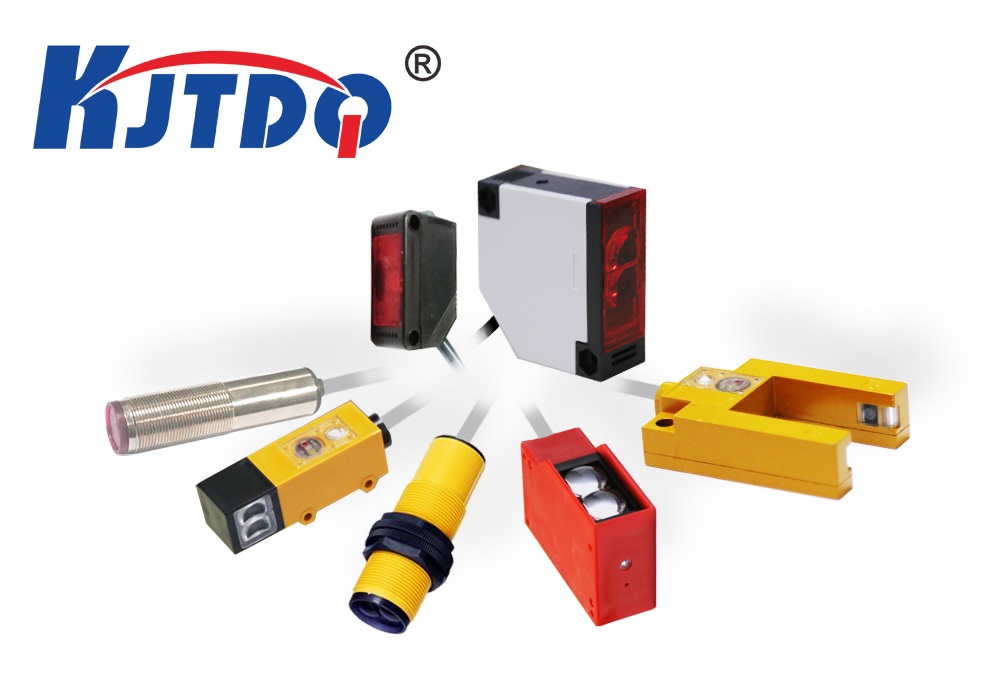
In the rapidly evolving landscape of industrial automation, the demand for reliable, accurate, and efficient sensing solutions is paramount. Among the various technologies employed, the photoelectric sensor reflector stands out as a critical component, enabling non-contact detection and measurement across countless applications. This technology, particularly the high-performance models often associated with designators like KJTDQ, represents a significant leap in operational precision and system robustness.
At its core, a photoelectric sensor system utilizing a reflector operates on a straightforward yet powerful principle. The sensor unit itself houses both an emitter, which projects a beam of light, and a receiver. Instead of requiring a separate receiver unit placed opposite the emitter (as in a through-beam setup), this system relies on a specialized reflector, often a retro-reflector. This reflector is designed to bounce the light beam directly back to its source along the same path, regardless of the angle of incidence. The sensor's receiver then detects this returned light. An object passing between the sensor and the reflector interrupts this beam, triggering a detection signal. This configuration offers a perfect balance, providing a longer sensing range than diffuse reflective sensors (which detect light bounced off the target itself) while simplifying installation compared to through-beam systems that require precise alignment of two separate units.
The integration of advanced reflectors, especially in premium lines denoted by codes like KJTDQ, brings transformative benefits to industrial settings. First and foremost is exceptional reliability. High-quality reflectors are engineered with precision optics and durable materials resistant to dust, moisture, and chemical exposure. This ensures a consistent, strong return signal even in challenging environments such as packaging lines, material handling systems, and automotive assembly plants. The stability of the detection signal minimizes false triggers and downtime, directly contributing to increased production throughput.
Furthermore, these systems offer remarkable versatility in range and application. Modern photoelectric sensor reflectors can reliably operate over distances from a few centimeters to several meters. This makes them suitable for diverse tasks, from detecting small components on a high-speed conveyor to monitoring the presence of large pallets in a warehouse aisle. The "KJTDQ" tier often implies features like background suppression technology or polarized filters. Polarized filters are particularly crucial when working with retro-reflectors, as they allow the sensor to ignore spurious reflections from shiny surfaces like metal or plastic, ensuring detection is only based on the genuine beam returned from the dedicated reflector.
Another key advantage is the significant reduction in wiring and maintenance complexity. Since only one device (the sensor) needs to be powered and connected to the control system, installation is faster and cheaper. The reflector itself is a passive component with no electronics, requiring no power or communication cables. This passive nature also means it has an exceptionally long service life with virtually zero maintenance, reducing the total cost of ownership over the system's lifecycle. For facility managers, this translates to lower operational expenses and simpler system architecture.
In practical terms, the impact is visible across industries. In logistics and warehousing, reflector-based sensors accurately control sorting gates, verify pallet placement on automated guided vehicles (AGVs), and ensure safe door operation. In manufacturing, they provide precise counting of products, monitor fill levels in transparent containers, and safeguard robotic work cells by detecting intrudions in safety light curtains. The robustness of these sensors ensures continuous operation despite ambient light fluctuations, vibration, and airborne contaminants.
Choosing the right photoelectric sensor reflector system requires careful consideration. Factors such as the required sensing distance, the size and material of the target objects, environmental conditions (temperature, humidity, particulates), and the necessary response speed are all critical. Opting for a reputable series, often indicated by a model code like KJTDQ, typically guarantees not only superior performance in these areas but also features like adjustable sensitivity, visible or audible operation indicators, and robust housing ratings (e.g., IP67 for dust and water resistance).
As Industry 4.0 and smart factory concepts continue to mature, the role of dependable sensing becomes even more central. Photoelectric sensor reflectors are evolving with integrated IO-Link communication capabilities, allowing for remote configuration, real-time diagnostics, and predictive maintenance data reporting. This intelligence layer, built upon the physical reliability of the reflector system, empowers engineers to optimize processes dynamically and preempt failures.
In conclusion, the photoelectric sensor reflector is far more than a simple component; it is an enabler of efficiency, safety, and precision in automated systems. The technological refinement embodied in high-caliber versions ensures that they meet the rigorous demands of modern industry. By providing a reliable, long-range, and easy-to-install detection solution, these systems, particularly those designed to high standards, form the invisible yet indispensable backbone of seamless automation, driving productivity and innovation forward on the factory floor and beyond.