Проверка
Проверка
Проверка
Проверка
Проверка
Проверка
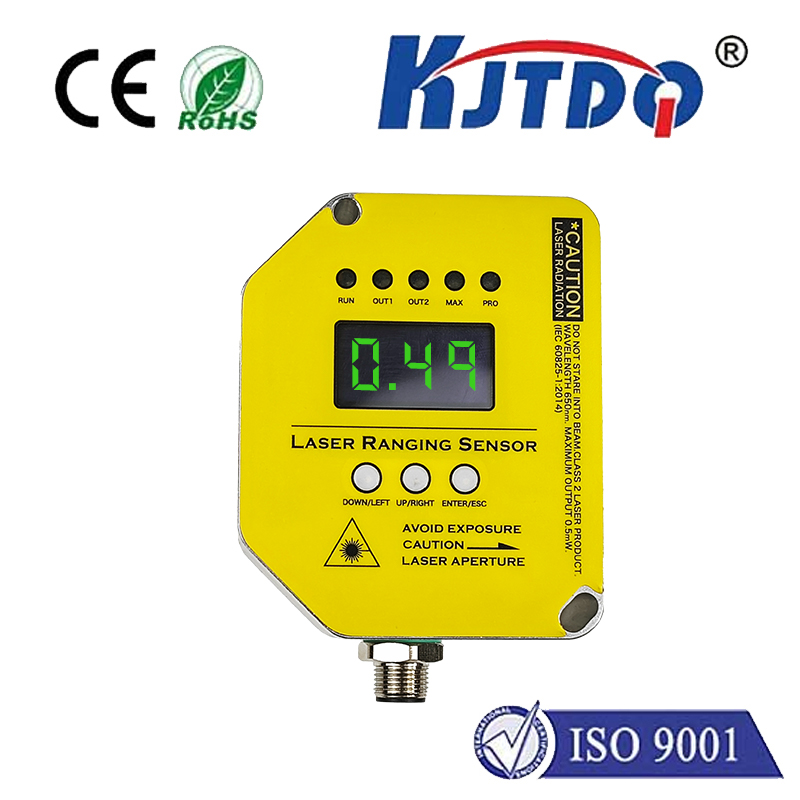
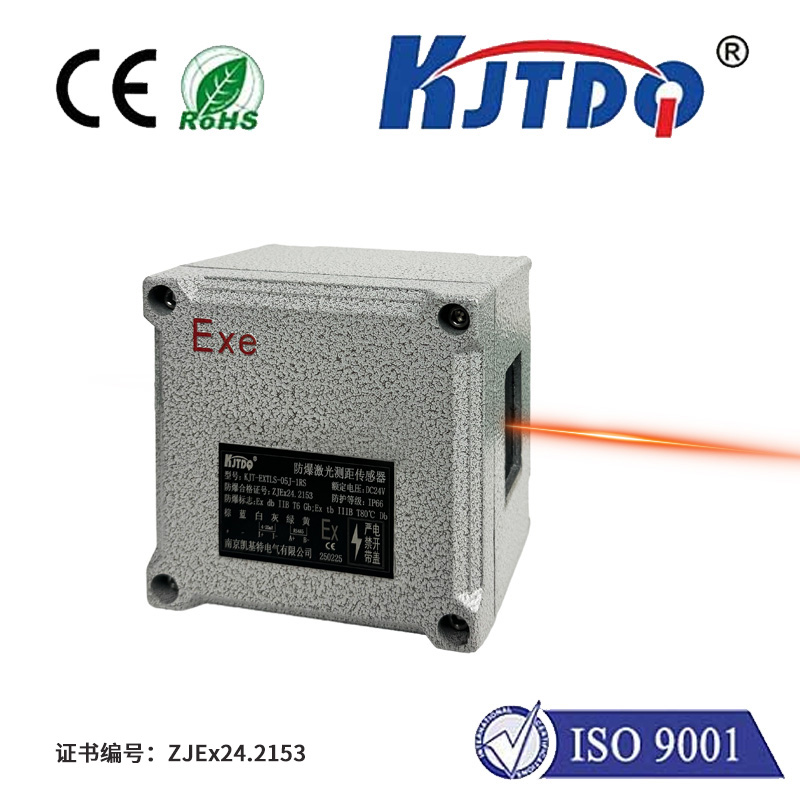
In the realm of industrial automation and precise control, achieving reliable long-distance detection has long been a significant challenge. Traditional sensors often fall short when monitoring large areas, expansive conveyor systems, or outdoor applications. This is where the 30m distance photoelectric sensor emerges as a transformative solution, offering unparalleled range and stability for demanding environments.
The core technology behind a photoelectric sensor capable of a 30-meter range typically involves a modulated infrared LED or laser diode and a highly sensitive receiver. Unlike standard diffuse sensors, these long-range models often utilize a through-beam or retro-reflective principle. In a through-beam setup, the emitter and receiver are separate units placed opposite each other. The sensor detects an object when it interrupts the light beam traveling the full 30m distance. This method provides the highest excess gain, ensuring exceptional reliability even in dusty or lightly foggy conditions. Retro-reflective models, where the emitter and receiver are housed together and bounce light off a dedicated reflector, also achieve impressive ranges, simplifying installation in many scenarios.
The applications for a sensor with a 30m operating distance are vast and critical. In warehouse and logistics automation, they are indispensable for monitoring the length of high-bay storage aisles, controlling crane positions, and ensuring safety in large automated storage and retrieval systems (AS/RS). In the automotive industry, they facilitate vehicle positioning on extended assembly lines and monitor large painted body storage areas. Outdoor applications include parking lot vehicle detection, gate and barrier control for long driveways, and monitoring conveyor belts in mining or aggregate industries where distances between transfer points can be substantial.
Several key features define a high-performance 30m photoelectric sensor. First is its powerful, focused light beam, which minimizes dispersion over distance and provides a precise detection point. Advanced models incorporate background suppression technology or precise optical alignment to ignore distant objects or structural backgrounds, focusing only on the intended detection zone. Robust housing with high IP ratings (e.g., IP67, IP69K) is essential to withstand outdoor elements, washdowns, and industrial vibrations. Furthermore, features like adjustable sensitivity, time delays, and teach-in functions via push-button or IO-Link communication allow for easy setup and adaptation to specific application needs, reducing commissioning time.
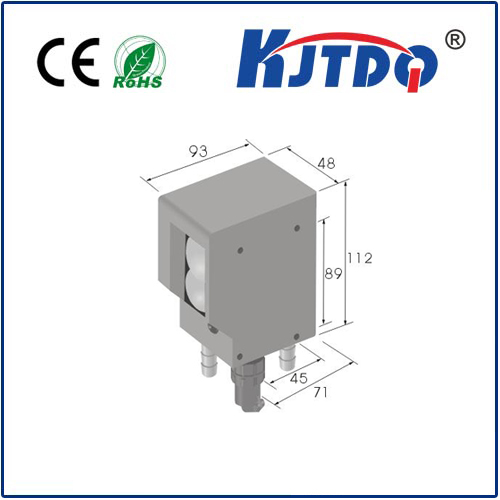
Integrating a KJTDQ series 30m photoelectric sensor into a system brings multiple operational advantages. The extended range reduces the total number of sensors required to cover a large area, leading to lower overall system costs, simplified wiring, and reduced maintenance points. The reliability of detection at such distances enhances process safety and efficiency, preventing collisions, ensuring accurate counting over long conveyors, and enabling precise positioning control. This reliability directly translates to reduced downtime and higher throughput.
When selecting a 30m photoelectric sensor, it is crucial to consider the specific environmental conditions. Factors such as ambient light (direct sunlight can interfere with some models), airborne particulates, temperature extremes, and potential mechanical impacts must be evaluated. Consulting with technical specialists to choose the correct operating principle (through-beam vs. retro-reflective), light source type, and housing material ensures optimal performance and longevity. Proper alignment during installation, often aided by visible red light or precise alignment tools, is critical for maximizing the effective range and stability of the sensor.
The evolution towards Industry 4.0 and smart factories further amplifies the value of these long-range sensors. When equipped with digital communication protocols, they can provide not just a simple on/off signal but also diagnostic data like signal strength, lens contamination warnings, and operating temperature. This predictive maintenance capability allows teams to address potential issues before they cause a line stoppage, pushing operational efficiency to new heights.
In conclusion, the 30m distance photoelectric sensor is not merely an incremental improvement but a fundamental enabler for large-scale automation. By providing a dependable "eye" over vast distances, it solves complex detection challenges that shorter-range devices cannot address. For engineers and system integrators designing the next generation of industrial systems, specifying a robust, long-range photoelectric sensor like the KJTDQ series is a strategic decision that lays the foundation for safety, efficiency, and scalable automation.