Проверка
Проверка
Проверка
Проверка
Проверка
Проверка
In the rapidly evolving landscape of industrial automation, precision and reliability are non-negotiable. The integration of advanced sensing technology forms the backbone of efficient production lines, quality control systems, and safety mechanisms. Among the various sensing solutions available, the cylindrical photoelectric sensor has emerged as a cornerstone component, offering versatility and robustness for diverse applications. This article explores the fundamental principles, key advantages, and practical implementations of these critical devices, highlighting how modern iterations are pushing the boundaries of operational efficiency.
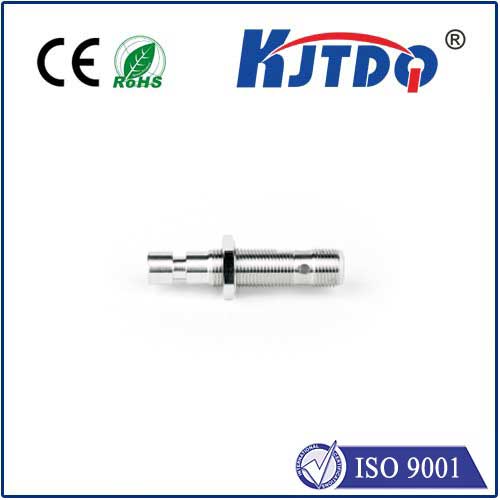
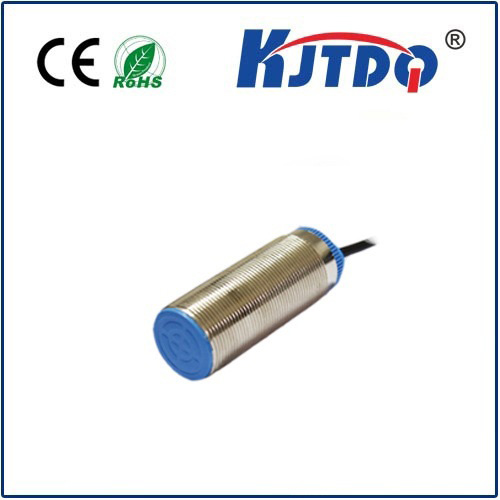
At its core, a cylindrical photoelectric sensor operates by emitting a beam of light—typically infrared, visible red, or laser—and detecting changes in the received light signal. The cylindrical housing, a defining feature, provides a durable and standardized form factor ideal for withstanding harsh industrial environments. This design offers inherent protection against dust, moisture, and mechanical impact, ensuring consistent performance in settings ranging from packaging and material handling to automotive assembly and food processing. The sensing principle allows for non-contact detection, meaning the sensor can identify objects without physical touch, thereby eliminating wear and tear and enabling high-speed operation.
The primary operating modes include through-beam, retro-reflective, and diffuse reflection. Through-beam models consist of separate emitter and receiver units, offering the longest sensing ranges and highest reliability for detecting opaque objects. Retro-reflective types use a single unit that emits light and receives its reflection from a dedicated reflector, providing a convenient solution for clear object detection. Diffuse reflection sensors, or proximity sensors, detect light reflected directly from the target object itself, making them ideal for applications where installing a reflector or a separate receiver is impractical. Each mode serves distinct purposes, allowing engineers to select the optimal configuration for specific distance, object, and environmental requirements.
Modern cylindrical photoelectric sensors incorporate significant technological advancements. Features such as background suppression enable precise detection of objects against complex or reflective backgrounds, preventing false triggers. Advanced models offer teach-in functionality for easy setup, adjustable sensitivity, and time-delay functions. The integration of IO-Link communication is a game-changer, facilitating smart sensor capabilities. This allows for real-time parameter adjustment, continuous condition monitoring, predictive maintenance alerts, and seamless data integration into higher-level control systems like PLCs. This digital transformation turns a simple detection device into a valuable source of operational intelligence.
The benefits of deploying high-quality cylindrical photoelectric sensors are substantial. They contribute directly to increased production line uptime by providing reliable, maintenance-free operation. Their accuracy minimizes errors in object counting, positioning, and sorting, leading to improved product quality and reduced waste. The non-contact nature ensures no damage to delicate products, while their robust construction minimizes downtime due to sensor failure. Furthermore, their versatility means a single sensor type can often be applied across multiple stages of a process, simplifying inventory management and training.
Selecting the right sensor requires careful consideration of several application-specific factors. The sensing distance, object size, material, color, and surface finish are primary determinants. Environmental conditions such as ambient light, temperature extremes, presence of dust, fog, or cleaning chemicals dictate the required ingress protection (IP) rating. The required output type (PNP/NPN, analog, or IO-Link) must be compatible with the existing control architecture. Consulting with technical specialists or utilizing online selection tools provided by manufacturers can ensure an optimal match, guaranteeing performance and longevity.
In conclusion, the cylindrical photoelectric sensor remains an indispensable tool in the automation engineer's arsenal. Its evolution from a basic presence detector to an intelligent, connected component mirrors the broader trend towards Industry 4.0. By enabling precise, reliable, and data-rich object detection, these sensors form a critical link in creating smarter, more efficient, and more responsive automated systems. Their continued development promises to unlock new levels of productivity and innovation across virtually every manufacturing and processing sector.