Проверка
Проверка
Проверка
Проверка
Проверка
Проверка
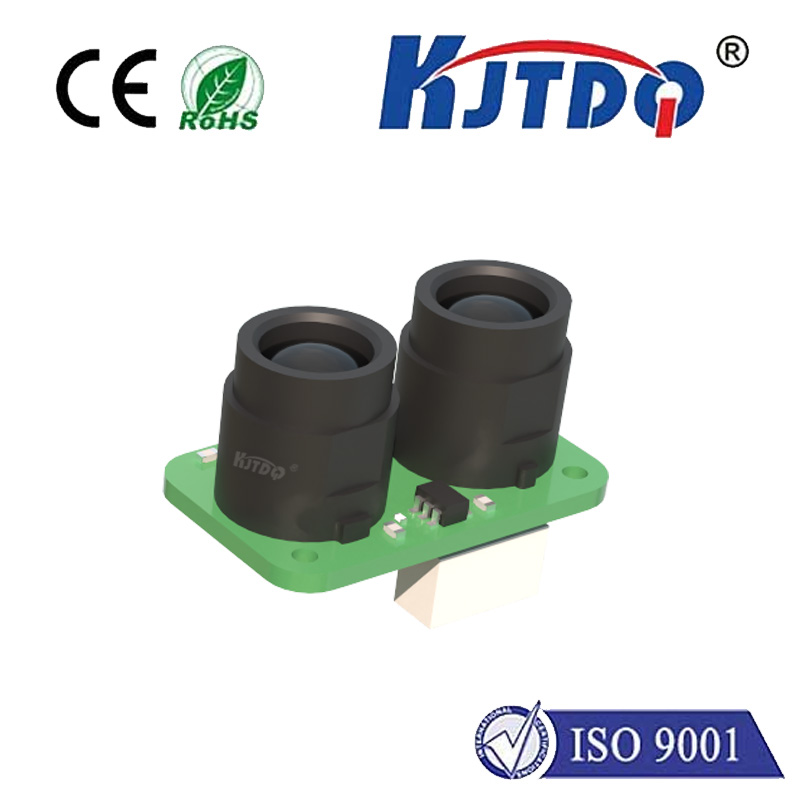
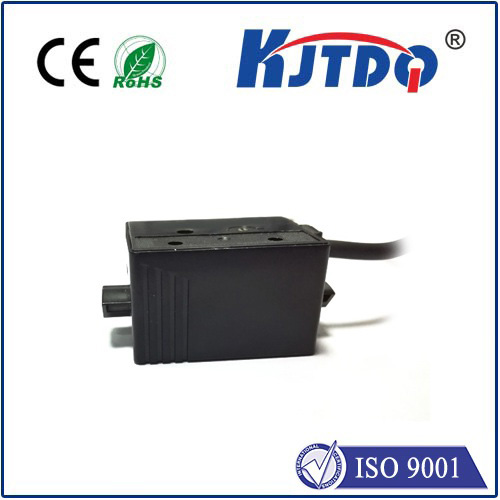
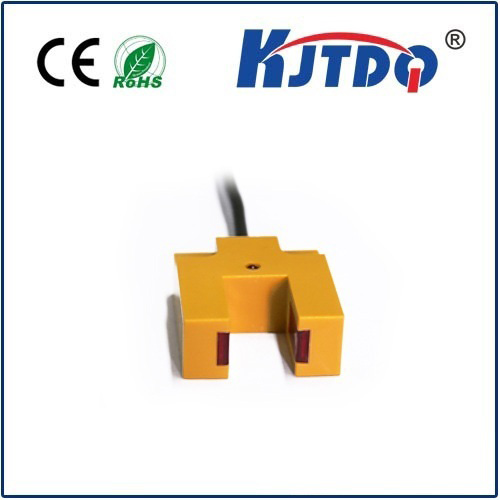
In the world of industrial automation, efficiency and accuracy are paramount. The photoelectric switch feeding sensor stands as a critical component in achieving these goals, offering unparalleled precision in material handling and production line management. This technology utilizes light beams to detect the presence, absence, or position of objects, making it indispensable for applications ranging from packaging and assembly to conveyor systems and robotic guidance. Unlike mechanical sensors, photoelectric switches operate without physical contact, reducing wear and tear and minimizing maintenance needs. Their ability to function in harsh environments—resistant to dust, moisture, and temperature fluctuations—ensures consistent performance in industries like manufacturing, logistics, and food processing.
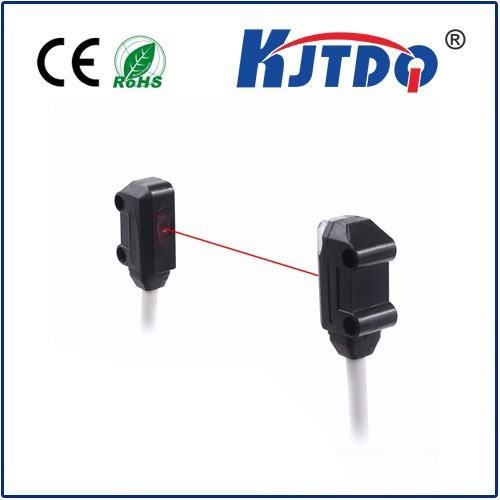
The core mechanism of a photoelectric switch feeding sensor involves an emitter that projects a light beam and a receiver that detects changes in light intensity. When an object interrupts the beam, the sensor triggers a response, such as activating a feeder or stopping a conveyor. This non-contact detection method allows for high-speed operations and reduces the risk of product damage. For instance, in automated feeding systems, these sensors ensure materials are delivered at the correct intervals, preventing jams and optimizing throughput. Advanced models feature adjustable sensitivity, enabling customization for different materials, from transparent plastics to opaque metals.
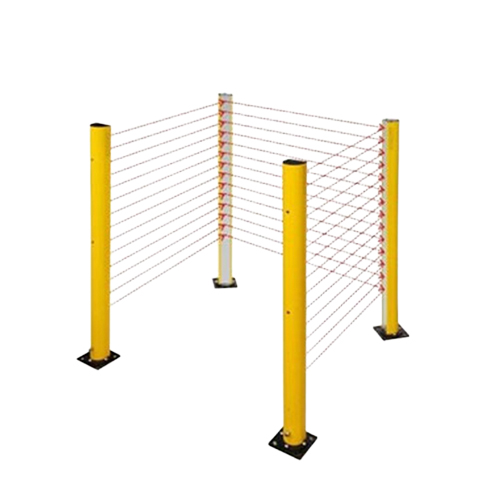
One of the key advantages of photoelectric switch feeding sensors is their versatility. They come in various types, including through-beam, retro-reflective, and diffuse reflective sensors, each suited to specific applications. Through-beam sensors, with separate emitter and receiver units, offer long-range detection and high accuracy, ideal for large-scale industrial setups. Retro-reflective sensors use a reflector to bounce light back to the receiver, making them cost-effective for medium-range tasks. Diffuse reflective sensors detect objects by measuring reflected light from the target itself, perfect for close-range or color-sensitive operations. This adaptability allows businesses to integrate them seamlessly into existing systems, enhancing automation without major overhauls.
Reliability is another standout feature. Photoelectric switches are designed for durability, with rugged housings that protect against impacts and environmental stressors. Many models incorporate LED indicators for easy status monitoring, reducing downtime during troubleshooting. In feeding applications, this reliability translates to fewer errors and higher product quality. For example, in pharmaceutical manufacturing, sensors ensure precise dosing and packaging, complying with strict regulatory standards. Similarly, in agriculture, they automate seed or fertilizer distribution, boosting efficiency in resource-limited settings.
Implementing photoelectric switch feeding sensors also contributes to energy savings and sustainability. Their low power consumption aligns with green initiatives, while their longevity reduces electronic waste. By optimizing material flow, these sensors minimize overproduction and scrap, supporting lean manufacturing principles. As industries embrace Industry 4.0 and IoT connectivity, these sensors can be integrated with smart networks for real-time data analytics, enabling predictive maintenance and further efficiency gains.
In summary, the photoelectric switch feeding sensor is a cornerstone of modern automation, driving precision, reliability, and cost-effectiveness. Its non-contact operation, environmental resilience, and adaptability make it a valuable asset across diverse sectors. For businesses seeking to enhance their operational workflows, investing in high-quality photoelectric sensors can lead to significant improvements in productivity and quality control. As technology evolves, these sensors will continue to play a pivotal role in shaping the future of automated industrial systems.