Проверка
Проверка
Проверка
Проверка
Проверка
Проверка
In the fast-paced world of industrial automation, precision and reliability are non-negotiable. Among the myriad of sensing technologies available, the trough beam photoelectric sensor stands out as a cornerstone for countless applications, from packaging and material handling to automotive assembly and security systems. This comprehensive guide delves into the workings, advantages, and practical uses of this robust sensor type, offering insights for engineers and decision-makers seeking to optimize their operations.
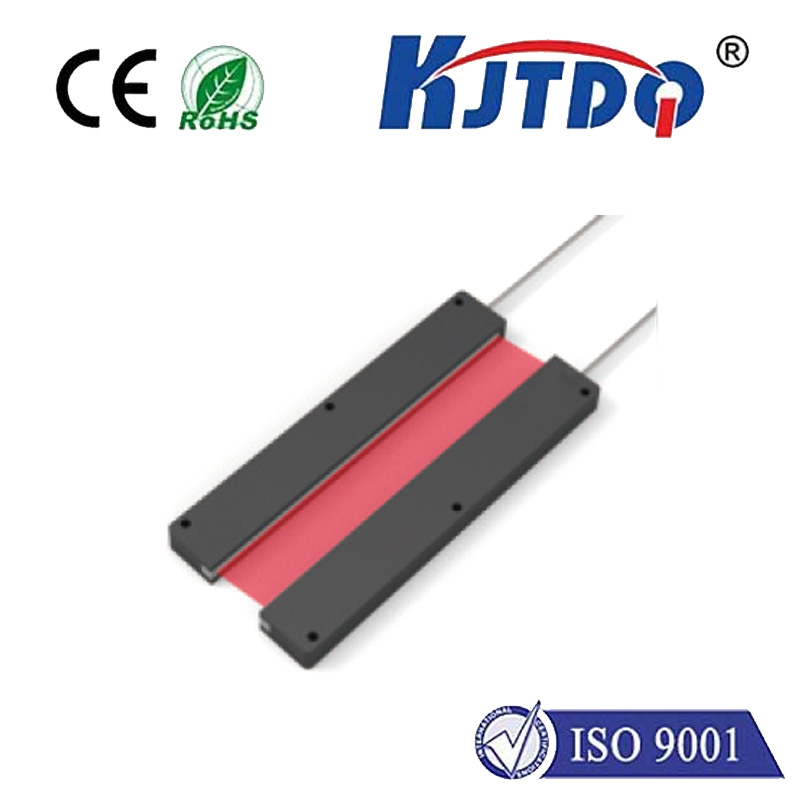
A trough beam photoelectric sensor, often referred to as a through-beam sensor, operates on a straightforward yet highly effective principle. It consists of two separate units: a transmitter and a receiver. The transmitter emits a focused beam of light—typically infrared, visible red, or laser—directly toward the receiver unit. When an object passes between the two, it interrupts this light beam. The receiver detects this interruption and triggers an output signal. This simple "break-the-beam" mechanism is key to its functionality.
The primary strength of the trough beam sensor lies in its exceptional sensing range and reliability. Because the beam travels directly from transmitter to receiver without relying on reflection, it can achieve very long detection distances, often up to several tens of meters. This makes it ideal for monitoring large areas or detecting objects on expansive conveyor belts. Furthermore, its performance is largely unaffected by the color, surface texture, or reflectivity of the target object. Whether detecting a clear glass bottle, a matte black box, or a shiny metal part, the sensor responds consistently, ensuring fewer false readings and higher system uptime.
Compared to other photoelectric sensor types like retro-reflective or diffuse sensors, the trough beam variant offers superior accuracy and stability in challenging environments. It is less susceptible to interference from ambient light or background objects, as the receiver is tuned specifically to the transmitter's signal. However, this design requires careful alignment during installation and maintenance of both components, which can be a consideration in vibrating or shifting setups.
In practical industrial settings, trough beam photoelectric sensors are indispensable. In packaging lines, they accurately count products, control filling levels, and verify label presence. In automotive manufacturing, they ensure precise positioning of components during robotic assembly. For security applications, they form invisible barriers to detect unauthorized entry into restricted zones. Their robust construction, often featuring IP67 or higher ratings, allows them to withstand dust, moisture, and mechanical shocks, making them suitable for harsh factory floors.
When selecting a trough beam sensor for a specific application, several factors must be evaluated. The required sensing distance, response speed, output type (e.g., NPN, PNP, or analog), and environmental conditions are critical. Modern sensors also come with advanced features like adjustable sensitivity, built-in diagnostics via IO-Link, and programmable logic functions, adding layers of intelligence to automation systems. Proper installation is crucial; ensuring stable mounting and precise alignment maximizes performance and longevity. Regular maintenance, such as cleaning the lenses to prevent dust buildup, helps maintain optimal operation.
Looking ahead, the integration of trough beam sensors with Industrial Internet of Things (IIoT) platforms is a growing trend. Sensors equipped with networking capabilities can provide real-time data on operational status, predictive maintenance alerts, and process analytics, contributing to smarter, more efficient factories. This evolution underscores the sensor's role not just as a detection tool, but as a data source for continuous improvement.
In conclusion, the trough beam photoelectric sensor remains a vital, reliable workhorse in industrial automation. Its simple principle belies its powerful impact on efficiency, safety, and quality control. By understanding its capabilities and proper application, businesses can leverage this technology to build more resilient and productive automated systems, driving innovation and competitive advantage in an increasingly automated world.