Проверка
Проверка
Проверка
Проверка
Проверка
Проверка
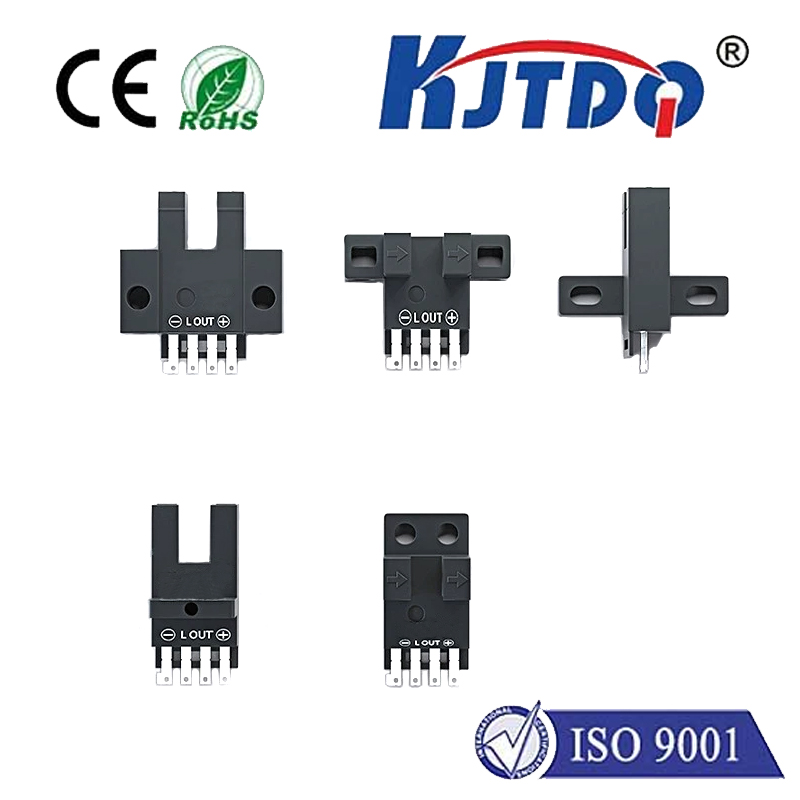
In today's rapidly evolving industrial landscape, automation has become a cornerstone for efficiency and precision. Among the key components driving this transformation are photoelectric sensors, with U type variants standing out for their reliability and versatility. The KJTDQ U type photoelectric sensor exemplifies this innovation, offering a seamless solution for detection and control applications across various sectors.
U type photoelectric sensors operate on a simple yet effective principle: they consist of a transmitter and receiver housed in a single U-shaped unit. When an object passes through the gap, it interrupts the light beam, triggering a signal that can be used for counting, positioning, or safety purposes. This design eliminates the need for alignment between separate components, reducing installation time and minimizing errors. The KJTDQ model enhances this with advanced features such as high-speed response, robust construction for harsh environments, and adjustable sensitivity to accommodate diverse materials and conditions.
One of the primary advantages of the KJTDQ U type photoelectric sensor is its adaptability. In manufacturing lines, it ensures accurate detection of items on conveyor belts, from small electronic parts to large packages, improving throughput and reducing waste. In packaging industries, it helps in precise cutting and sealing processes by detecting material edges. Additionally, its application extends to automated machinery, where it monitors movement and prevents collisions, enhancing operational safety. The sensor's ability to function in varying light conditions—thanks to modulated infrared light technology—makes it suitable for both indoor and outdoor settings, including areas with ambient light interference.
Durability is another critical factor in industrial settings, and the KJTDQ sensor excels here. Built with high-grade materials, it resists dust, moisture, and mechanical shocks, ensuring long-term performance with minimal maintenance. This reliability translates to cost savings for businesses, as downtime is reduced and productivity is maximized. Furthermore, the sensor's compact design allows for easy integration into existing systems without requiring extensive modifications, making it a practical choice for upgrades or new installations.
From a technical perspective, the KJTDQ U type photoelectric sensor offers multiple output options, including NPN and PNP configurations, to match different control systems. Its wide voltage range supports compatibility with various power supplies, while LED indicators provide real-time status updates for troubleshooting. These features empower engineers and technicians to implement customized solutions that meet specific operational needs, whether in automotive assembly, food processing, or logistics.
Looking ahead, the role of U type photoelectric sensors in automation is set to expand with advancements in IoT and smart manufacturing. The KJTDQ model, with its precision and resilience, is poised to contribute to this growth by enabling more interconnected and responsive systems. By investing in such technology, companies can not only streamline their processes but also gain a competitive edge in an increasingly automated world.
In summary, the KJTDQ U type photoelectric sensor represents a vital tool for modern industry, blending simplicity with sophistication to address real-world challenges. Its impact on efficiency, safety, and adaptability underscores why it has become a preferred choice for professionals seeking reliable detection solutions. As automation continues to evolve, embracing innovations like this sensor will be key to driving progress and achieving sustainable success.