Проверка
Проверка
Проверка
Проверка
Проверка
Проверка
In today's world, where safety is paramount, early fire detection can mean the difference between a minor incident and a catastrophic loss. At the heart of modern fire alarm systems lies a critical component: the photoelectric smoke sensor. This sophisticated device operates on a principle distinct from its ionization counterparts, offering superior performance in detecting the most common type of residential fire—smoldering fires that produce large smoke particles.
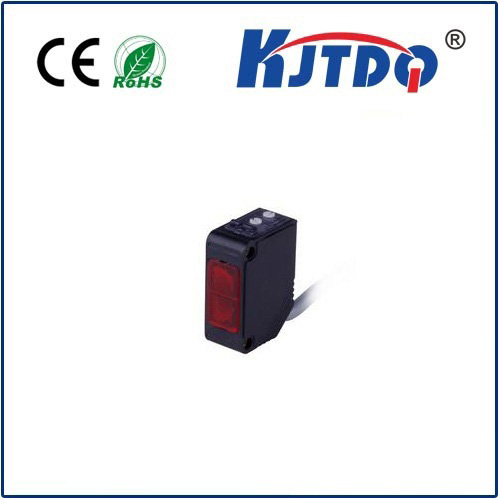
A photoelectric smoke sensor, often referred to as an optical smoke detector, utilizes a light source and a photosensitive sensor arranged within a sensing chamber. Typically, the light source, an LED, emits a beam of light that is directed away from the sensor in a clean-air state. When smoke particles enter the chamber, they scatter the light beam. Some of this scattered light is deflected onto the photosensitive sensor, such as a photodiode. This change in light intensity triggers the alarm. This method is exceptionally responsive to the larger, visible smoke particles generated by slow, smoldering fires from overheated wiring, cigarettes, or upholstery.
The advantages of integrating photoelectric smoke sensor technology are significant. Its high sensitivity to smoldering fires allows for earlier warning, providing occupants with more precious time to evacuate safely. Furthermore, these sensors are generally less prone to nuisance alarms from cooking fumes or steam compared to some ionization models when installed appropriately, reducing false alarms and maintaining system credibility. Their reliability and lower maintenance needs make them a cornerstone for both residential and commercial fire safety plans.
Modern advancements have further refined photoelectric smoke sensors. Features like dual-sensor technology, which combines photoelectric and thermal or ionization elements, create a more comprehensive detection system capable of responding to a wider range of fire types. Smart connectivity is another leap forward, allowing sensors to communicate with centralized home automation systems, send alerts directly to mobile devices, and perform self-tests, ensuring constant operational readiness.
When selecting a fire detection system, understanding the environment is crucial. For areas like bedrooms, living rooms, and hallways near sleeping quarters, where smoldering fires are most likely to begin, photoelectric smoke sensors are highly recommended by safety experts. It is also a best practice to install interconnected alarms so that when one sensor detects smoke, all alarms in the network sound, alerting everyone in the building regardless of their location.
Regular testing and maintenance are non-negotiable for ensuring any smoke sensor functions correctly. This includes monthly tests using the device's button, periodic cleaning to prevent dust buildup that could interfere with the optical chamber, and battery replacement as needed. Adhering to local safety codes and standards for installation and placement is equally vital for optimal protection.
In conclusion, the photoelectric smoke sensor represents a mature and reliable technological solution for proactive fire safety. By providing early and accurate detection of dangerous smoldering smoke, it forms an essential layer of protection for property and, more importantly, human life. Investing in quality photoelectric sensors, integrating them into a broader safety plan, and maintaining them diligently are fundamental steps toward creating a safer living and working environment for everyone.