Проверка
Проверка
Проверка
Проверка
Проверка
Проверка
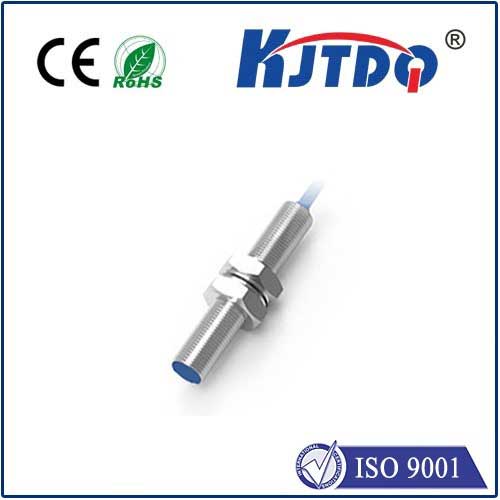
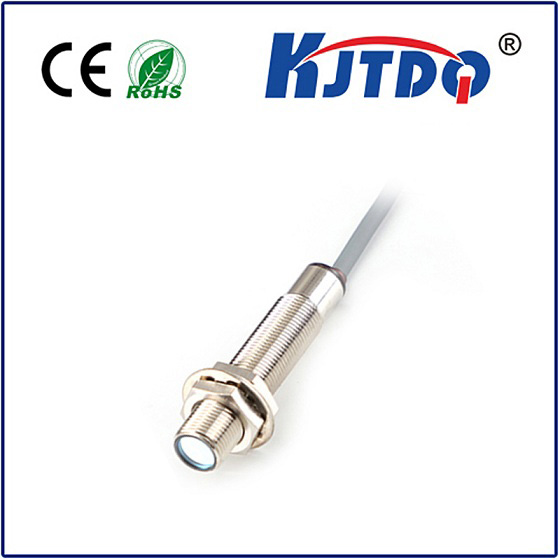
In the rapidly evolving landscape of industrial automation, precision and reliability are non-negotiable. The integration of advanced sensing technology forms the backbone of efficient production lines, quality control systems, and safety mechanisms. Among the diverse range of sensors available, the square photoelectric sensor, particularly when paired with retro-reflective technology, stands out as a cornerstone for numerous applications. This combination, exemplified by the KJTDQ series, offers a robust solution for object detection, positioning, and counting tasks across various industries.
The fundamental advantage of a square photoelectric sensor lies in its versatile form factor and robust construction. Unlike cylindrical sensors, the square design often provides a larger sensing face, allowing for easier alignment and a more generous mounting surface. This design inherently offers improved resistance to environmental factors such as vibration and mechanical stress. The housing is typically engineered from durable materials like PBT or metal, ensuring longevity in harsh industrial environments involving dust, moisture, or chemical exposure. The KJTDQ series leverages this design philosophy, delivering a sensor that is not only physically resilient but also consistent in performance.
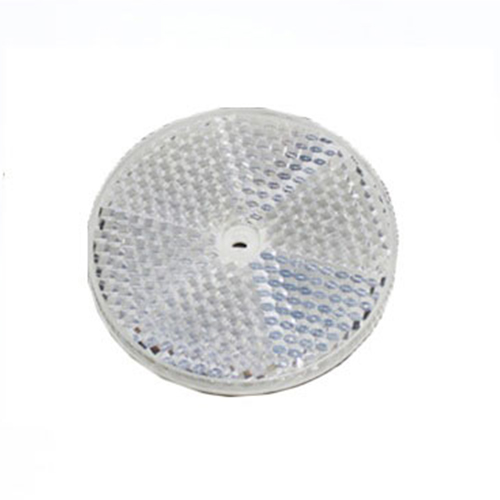
When this robust square design is combined with retro-reflective sensing mode, the operational benefits multiply significantly. Retro-reflective photoelectric sensors work by emitting a light beam towards a specialized reflector. This reflector, unlike a simple mirror, is designed to return the light beam directly to its source regardless of the angle of incidence, within a specified range. The sensor detects the presence of an object when this beam is interrupted. This mode strikes an ideal balance between sensing range and installation simplicity. It offers a longer range than diffuse (proximity) sensors and eliminates the complexity and cost of running cables to a separate receiver, as required with through-beam sensors.
The KJTDQ square photoelectric sensor utilizing retro-reflective technology excels in several key operational parameters. It typically features an extended sensing distance, capable of reliably detecting objects several meters away from the sensor head. The use of a modulated LED light source, often in red or infrared wavelengths, makes it highly immune to ambient light interference from factory lighting or sunlight. This ensures stable detection without false triggers. Furthermore, advanced models include features like background suppression or foreground suppression logic, allowing the sensor to ignore objects beyond a certain distance or only detect objects within a specific range, respectively. This is crucial for applications where the target object passes in front of a more distant background.
Practical applications for the KJTDQ retro-reflective square sensor are vast and varied. In packaging and material handling, they are indispensable for detecting the presence of boxes on a conveyor, ensuring proper spacing, and counting products. In the automotive industry, these sensors verify the correct placement of components on an assembly line. They are also widely used for door control systems, detecting when a person or vehicle approaches an automatic door, and in storage systems for monitoring pallet positions. Their robust square build makes them ideal for these high-traffic, demanding environments.
Selecting and implementing the right sensor is critical for optimal performance. For the KJTDQ retro-reflective sensor, proper alignment with the reflector is simpler than aligning two separate units but still requires attention. The sensor and reflector should be mounted securely and aligned within the specified beam angle. The choice of reflector size and material (e.g., prismatic or tape) depends on the required range and environmental conditions. It is also vital to consider the object properties; while retro-reflective sensors can detect most opaque materials, highly reflective or transparent objects may require a polarized filter accessory, which the KJTDQ series often supports, to prevent the sensor from seeing through the object or being fooled by its shine.
Maintenance of these systems is generally straightforward. The solid-state design of the KJTDQ sensor means there are no moving parts to wear out. Regular cleaning of the lens and the reflector surface is the primary maintenance task to prevent dust or grime from attenuating the light beam and reducing the effective sensing range. The IP67 or higher ingress protection rating commonly found on these square sensors allows them to be cleaned easily and withstand washdowns in food and beverage or pharmaceutical applications.
In conclusion, the synergy between the durable square form factor and the efficient retro-reflective sensing principle creates a powerful tool for industrial automation. The KJTDQ square photoelectric sensor with retro-reflective capability provides a reliable, long-range, and easy-to-install detection solution. Its versatility and resilience make it a preferred choice for engineers and system integrators looking to enhance the efficiency, safety, and intelligence of automated processes. By ensuring precise and uninterrupted object detection, it contributes directly to reduced downtime, improved product quality, and higher overall operational throughput.