Проверка
Проверка
Проверка
Проверка
Проверка
Проверка
In the world of industrial automation and precise object detection, the slot photoelectric sensor stands as a fundamental yet highly sophisticated component. Often referred to as a through-beam sensor in a compact, self-contained unit, it is a workhorse for countless applications requiring reliable, non-contact sensing. This guide delves into the operational principles, key advantages, diverse applications, and critical selection criteria for these indispensable devices.
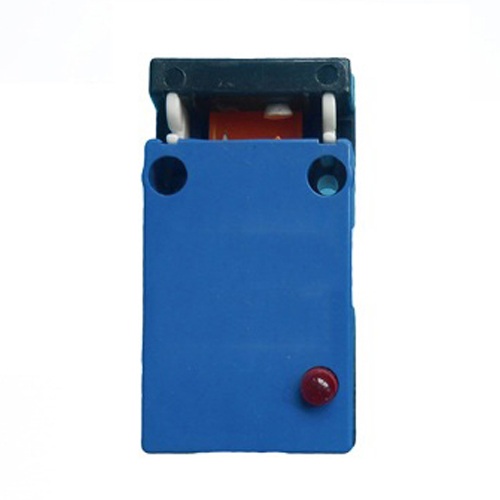
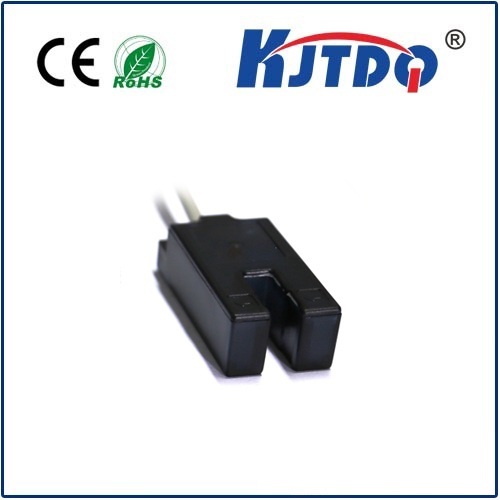
At its core, a slot photoelectric sensor is a U-shaped device where an infrared or visible light emitter and a receiver face each other across a narrow gap or "slot." The fundamental principle is elegantly simple: the emitter projects a continuous beam of light directly onto the receiver. When an object passes through this slot, it interrupts the light beam. The receiver detects this interruption and triggers an electrical signal change at the output, signaling the presence of the object. This through-beam arrangement is renowned for its high reliability and long sensing range relative to its size, as the light travels directly from source to detector with minimal dispersion.
The design offers several compelling advantages. First is exceptional reliability and accuracy. The direct light path makes these sensors highly immune to environmental factors like target color, reflectivity, or surface finish; they detect virtually any opaque object that breaks the beam. Second, they provide a consistent and well-defined sensing window. The physical slot precisely defines the detection area, eliminating the guesswork sometimes associated with diffuse reflective sensors. This makes them ideal for counting, positioning, and edge detection tasks where precision is paramount. Third, their self-contained nature simplifies installation. There's no need for precise, separate alignment of emitter and receiver units, reducing setup time and maintenance headaches.
The applications for slot photoelectric sensors are vast and varied across industries. In printing and packaging machinery, they are ubiquitous for detecting paper jams, verifying label presence, or counting sheets by sensing perforations or edges. Within automated assembly lines, they verify the presence of components, monitor the passage of items on conveyors, and ensure correct positioning. They play a crucial role in security systems, acting as safety interlock sensors on doors or guards to halt machinery when the beam is broken. Furthermore, they are found in vending machines to confirm product dispensing, in textile manufacturing for thread break detection, and in robotics for precise arm positioning.
Selecting the right slot sensor for a specific task requires careful consideration of several parameters. The slot width and depth are primary physical constraints, determining the maximum size of the object that can pass through and the required mounting clearance. The sensing gap, or the distance between the emitter and receiver inside the slot, affects the minimum detectable object size. The output type—whether NPN (sinking) or PNP (sourcing) transistor, or a digital relay—must be compatible with the controller (PLC, microcontroller) being used. Response time is critical for high-speed applications, such as counting fast-moving items. Environmental robustness is another key factor; many models offer sealed housings (IP67 rating is common) to withstand dust, moisture, and occasional splashes in harsh industrial settings. Finally, some advanced models feature modulated LED light sources, which pulse at a specific frequency. This makes them highly resistant to ambient light interference from factory lighting or sunlight, ensuring stable operation in challenging optical environments.
Installation and maintenance are generally straightforward. Ensuring the slot is free from obstructions, dust, or debris that could cause false triggers is essential. Regular cleaning of the lens windows on both sides of the slot maintains optimal performance. For reliable operation, it is important to power the sensor with a stable voltage within its specified range and ensure the load connected to its output does not exceed its current rating.
In conclusion, the slot photoelectric sensor is a paradigm of efficient and reliable sensing technology. Its simple through-beam principle, encapsulated in a robust and easy-to-install housing, solves a multitude of detection challenges in automation. By understanding its operating principles, strengths, and the key specifications involved in selection, engineers and technicians can effectively leverage these sensors to enhance the reliability, safety, and efficiency of their automated systems. From ensuring a product is properly filled to guarding a dangerous machine area, the slot photoelectric sensor remains a silent, vigilant, and critical component in the backbone of modern industry.