Проверка
Проверка
Проверка
Проверка
Проверка
Проверка
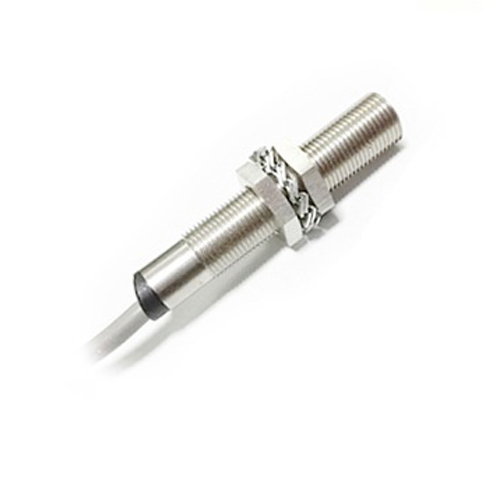
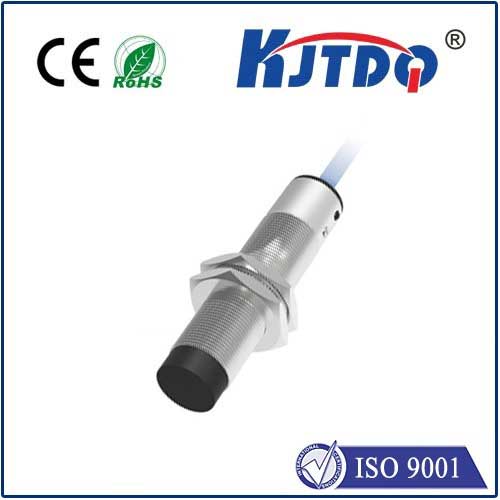
In the intricate world of industrial automation, precision, reliability, and adaptability are non-negotiable. At the heart of countless detection and control systems lies a critical component: the photoelectric sensor. Among the various configurations available, the DC 3-wire, 6-36V PNP, infrared (IR) photoelectric sensor switch stands out as a versatile and robust solution for a wide array of applications. This guide delves into the specifics of this sensor type, explaining its operation, key features, and practical uses, empowering you to make informed decisions for your automation projects.
Understanding the core specifications is the first step. "DC 3-wire 6-36V PNP IR" precisely defines the sensor's electrical and functional characteristics. It operates on a Direct Current (DC) power supply, with a broad voltage range from 6 to 36 volts. This wide range offers exceptional flexibility, allowing the same sensor model to be integrated into different control systems without requiring a specific, fixed voltage power source. The "3-wire" designation indicates the wiring configuration: one wire for power supply (V+), one for ground (0V), and one for the output signal. This is a standard and straightforward setup that simplifies installation and troubleshooting.
The "PNP" output type is a crucial differentiator. In a PNP (sourcing) sensor, the output wire acts as a positive switch. When the sensor is activated (e.g., detects an object), it switches the output line to connect to the positive supply voltage, sourcing current to the load (like a PLC input or a relay). This is a common configuration compatible with many programmable logic controllers (PLCs) and control circuits. The sensing technology employed is Infrared (IR) light. IR sensors use an invisible light beam, making them less susceptible to ambient visible light interference compared to visible red light sensors. They are excellent for detecting objects regardless of color, though highly reflective surfaces can sometimes pose a challenge that may require adjustment or a different sensing mode.
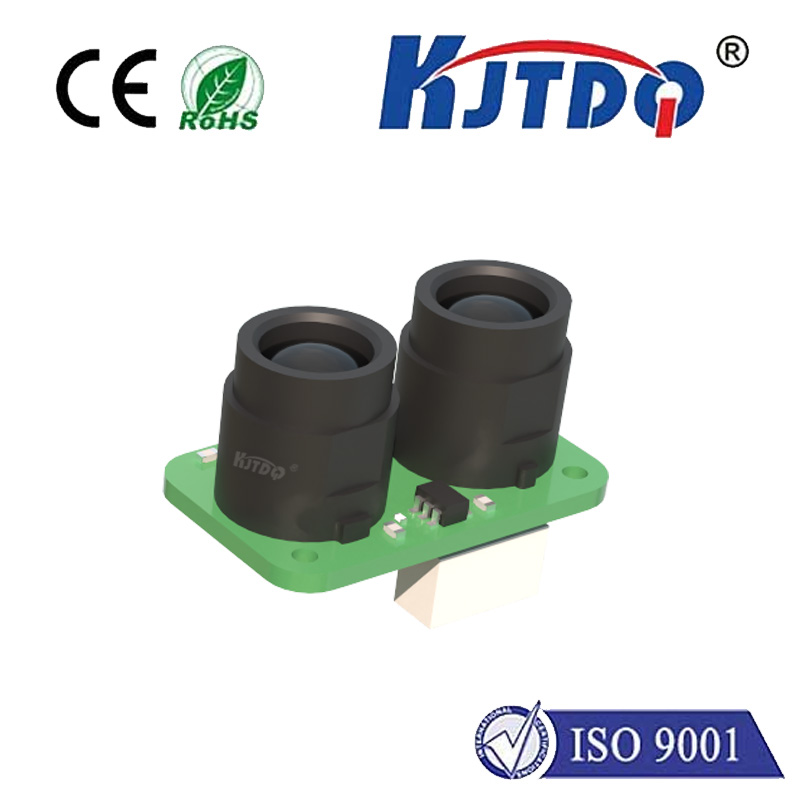
This sensor typically functions as a switch, providing a discrete on/off signal. The most common operating modes are through-beam, retro-reflective, and diffuse (proximity). In through-beam mode, the transmitter and receiver are separate units; an object is detected when it breaks the beam. This mode offers the longest sensing ranges and high reliability. Retro-reflective models use a single unit that emits IR light towards a reflector; detection occurs when the reflected beam is interrupted. Diffuse sensors detect objects by measuring the light reflected directly from the object itself, making them ideal for short-range applications without a separate reflector.
The practical benefits of this sensor specification are significant. The wide 6-36V DC range ensures compatibility and reduces inventory needs. The PNP output is widely accepted in industrial controls. The use of IR light enhances stability in environments with varying ambient light conditions. These sensors are workhorses in industries such as packaging, material handling, automotive assembly, and printing. They can count bottles on a conveyor, detect the presence of a box for filling, verify the position of a machine part, or act as a safety interlock.
When selecting and installing a DC 3-wire PNP IR photoelectric sensor, consider the sensing distance required, the size and material of the target objects, and the environmental conditions (dust, moisture, temperature). Proper alignment is key for through-beam and retro-reflective types. For wiring, always refer to the manufacturer's datasheet. Typically, the brown wire connects to V+, the blue wire to 0V, and the black wire is the PNP output signal. The load (e.g., PLC input) is connected between the black wire and 0V. Ensuring a stable power supply within the specified range is essential for consistent operation.
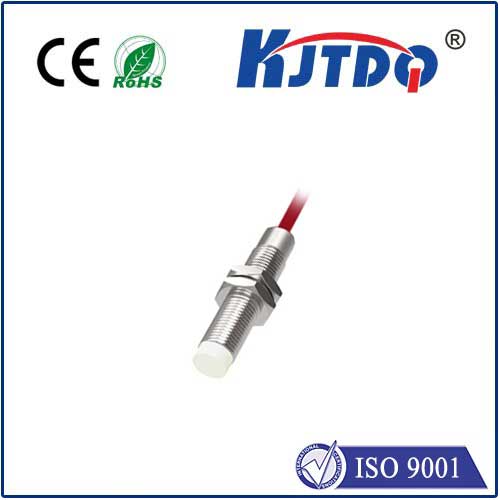
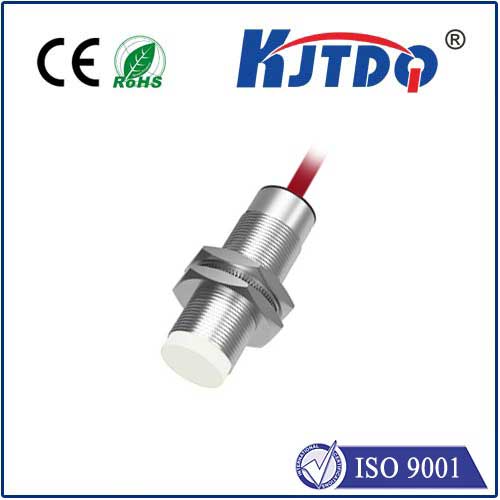
In conclusion, the KJTDQ DC 3-wire 6-36V PNP IR photoelectric sensor switch represents a fundamental and highly adaptable building block for modern automation. Its combination of a broad operating voltage, a standard PNP output, and reliable infrared sensing technology makes it a go-to choice for engineers and technicians seeking dependable object detection. By understanding its principles and applications, you can effectively leverage this technology to enhance the efficiency, safety, and intelligence of your automated systems.