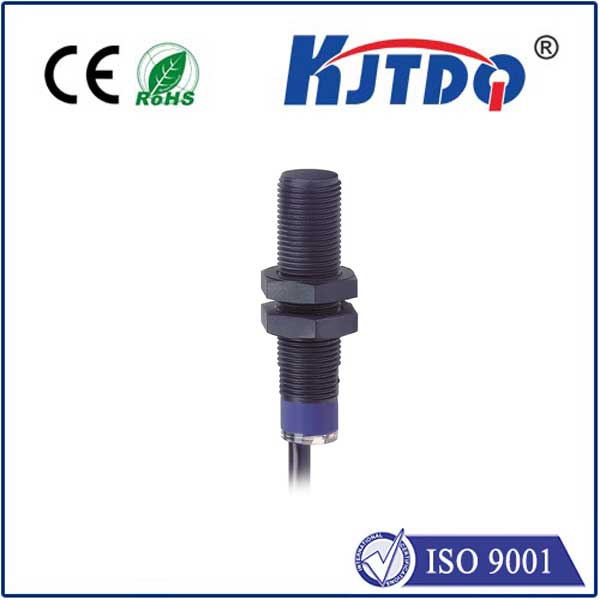
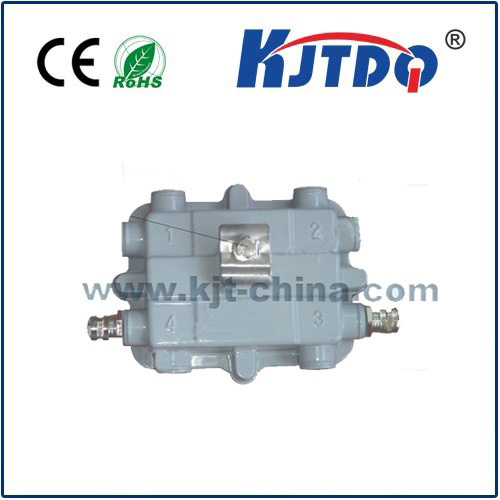
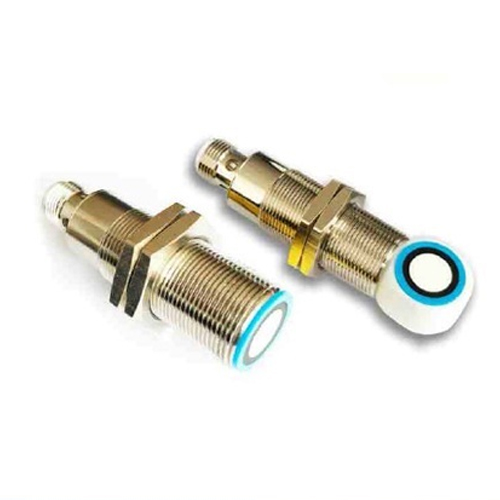
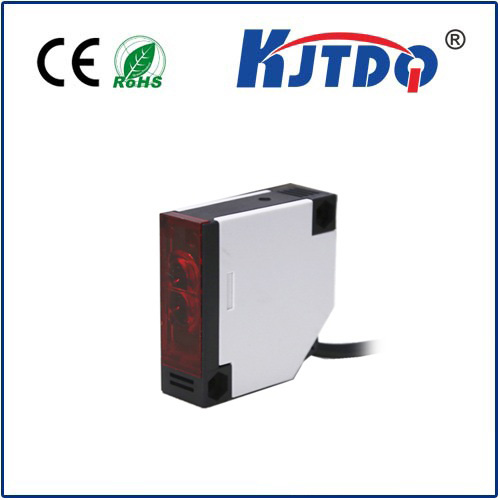
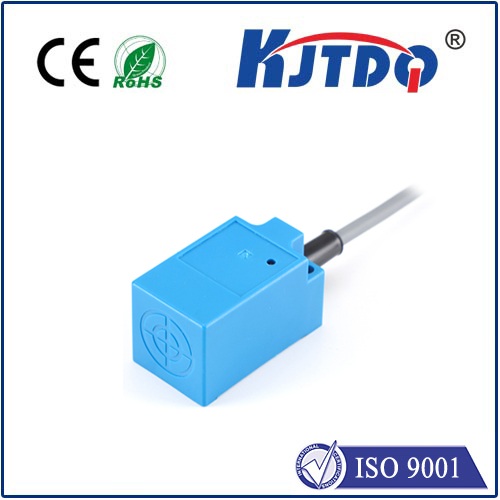
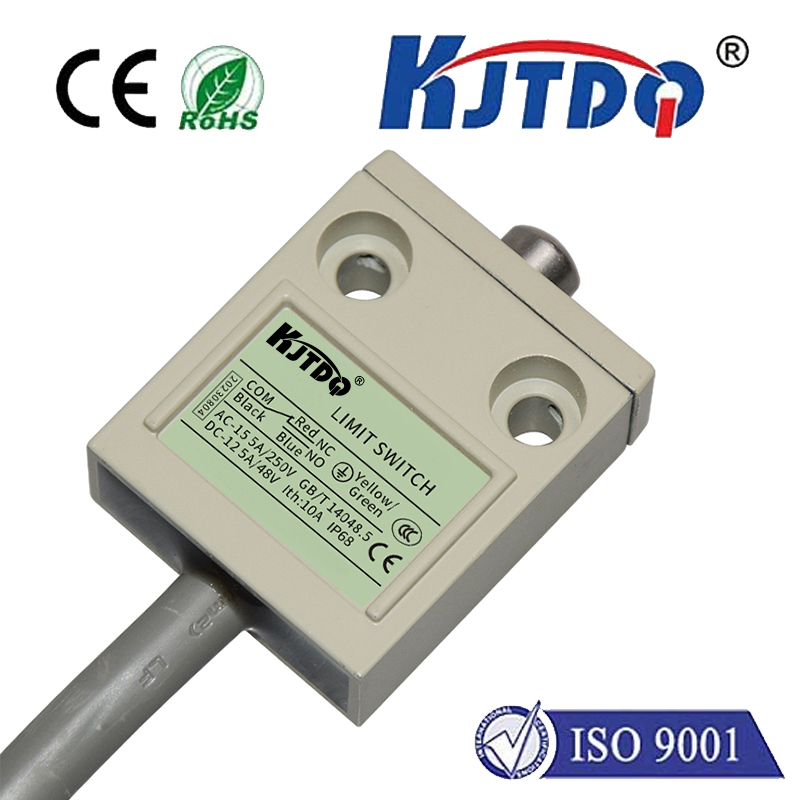
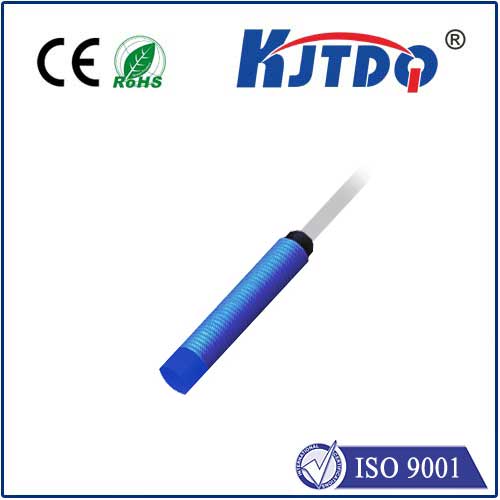
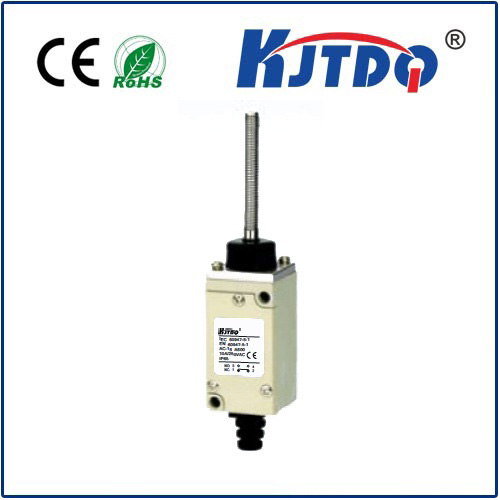
In the realm of modern vertical transportation, the reliability and safety of elevator systems are paramount. For Otis 2LS elevator models, a critical component driving this reliability is the advanced proximity sensor. This technology represents a significant leap forward from traditional mechanical systems, offering a non-contact method of detection that is both precise and durable. Unlike physical limit switches that can wear out or fail due to mechanical stress, proximity sensors for the Otis 2LS operate by emitting an electromagnetic field or a beam of electromagnetic radiation, typically infrared. When an object, such as the elevator car or a door, enters this field, the sensor detects the change and sends a signal to the control system. This seamless interaction is fundamental to numerous elevator functions.
The primary application of these sensors in the Otis 2LS is for precise door control and car positioning. As the elevator car approaches a landing, the proximity sensor ensures the doors open and close with exact timing, eliminating the jarring stops and starts associated with older systems. This not only enhances passenger comfort by providing a smoother ride but also significantly improves operational efficiency. The doors operate more swiftly and reliably, reducing the dwell time at each floor and optimizing traffic flow within a building. For building managers, this translates to energy savings and increased tenant satisfaction.
Safety is the non-negotiable cornerstone of elevator design, and the proximity sensor is a vital guardian. In the context of the Otis 2LS, these sensors are integral to the door safety system. They continuously monitor the door zone, detecting any obstruction during the closing cycle. If a passenger or object is sensed in the path of the closing doors, the system immediately commands the doors to reopen, preventing potential injury or entrapment. This feature, often part of a broader safety circuit, provides a critical layer of protection that mechanical safety edges alone cannot match in terms of sensitivity and speed of response.
Furthermore, the use of solid-state proximity sensors in the Otis 2LS contributes to remarkable maintenance advantages. With no moving parts to physically contact the detected object, these sensors are immune to the wear and tear that plagues mechanical switches. They are less susceptible to issues caused by dust, dirt, or minor misalignments, which are common in the demanding elevator shaft environment. This robustness leads to a dramatic reduction in unscheduled downtime and maintenance calls. Technicians benefit from more predictable service intervals and often simpler diagnostics, as many modern proximity sensors provide clear feedback signals.
The integration of these sensors also aligns with the trend towards smarter, IoT-ready buildings. Data from the proximity sensors on an Otis 2LS can be fed into building management systems, providing valuable insights into door operation cycles, traffic patterns, and potential pre-failure conditions. This predictive maintenance capability allows facility teams to address issues before they escalate into costly repairs or service disruptions, ensuring the elevator remains a dependable asset.
For owners and operators of buildings equipped with Otis 2LS elevators, upgrading to or maintaining high-quality proximity sensors is a strategic investment. It directly impacts the passenger experience through silent, smooth, and safe operation. It enhances the building's operational efficiency by ensuring reliable vertical transit. Most importantly, it upholds the highest standards of safety that passengers rightfully expect. As elevator technology continues to evolve, the role of the proximity sensor in systems like the Otis 2LS remains central, quietly and reliably forming the backbone of intelligent, safe, and efficient vertical mobility.