Проверка
Проверка
Проверка
Проверка
Проверка
Проверка
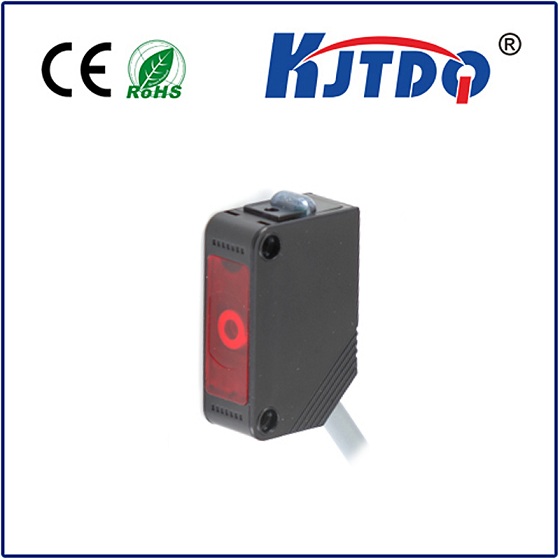
In the realm of modern electronics, the seamless interaction between users and their devices is often taken for granted. A critical component enabling this intuitive experience is the optical proximity sensor. This sophisticated technology operates by emitting an infrared light beam and measuring the intensity of the light reflected back to a receiver. When an object, typically a user's hand or face, comes within a specific range, the sensor detects the change in reflected light and triggers a predefined action. This fundamental principle powers some of the most common and convenient features in our daily tech.
Consider the smartphone experience. During a call, the screen automatically turns off when the device is held to the ear. This is not magic but the work of a miniature optical proximity sensor. By blanking the screen, it prevents accidental touch inputs and significantly conserves battery life. This same technology is integral to modern bezel-less displays, where it helps distinguish between intentional screen touches and inadvertent hand contacts near the edges. Beyond phones, optical proximity sensors are ubiquitous in tablets, laptops, and even smart home devices, where they enable features like automatic screen wake-up or sleep mode activation when a user approaches or walks away.
The advantages of optical proximity sensors are manifold. They offer non-contact detection, meaning no physical pressure is required, which enhances durability and user experience. Their response time is exceptionally fast, allowing for instantaneous reactions that feel natural. Furthermore, they are highly effective in differentiating between an object's presence and absence within a calibrated field, minimizing false triggers. Compared to some other sensing methods, optical variants can be more resilient to environmental factors like dust or moisture when properly sealed, and they consume relatively low power—a paramount concern for portable electronics.
The application landscape for this technology extends far beyond consumer gadgets. In industrial automation, optical proximity sensors are workhorses on assembly lines, detecting the presence or absence of components with high precision to ensure smooth manufacturing workflows. They are employed in robotics for obstacle detection and navigation, providing a simple yet effective means for machines to perceive their immediate surroundings. In the automotive sector, they contribute to safety and convenience systems, such as detecting a driver's presence in the seat or enabling touchless control panels to reduce distraction.
Looking ahead, the evolution of optical proximity sensing is intertwined with broader technological trends. Integration with ambient light sensors is common, allowing devices to adjust screen brightness based on both proximity and environmental lighting for optimal visibility and power efficiency. The push towards miniaturization continues, allowing these sensors to be embedded in ever-smaller form factors like wireless earbuds, where they manage play/pause functions when an earbud is removed from the ear. As the Internet of Things (IoT) expands, optical proximity sensors will play a crucial role in creating more context-aware and energy-efficient smart devices, from fixtures that turn on when you enter a room to appliances that enter standby mode when no one is nearby.
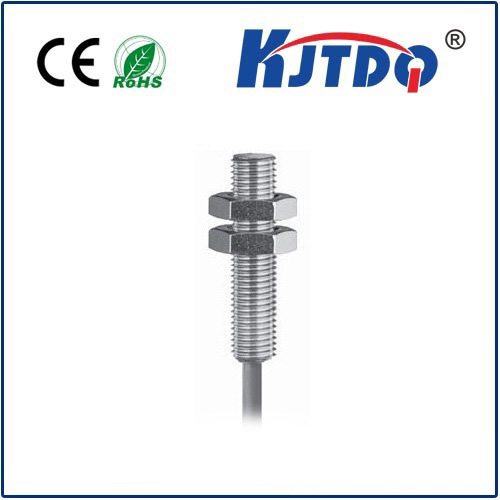
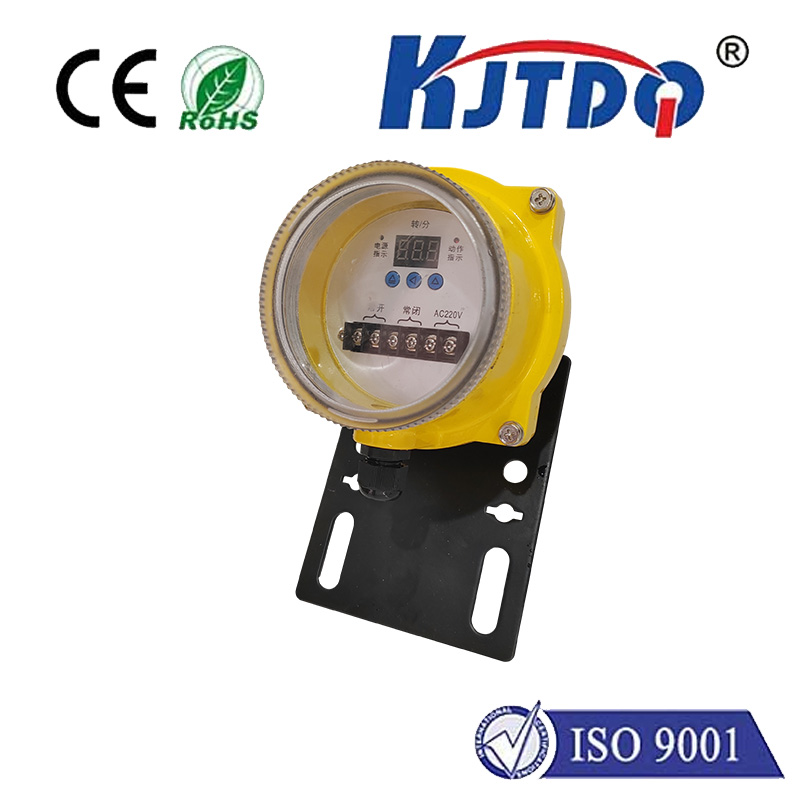
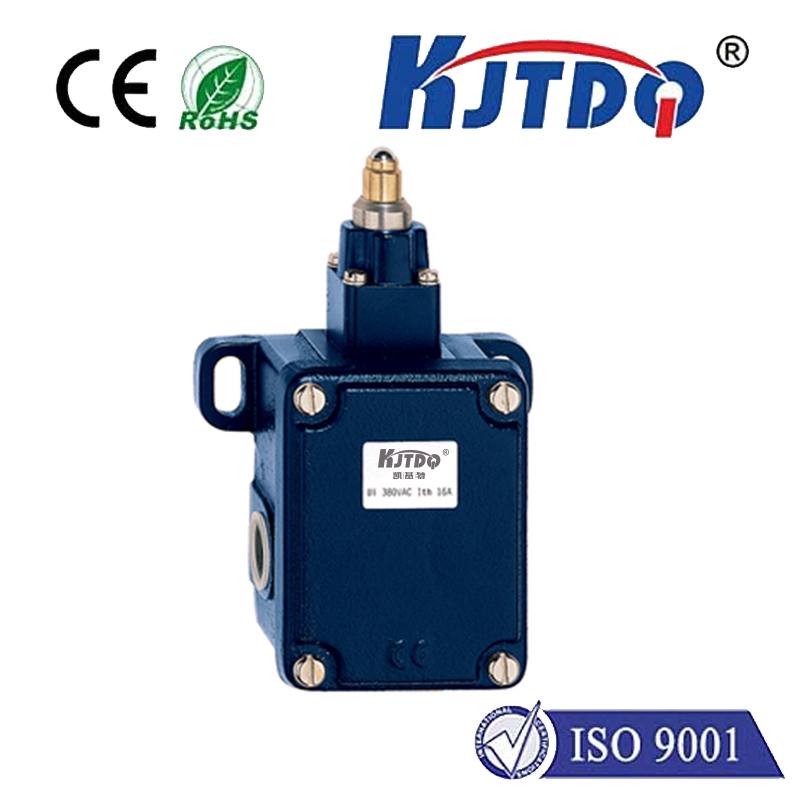
The development and refinement of optical proximity sensor technology, represented by components like the KJTDQ series, are pivotal in making our interactions with technology more fluid, efficient, and intelligent. By providing a reliable and invisible layer of awareness, these sensors bridge the gap between human intention and machine response, quietly powering the responsive world we interact with every day. Their continued advancement promises to unlock even more intuitive and hands-free control paradigms across all facets of digital life.