Проверка
Проверка
Проверка
Проверка
Проверка
Проверка
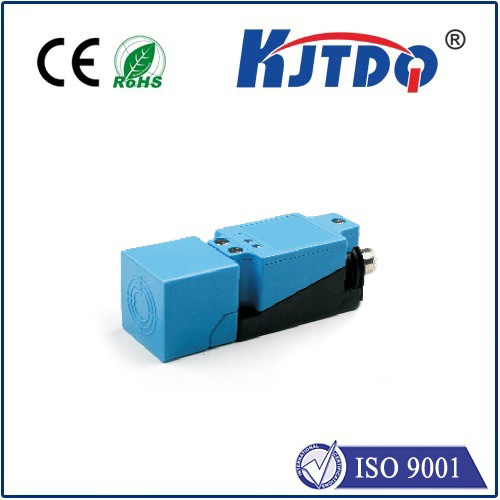
In the world of industrial automation and machinery, precision and reliability are non-negotiable. The quest for a sensor that offers consistent long-range detection without fail leads us to a specific solution: the proximity switch sensor with a 30cm sensing range and an NPN output configuration. This isn't just another component; it's a critical piece of technology designed to enhance safety, efficiency, and operational continuity in demanding environments.
Understanding the core specifications is key. A "30cm" range signifies a substantial sensing distance, allowing for greater flexibility in machine design and material handling. It enables the detection of objects from a safer, more practical distance, reducing the risk of physical contact and potential damage. This is particularly valuable in applications involving large pallets, bins, or automated guided vehicles (AGVs) where early detection is crucial for smooth operation. The term "NPN" refers to the transistor output type. In an NPN sensor, the output wire acts as a switch to ground (negative voltage) when an object is detected. This is a widely used and compatible configuration, especially common in PLC (Programmable Logic Controller) systems across many regions. It means when the sensor is active, it connects the load to ground, completing the circuit and sending a clear signal to the control system.
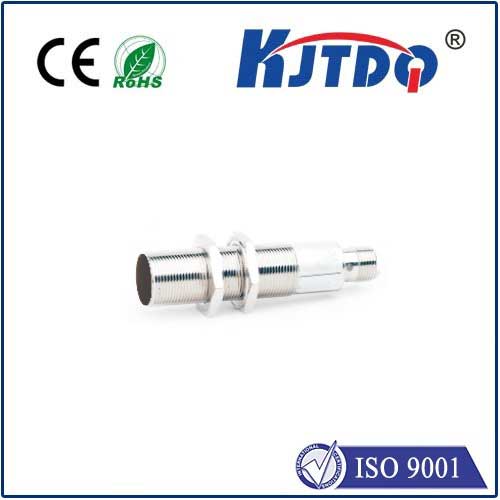
So, where does this specific sensor excel? Its application is vast. Imagine a conveyor belt system in a packaging plant. A 30cm NPN proximity sensor can reliably detect the approach of a large box, triggering a sorting mechanism well in advance, preventing jams and ensuring seamless flow. In automotive assembly lines, it can be used to verify the presence of a car chassis at a specific station before robots begin welding, adding a critical layer of process verification. For automated storage and retrieval systems (AS/RS), these sensors are indispensable for positioning tall racks or detecting the presence of storage bins with precision, thanks to the generous sensing range. The robust nature of typical inductive proximity switches, often housed in metal casings, makes them resistant to dust, moisture, and vibration—common challenges in industrial settings.
Choosing the right sensor involves more than just range and output. While the 30cm NPN specification is vital, considerations around the sensing object material (best for metals with inductive types), the housing material (like nickel-plated brass or stainless steel for durability), and electrical requirements (operating voltage, current consumption) are equally important. Installation is typically straightforward, but attention must be paid to proper mounting, ensuring no interference from surrounding metal (maintaining the correct "flush mount" or "non-flush mount" distance as per manual), and correct wiring. The brown wire is usually for positive DC voltage, the blue for negative or ground, and the black wire is the NPN output signal wire. Always consult the specific datasheet for the KJTDQ model or equivalent.
The benefits of implementing such a targeted solution are clear. It translates to fewer false triggers and missed detections, minimizing costly downtime. The long range provides a safety buffer, protecting both machinery and products. Furthermore, the standardized NPN output ensures easy integration into existing control architectures without the need for complex interfaces or additional modules. This reliability fosters smoother automation cycles, better inventory management through precise detection, and ultimately, a stronger bottom line through improved operational efficiency.
In conclusion, a proximity switch sensor defined by a 30cm range and NPN output represents a strategic choice for engineers and system integrators. It fills a specific niche that demands dependable long-distance detection within a standard electrical framework. For applications ranging from logistics and material handling to heavy machinery and automated manufacturing, this sensor is not merely a part; it is a pillar of reliable, non-contact operation. When selecting your next sensor, focusing on these precise parameters—30cm and NPN—can be the decisive factor in building a system that is both robust and responsive, day in and day out.