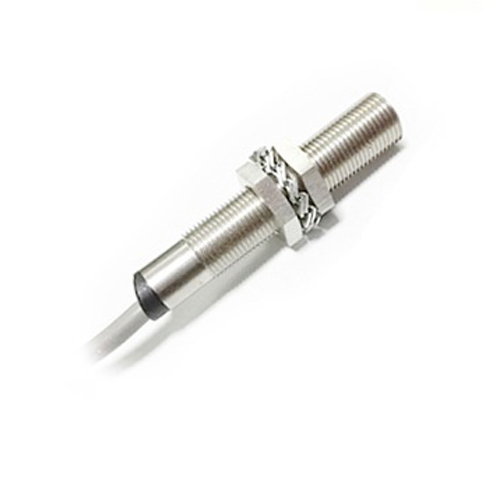
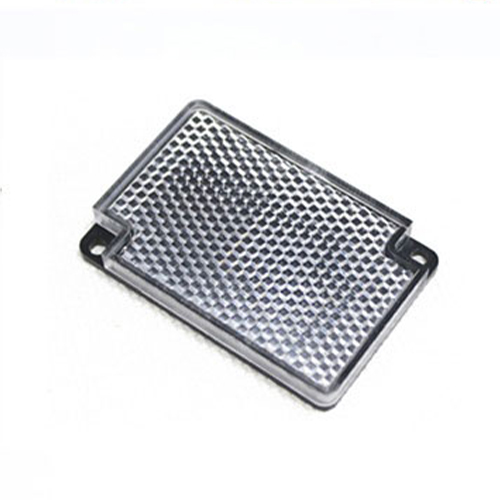
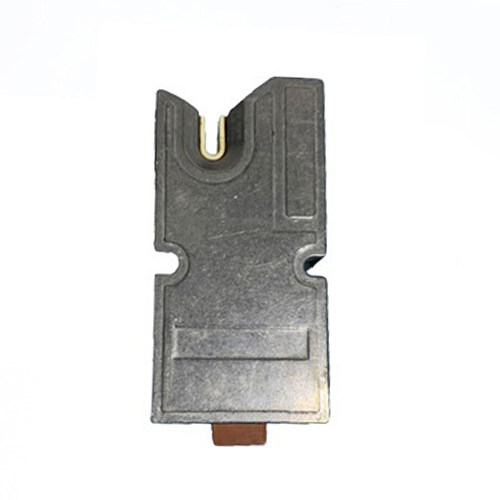
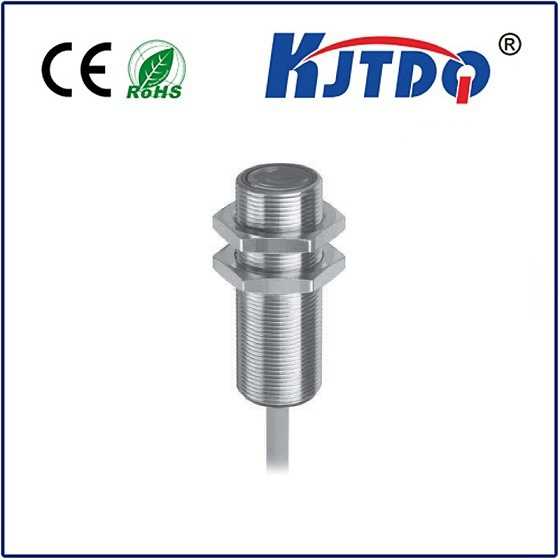
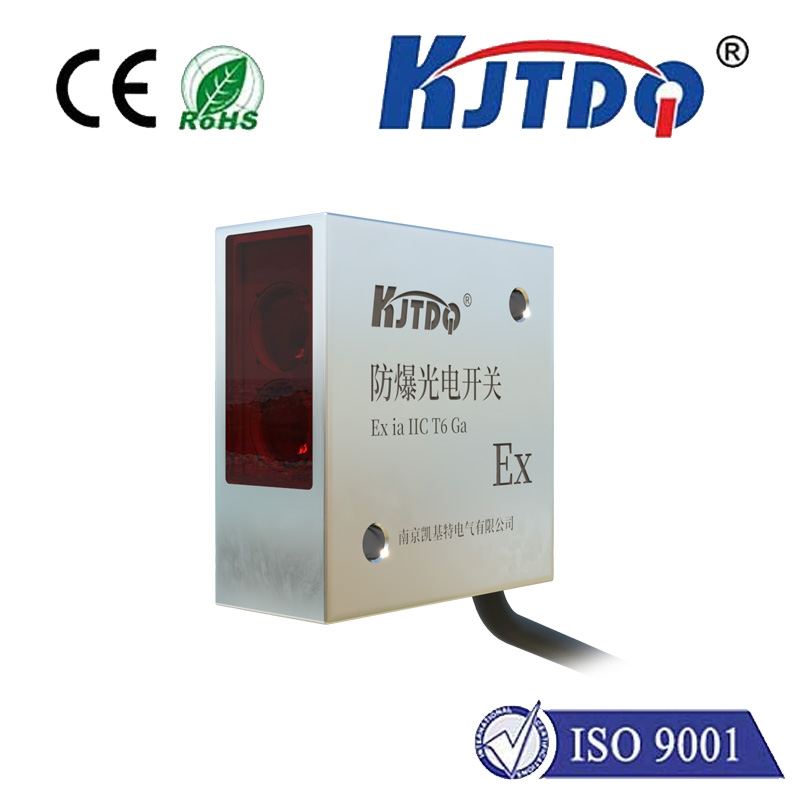
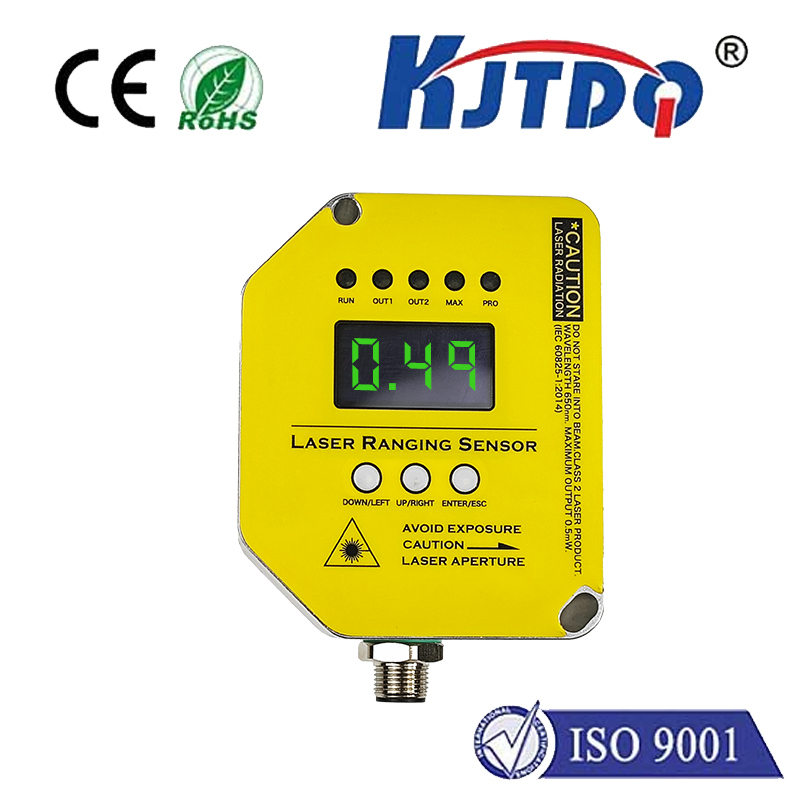
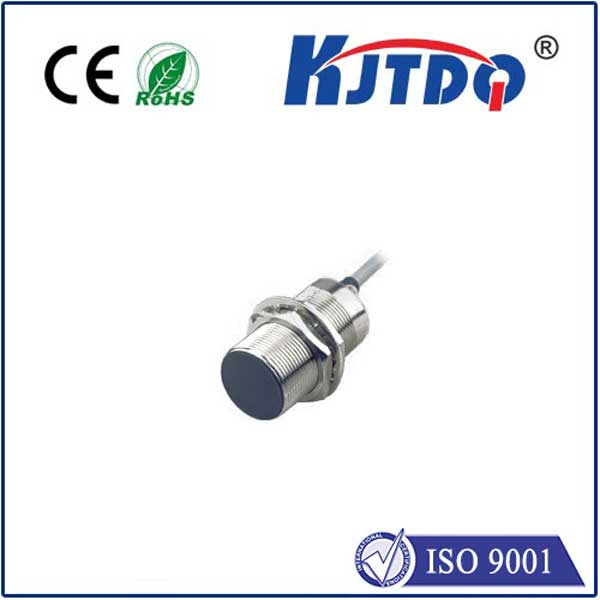
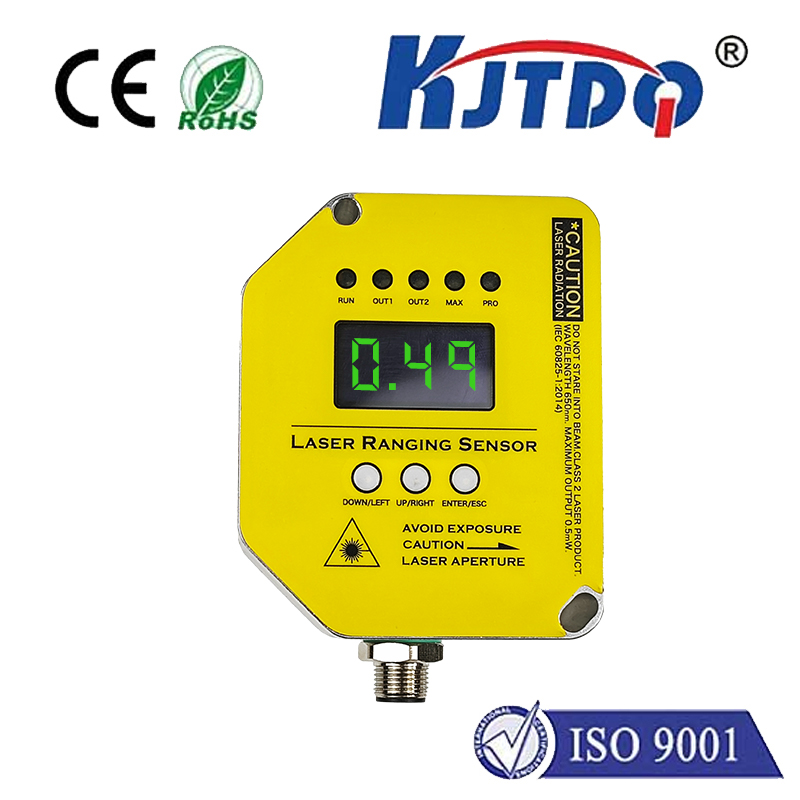
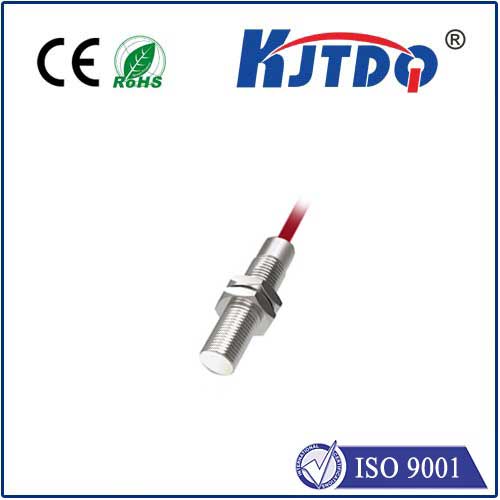
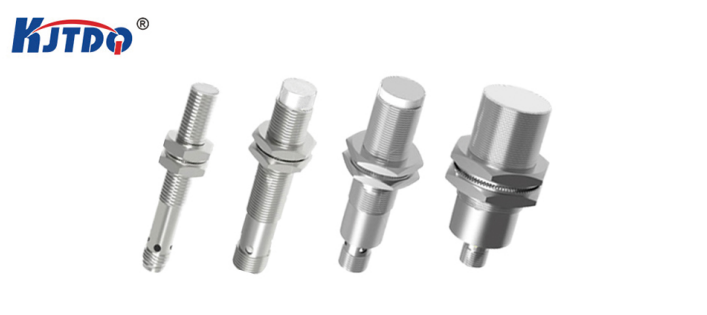
In the rapidly evolving landscape of industrial automation, precision, reliability, and durability are non-negotiable. The KJTDQ QS30LVQ photoelectric switch stands as a testament to engineering excellence, designed to meet the rigorous demands of modern manufacturing, packaging, and material handling systems. This advanced sensor technology offers a robust solution for non-contact object detection, ensuring seamless operations and minimizing downtime.
At its core, the QS30LVQ utilizes a modulated infrared LED light source and a sophisticated receiver to detect the presence or absence of objects. Its through-beam sensing method, where the emitter and receiver are separate units, provides one of the longest sensing ranges and highest levels of accuracy in its class. This makes it exceptionally suitable for applications requiring detection over considerable distances or in environments with potential interference. The housing is typically constructed from high-grade, nickel-plated brass or stainless steel, offering exceptional resistance to corrosion, impacts, and harsh industrial conditions, including exposure to coolants, oils, and dust.
A key feature of the KJTDQ QS30LVQ is its focused, precise sensing beam. This design minimizes the effects of background interference and allows for the reliable detection of small or transparent objects that might challenge other sensor types. Many models come equipped with a visible red or green beam indicator, greatly simplifying alignment during installation and setup, which reduces commissioning time and potential errors. The switch offers both light-on and dark-on operation modes, providing flexibility to integrate into various control logic systems. Output options commonly include NPN or PNP transistor configurations, compatible with standard programmable logic controllers (PLCs) and industrial control circuits.
The operational benefits of integrating the QS30LVQ into your systems are substantial. Its high switching speed and repeat accuracy contribute to increased production line throughput and consistency. By providing a non-contact method of detection, it eliminates mechanical wear and tear associated with limit switches, leading to significantly lower maintenance costs and extended service life. This reliability is crucial for continuous operation facilities where unplanned stoppages can result in substantial financial losses.
Practical applications for the KJTDQ QS30LVQ photoelectric switch are vast and varied. In packaging machinery, it ensures precise carton counting and product positioning. On assembly lines, it verifies component presence and controls robotic pick-and-place operations. Within the automotive industry, it is used for part verification and conveyor control. It also plays a vital role in warehouse automation, managing inventory on high-speed sorting systems and ensuring palletizing accuracy. Its robust construction allows it to perform consistently in challenging environments like woodworking, metalworking, and food processing plants.
When selecting a photoelectric switch, considerations such as sensing range, environmental resistance, response time, and output type are paramount. The QS30LVQ series is designed with these factors in mind, offering a range of specifications to match specific application needs. Proper installation is also critical; ensuring a clean lens, stable mounting, and correct alignment are essential steps to achieve optimal performance. Regular maintenance, primarily involving lens cleaning to prevent buildup from dust or grime, will guarantee long-term reliability.
For system integrators, maintenance engineers, and plant managers seeking to enhance operational efficiency and reliability, the KJTDQ QS30LVQ presents a compelling choice. It represents more than just a component; it is a strategic investment in the stability and productivity of your automated processes. By choosing a sensor known for its precision and ruggedness, you invest in reducing waste, improving product quality, and safeguarding your production output. Explore the specifications and discover how this photoelectric switch can be the reliable eye of your automation system, delivering unwavering performance shift after shift.