Проверка
Проверка
Проверка
Проверка
Проверка
Проверка
In the rapidly evolving landscape of industrial automation and smart technology, the demand for accurate, reliable, and versatile sensing solutions has never been greater. Among the array of advanced components driving this progress, the double distance proximity sensor stands out as a critical innovation. This sophisticated device is engineered to detect the presence or absence of objects at two distinct, predefined ranges, offering a dual-layer of monitoring capability within a single compact unit. Unlike traditional single-range sensors, this technology provides enhanced operational intelligence, enabling more complex control logic and safety protocols without the need for multiple sensor installations.
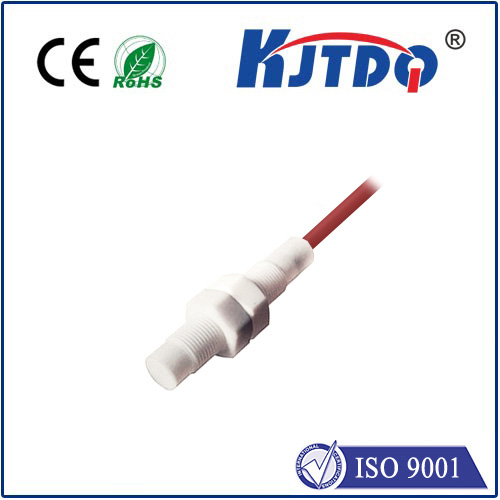
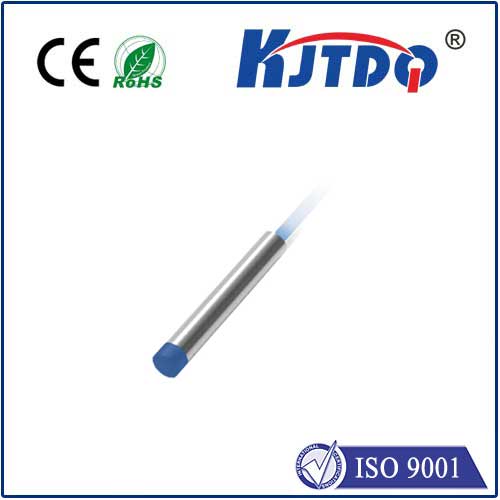
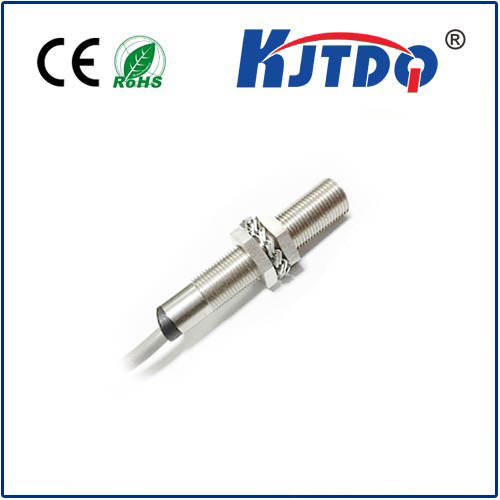
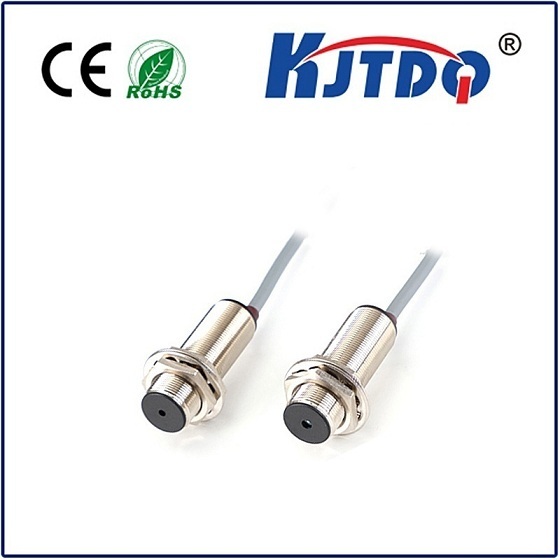
The core functionality of a double distance proximity sensor hinges on its ability to measure distance through non-contact means, typically using inductive, capacitive, or ultrasonic principles. For instance, an inductive variant is ideal for metallic targets, emitting an electromagnetic field and detecting changes caused by an object's intrusion. The key differentiator is its programmed capability to recognize two specific threshold distances. In a practical application, such as a robotic assembly line, the first, longer detection distance might trigger a preparatory signal—like slowing down a robotic arm. The second, shorter distance could then initiate the precise gripping or placement action. This two-stage process minimizes collision risks, reduces mechanical stress, and optimizes cycle times, leading to significant gains in both efficiency and equipment longevity.
The advantages of integrating such a sensor are manifold. Primarily, it consolidates functionality, reducing the hardware footprint, wiring complexity, and overall system cost. In automated guided vehicles (AGVs), for example, a single double distance sensor can manage both obstacle avoidance at a medium range and precise docking at a close range. Furthermore, it enhances safety in collaborative robot (cobot) environments by establishing a warning zone and an immediate stop zone around the robot's working perimeter. This dual-threshold design is also invaluable in packaging machinery, where it can differentiate between the presence of a single product and a stacked double, preventing jams and ensuring consistent quality control.
Beyond heavy industry, these sensors find applications in consumer electronics, automotive systems, and building automation. In modern vehicles, they can contribute to advanced parking assistance systems, providing nuanced feedback for different proximity levels to obstacles. Their robustness, often featuring high ingress protection (IP) ratings against dust and moisture, ensures reliable performance in challenging environments. When selecting a double distance proximity sensor, engineers must consider factors such as the sensing technology (inductive for metals, capacitive for non-metals, ultrasonic for varied materials), the specific detection ranges required, response time, output type (e.g., analog voltage, current, or discrete PNP/NPN signals), and environmental conditions.
Implementation requires careful calibration and integration with programmable logic controllers (PLCs) or microcontrollers. The setup involves defining the two operational thresholds, often through teach-in functions or software configuration. Proper alignment and mounting are crucial to avoid false triggers from background interference. As Industry 4.0 and the Internet of Things (IoT) continue to mature, these sensors are increasingly equipped with digital interfaces like IO-Link, enabling real-time data exchange, remote diagnostics, and predictive maintenance capabilities. This connectivity transforms them from simple switches into intelligent nodes within a larger data-driven ecosystem.
In conclusion, the double distance proximity sensor represents a significant leap forward in sensing technology. By offering dual-range detection in one device, it delivers unparalleled precision, flexibility, and cost-effectiveness for modern automated systems. Its role is pivotal in creating smarter, safer, and more efficient operations across manufacturing, logistics, and beyond. As automation challenges grow more complex, the nuanced feedback provided by such advanced sensors will be indispensable in building the responsive and intelligent systems of the future.