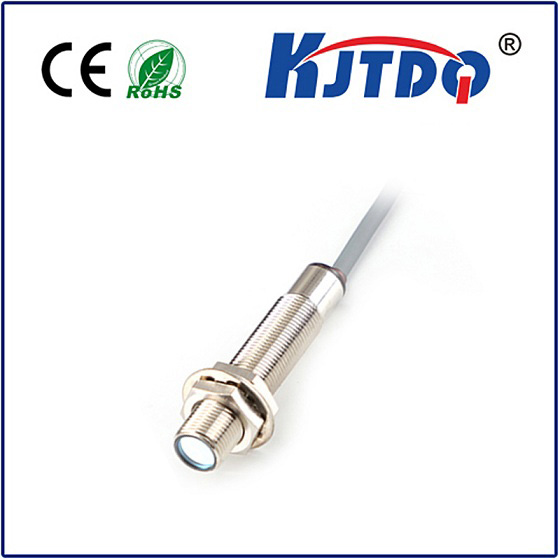
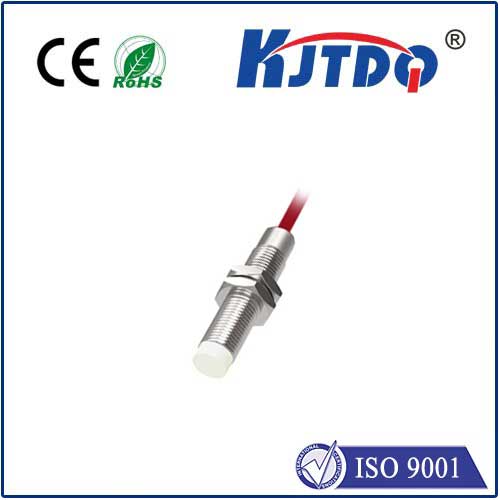
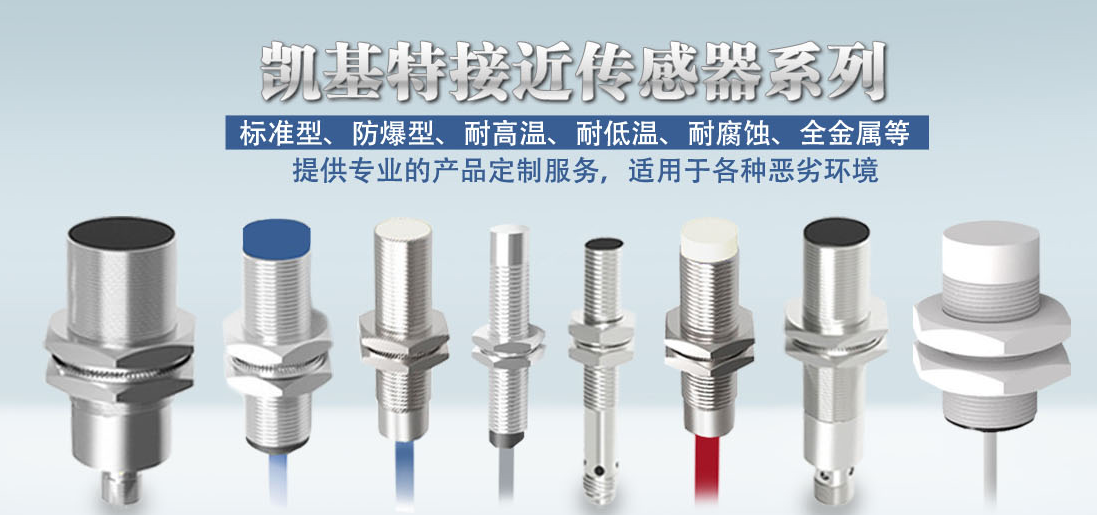
In the rapidly evolving landscape of industrial automation, the demand for sensors that can withstand harsh environments while delivering precise, reliable data has never been higher. Enter the PTFE proximity sensor, a technological marvel that is setting new standards for performance in challenging applications. Unlike traditional sensors that may falter under extreme conditions, PTFE proximity sensors leverage the unique properties of Polytetrafluoroethylene to offer an unparalleled combination of chemical resistance, thermal stability, and non-stick characteristics.
The core of this innovation lies in the sensor's construction. PTFE, commonly known by the brand name Teflon®, is renowned for its inert nature. It is virtually unaffected by aggressive chemicals, solvents, and acids that would quickly degrade other materials. This makes PTFE proximity sensors ideal for use in industries such as chemical processing, pharmaceutical manufacturing, and food and beverage production, where equipment is regularly exposed to corrosive substances. Furthermore, PTFE maintains its structural integrity across a wide temperature range, from cryogenic levels up to 260°C (500°F), ensuring consistent operation whether in a freezing cold storage facility or a high-temperature production line.
Another critical advantage is the material's inherent non-stick and low-friction properties. In environments where sticky materials, slurries, or powders are present, traditional sensor faces can become coated, leading to false readings or complete failure. The slick surface of a PTFE proximity sensor prevents material buildup, guaranteeing that the sensing face remains clean and fully functional. This translates to significantly reduced maintenance downtime, lower cleaning costs, and enhanced process reliability. Operators can trust that the sensor will perform its detection tasks without interruption, whether it's monitoring the level of viscous adhesive, detecting the presence of a wet bottle on a filling line, or ensuring proper positioning of components in a dusty machining center.
Precision is not sacrificed for durability. Modern PTFE proximity sensors incorporate advanced sensing technologies, such as high-frequency oscillation or capacitive principles, to provide accurate and repeatable detection of both metallic and non-metallic objects. Their robust housing, often rated at IP67 or higher, protects the internal electronics from water, dust, and physical impacts. This ruggedness extends the sensor's operational lifespan far beyond that of standard models, delivering a superior return on investment by minimizing replacement frequency and unplanned stoppages.
The integration of PTFE proximity sensors into automated systems is straightforward, thanks to standardized output signals and mounting options. They seamlessly connect with PLCs (Programmable Logic Controllers) and other control systems, providing the critical data needed for precise machine control, quality assurance, and safety interlocking. From ensuring a robotic arm picks up the correct part to verifying that a tank is not overfilled, these sensors act as the reliable "eyes" of the operation.
As industries continue to push the boundaries of efficiency and tackle more complex processes in severe environments, the role of specialized components becomes paramount. The PTFE proximity sensor represents a direct response to this need, offering a solution that eliminates common failure points associated with sensor performance. It empowers engineers and plant managers to design more resilient and dependable automation systems. By choosing a sensor encapsulated in PTFE, companies are not just purchasing a component; they are investing in uninterrupted productivity, reduced operational costs, and long-term system integrity. This technology is not merely an incremental improvement but a fundamental upgrade for any application where reliability under duress is non-negotiable.